Header Photo by Roman Dial


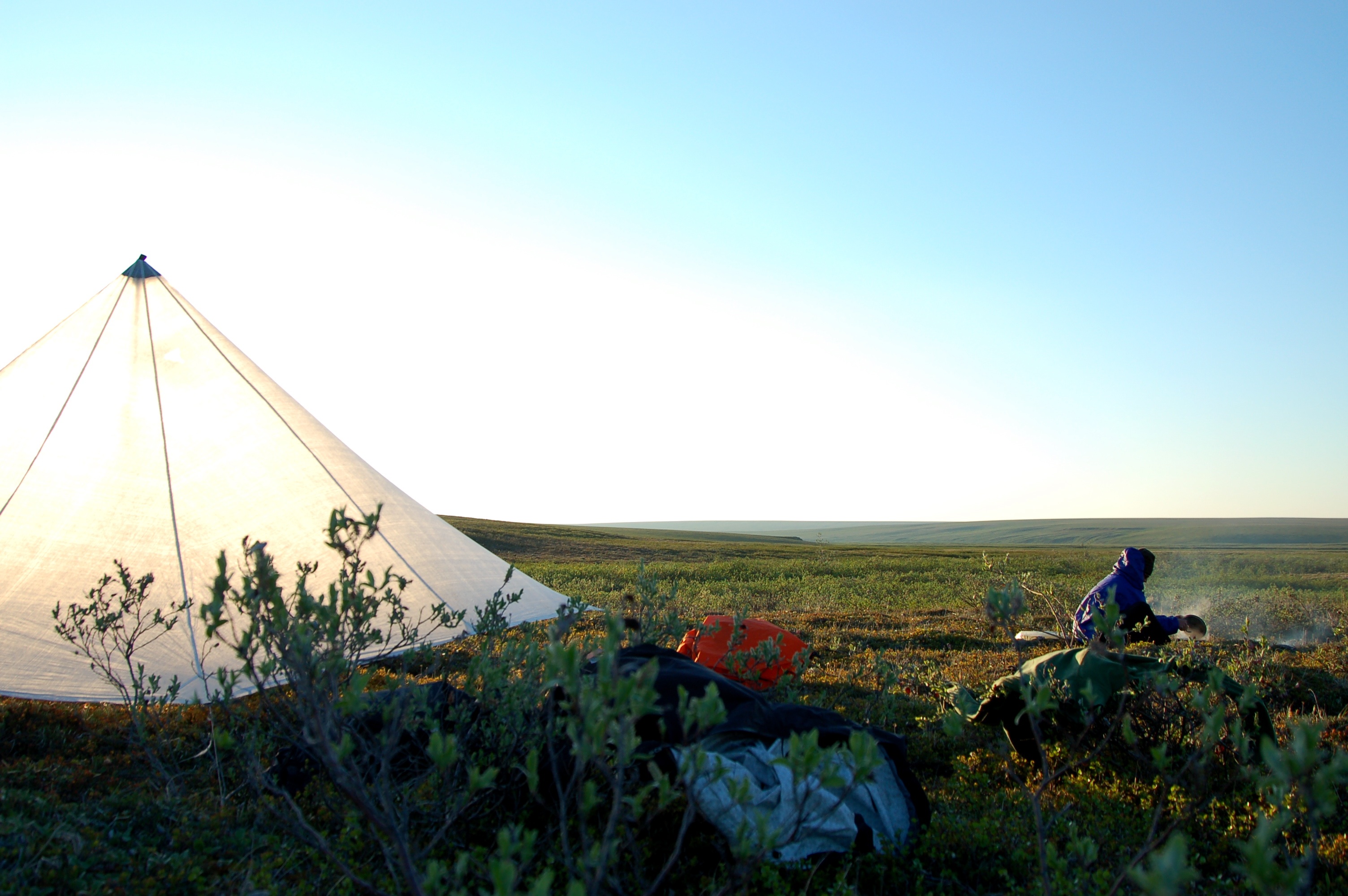
Photo taken during Roman’s 600 mile unsupported trek across Alaska.

Cuben Fiber Alphamid TM and Pyramid.

Photos used with permission.

Here is what Roman had to say about the tent

"Hi, I just wanted to tell you that the Cuben Fiber Mid you made up
for our Arctic 1000 perfomed splendidly. It held up in wind and rain and was
superlight, dry, and warm. I have been using this style of tent since the mid
1980's, both stock manufactured and custom designs and this was the lightest
and most beautiful of them all. Well done."

2 Comments

Filed under Oware Backpacking Gear

Vapor Barrier Liners, More


Just before Goretex burst on the scene, VBL’s
were more popular as they greatly enhanced the
usefulness of coated fabric rain gear etc. The most
popular undergarment of the time was the large
opening cotton string shirt. This worked really well
as it kept the VBL far from the skin but didn’t
have a lot of fabric for absorbtion. Even better
were the expensive wool versions.

One combination I have used with success is a half
bag of silnylon for the legs and waist when sleeping
combined with a VBL jacket. This way your feet
stay warmer than using VBL pants as heat from your legs can more easily reach them. It also can
double as a pack liner.
The jacket can be worn during the day and with the advantage of enabling you to layer coats over the top of the VBL for both sleeping and hiking.
I have found that a VBL jacket over long johns was comfortable with no noticable moisture buildup when hiking in sub zero weather
and balancing my outer layers
to keep from overheating.

Climbers on Denali wear
VBL vests under down gear when climbing to keep
their insulation layers dry next to their backs.

Leave a comment

Filed under Oware Backpacking Gear, Tips for the Backcountry

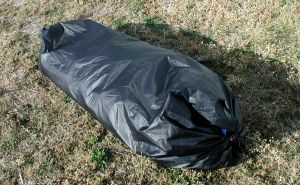
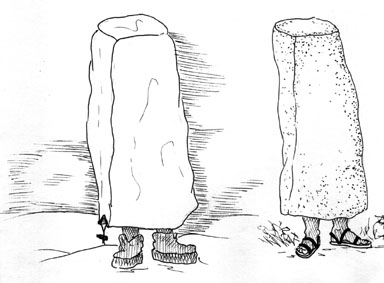
Elephant’s foot sleeping bag Vapor Barrier Liners


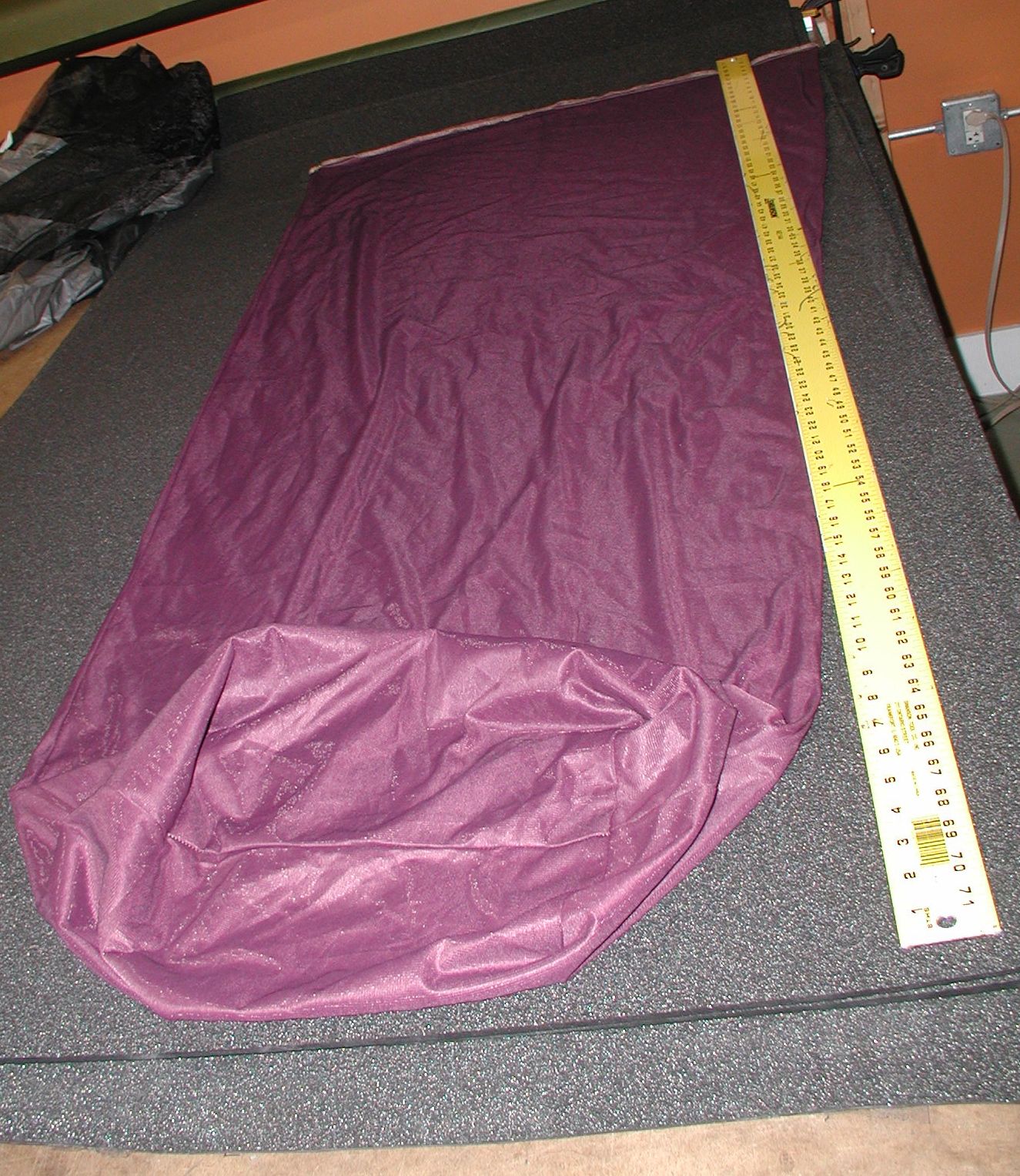
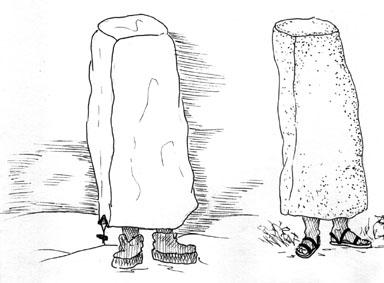
Been curious about using a VBL (vapor barrier liner)? Here is an inexpensive and light way to learn about their advantages.

Bring this shorty VBL on your next cold weather trip. At night use it inside your sleeping bag to add warmth.

For cold conditions, wear over long underwear and inside sleeping bag to retain heat and limit insensible perspiration. This will keep your sleeping bag dryer, hence lighter and warmer and also reduce the amount of fluids lost by the body at night, so you have to drink less (melt less snow too). Especially good on extended trips where it is difficult to dry the sleeping bag each day. Also carried by mountaineers and search and rescue team members for quick emergency shelter ( it slows heat loss due to evaporation, convection and radiation).

Possible other uses include slowing heat loss in emersion cases, as a wind sock for helicopter evacuations, as a pack liner, as a solar still, or to keep your bottom half out of wind and weather when on a stand or bivy ledge. Very compact and light. Folds to fist size.

This version is a half bag, just 52″ long.  Made of silicone coated 30d nylon it is sturdier than a trash bag, plastic or mylar versions. Weighs under 4 ounces so there is no great weight penalty to bring it along and in fact your sleeping bag will not pick up as much condensation weight over time. And with a half bag, you can still wear an insulated coat on your top half. Just snug the elastic cord around your waist. Your feet will get warm air flow too, unlike  socks which isolate the feet.

Custom sizes available.

Made in the USA of USA fabric.

Colors, black, blaze orange, olive, silver

Leave a comment

Filed under Oware Backpacking Gear, sleeping bag liners

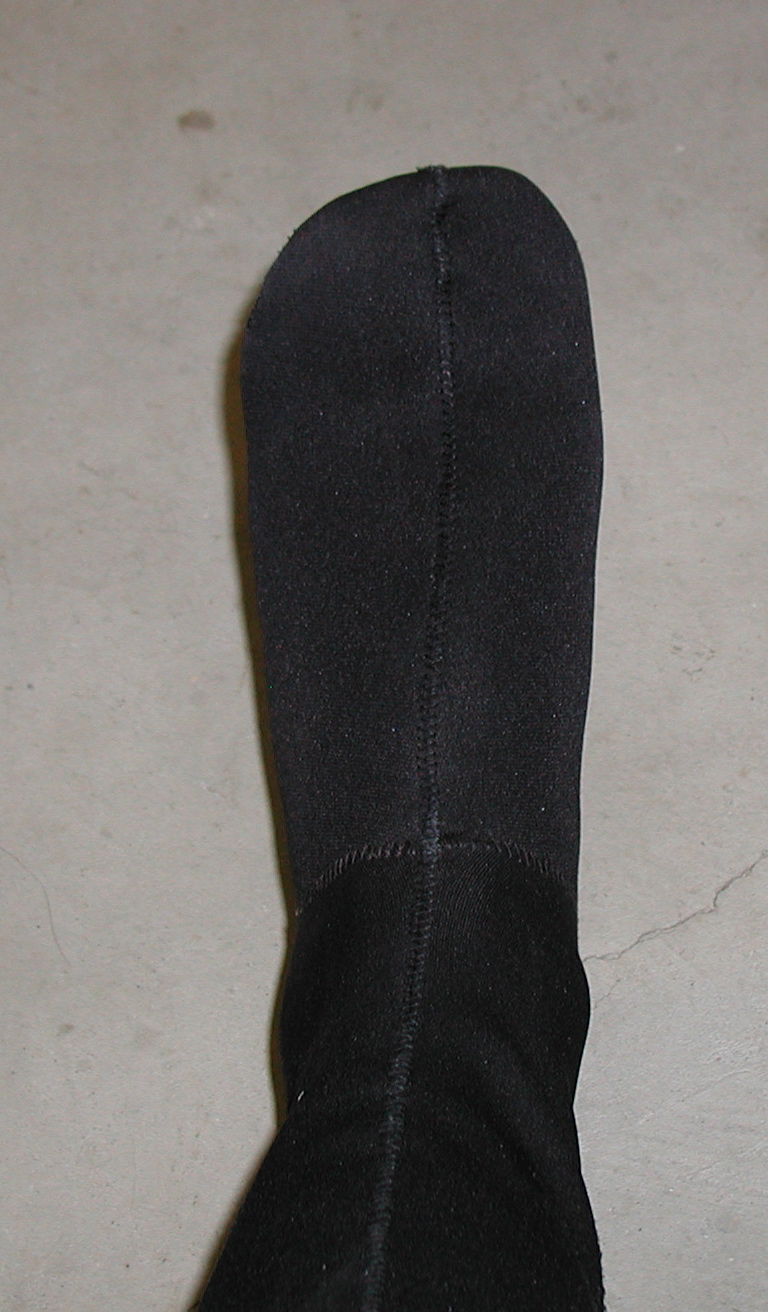
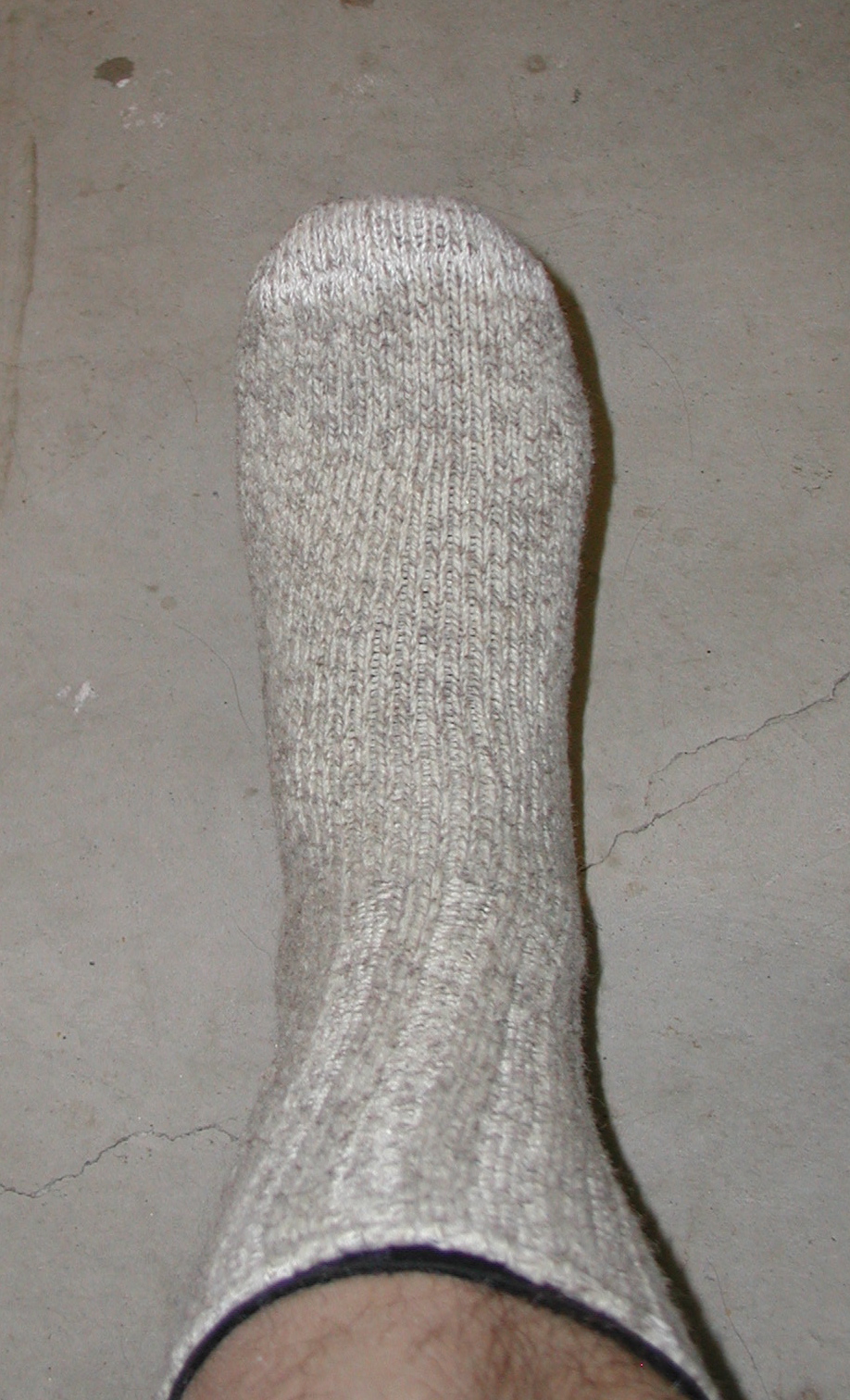
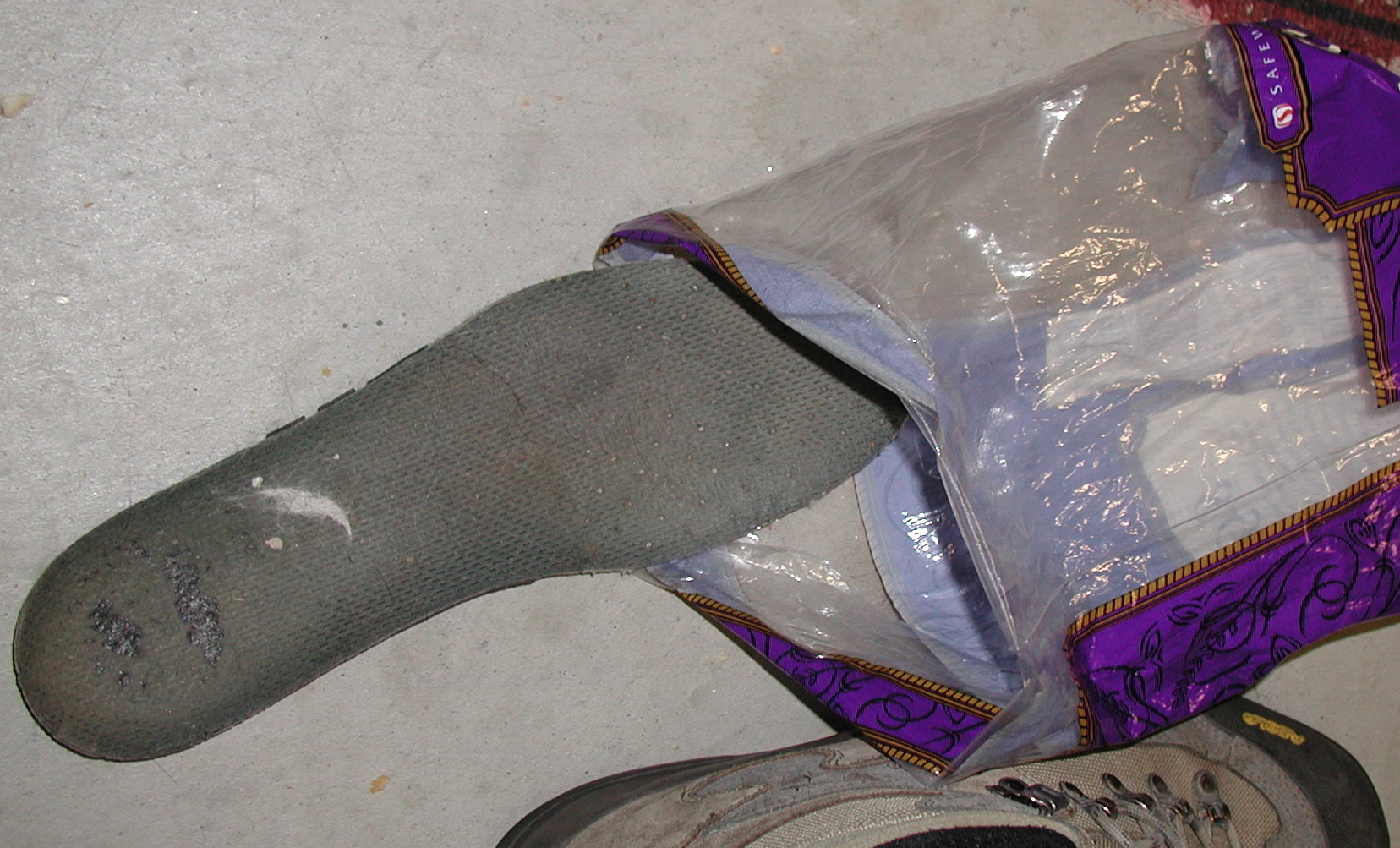
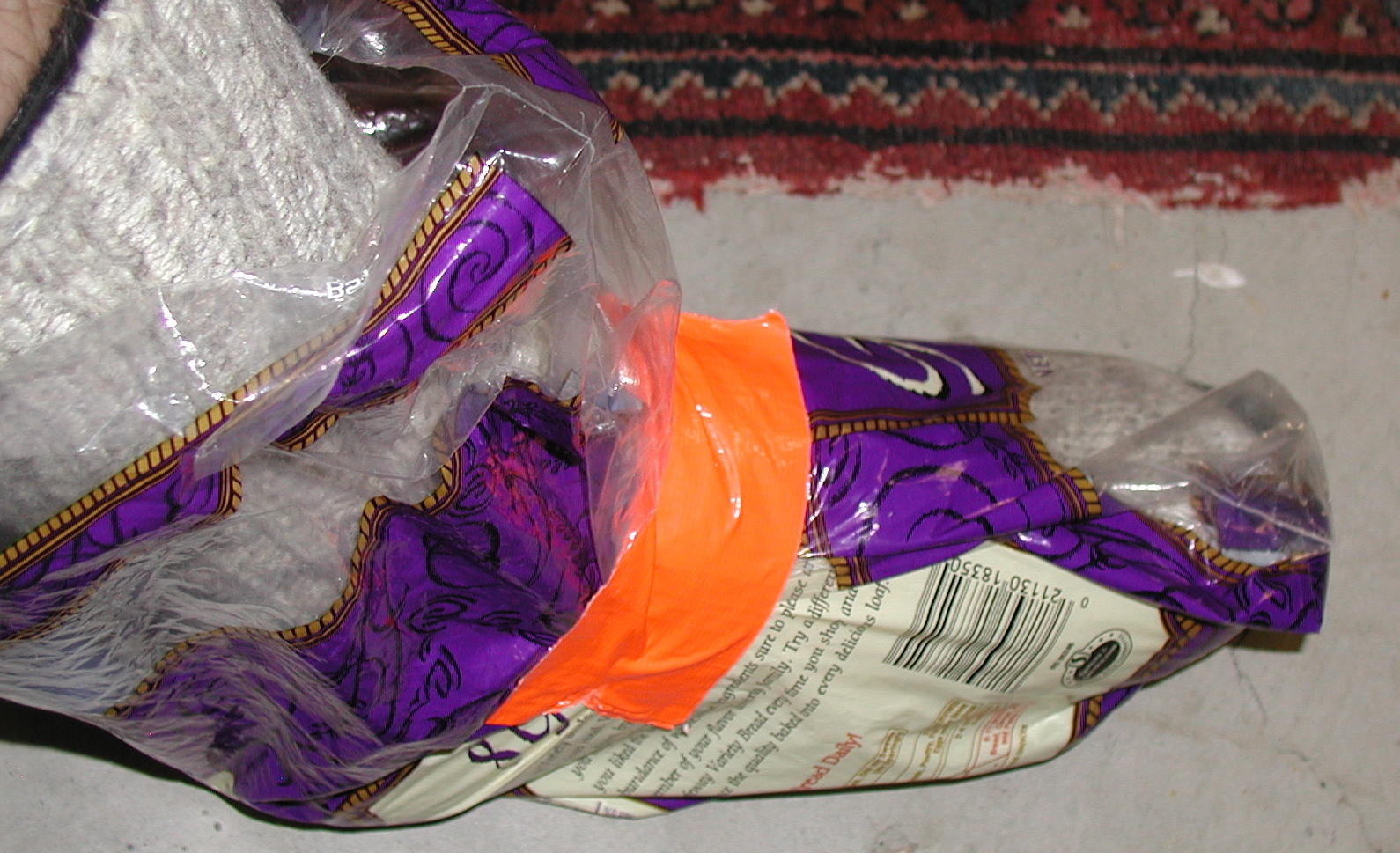
Using light boots in the snow and wet, Vapor Barrier Socks


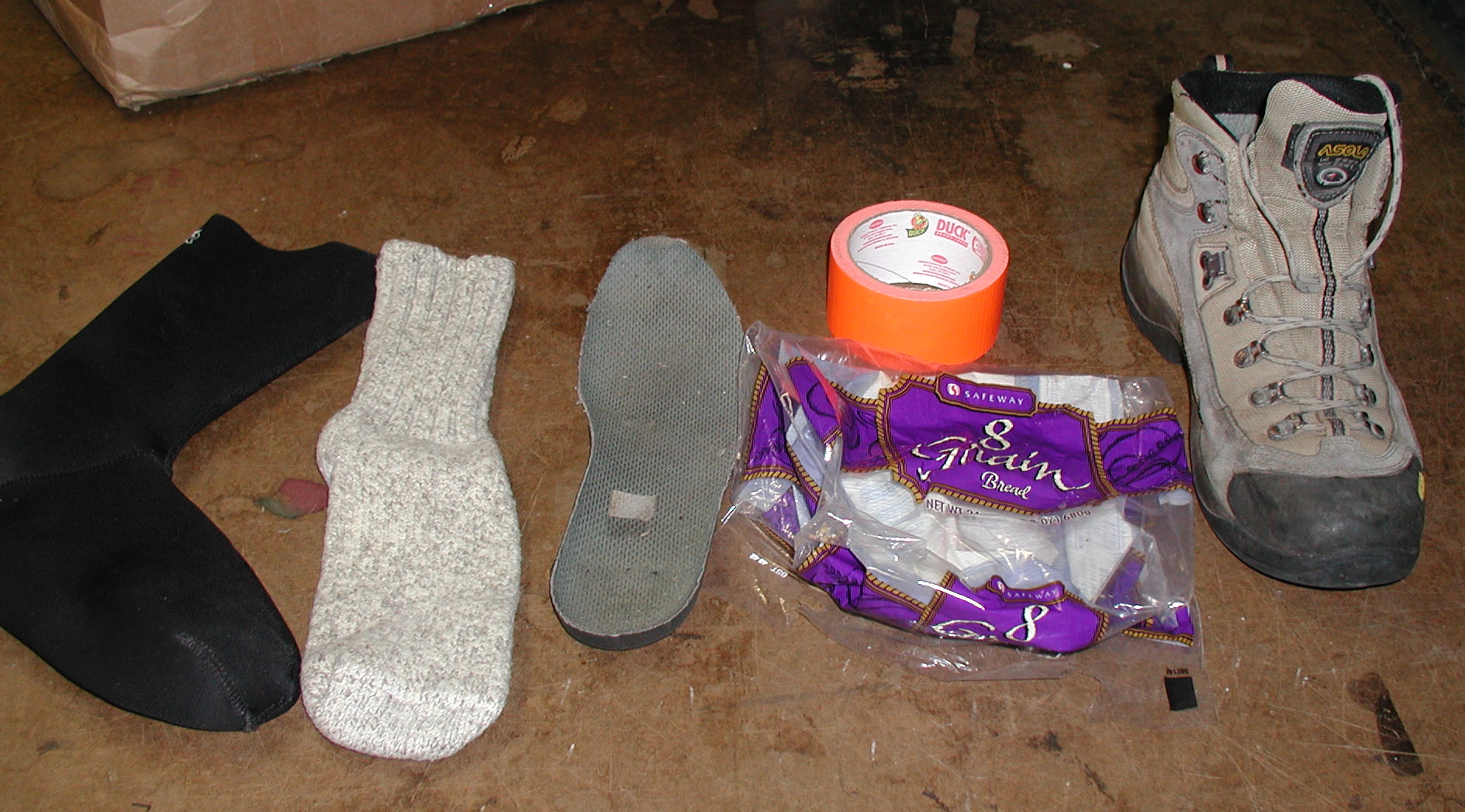
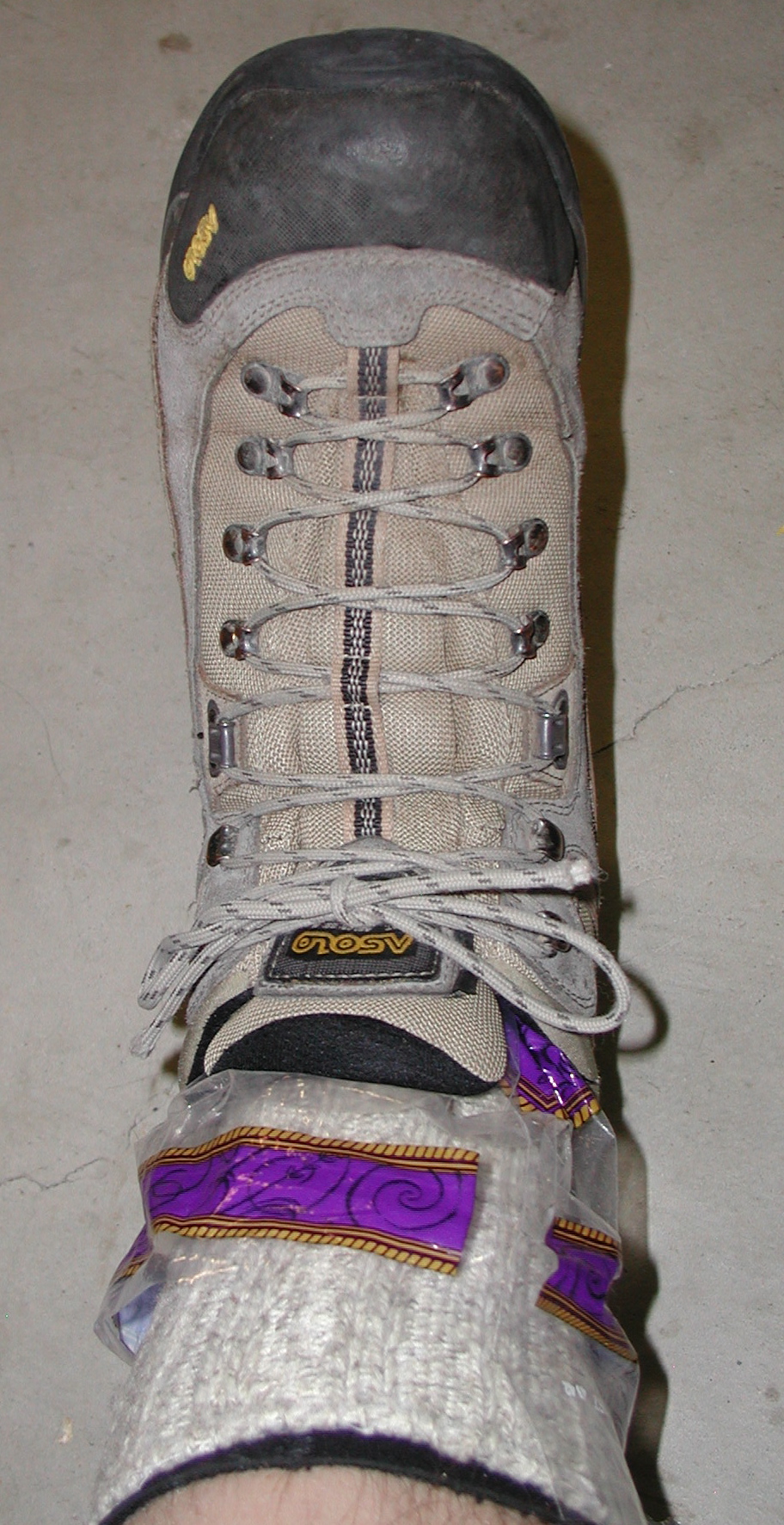
The method shown allowed me to use lightweight breathable boots for a two week
May trip in the Tablelands of SEKI where we had wet snow travel the entire time.

Note especially the insole INSIDE the bread sack and the tuck tape over the top
of the instep grocery bag. This will allow several days use out of a bread sack without
your toe going through the bag. The duct tarp lasts through several days use too.

The neoprene sock worked as a VLB and as an inner sock as it was fleece lined. It and
the bread sack kept the insole and wool rag sock dry as they were sandwiched between
the waterproof layers. A bit of perspiration did make it through the neo sock, but
was such a small amount that it made no noticeable difference. I would sleep with
all the socks in my bag at night, and they were usually dry by morning. I had to
turn the neo socks inside out at night for them to dry.

I have done the same thing with bread sacks replacing the neosocks, worn over thin liners. Tape over the instep again helps prevent the toes
blowing out.

One of my hiking partners used bread sacks with wool socks and tevas for his snow camp
booties.

Link to a good description of the use Vapor Barriers in cold weather hiking.

http://www.andrewskurka.com/advice/technique/vaporbarrierliners.php

5 Comments

Filed under Oware Backpacking Gear, Tips for the Backcountry

Reinforcing or repairing silicone coated nylon


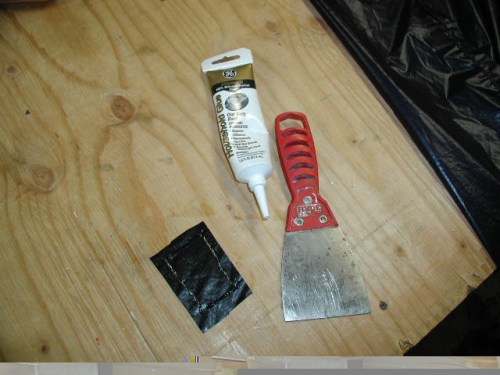
Cut out patches from silicone nylon to more than cover the area to be reinforced or patched on both
sides and run a bead around the edge of the patches with silcone sealant (clear GE Silicone II or silicone Permatex windshield sealant).

Spread sealant flat over entire surface of the patch, paying extra
attention to the edges, with putty knife.
Spread the patch smooth over damaged area, use a bit of waxed paper underneath the any hole
to it won’t stick to your table etc.

If you are a belt and suspenders type, or are going on a long trek with little
chance of repair facilities, after a 24 hour curing time you can also stitch
around edge of the glue patches and then seal the thread holes with more sealer.
Rounding off the corners of patches (not shown) helps prevent peeling off
of patches.

Patching Silnylon

Leave a comment

Filed under Oware Backpacking Gear

Pyramid Tarps


Pyramid (or Miner’s) Tarp

Proven protection from Oware since 1986

A floorless tarp of traditional lines which is quick to set up, light and inexpensive. A favorite for winter campers, it can be set up over a snow pit for extra roominess. It comes in 3 sizes and several weights of fabric to match your needs for group size and weight versus durability. It includes a stuff sack. Use your ski probe poles, hang it from a tree limb or order the separate shock corded pole to set it up. Just clip the buckle at the bottom of the door, zip up the zipper, stake out the four corners evenly and put up the pole. Additional tie outs are on the center seams. The apex is reinforced with Cordura®, the zipper is a #10 coil, and the zipper flap is 3″ wide and closes with hook and loop and a side release buckle. The silcone model comes with a #8 zipper. Zipper has two pulls to allow ventilation from the top.

Why an OWARE pyramid?

The taller steeper pitch sheds snow and rain much better than the competitors versions as well a providing more headroom. Just ask the outdoor schools that choose them over BD, GL etc. for use in the Cascades, Rockies, and Alaska for all season use.

Includes 1 oz. pole connector (3 webbing straps) so you can use two trekking or ski poles to make a height adjustable pole.

Read about fabric choices and color choices


10x10x6′ 30d Silicone Back View,Corner View,

Customer Photos of 10×10 silicone pyramid by V. Karpenko

1. Before snow

2. After snow

3. Shoveling steps

4. Lots of headroom

No-see-um netting around the bottom perimeter. Silnylon 9×9 with net 28 oz.!

This one is 70d silicone plus for heavy duty use and weight less than 3.5 lbs.

Photo front

Photo door open

see also backpackinglite.com’s staff picks

Attention - Silicone Impregnated (coated) nylons are NOT flame retardent 
and will continue to burn once exposed to flame. Do not use near open flame 
or high heat sources.

Get ’em here

http://shop.bivysack.com/category.sc?categoryId=4

Leave a comment

Filed under Oware Backpacking Gear

Using Summer Inflatable Pads in the Cold


If you take a doublewide but thin ccf pad, you can fold it in half and sandwich the inflatable in the middle.

Help keep the inflatable from stick/rock/cactus spine punctures, AND your body away from the air currents and subsequent cooling by convection inside the inflatable.

See previous blog post for weekly sale on Plastazote pads.

Leave a comment

Filed under Oware Backpacking Gear

New Product-Sleeping bag liners made from Fleeced Tricot


NEW Product—Sleeping bag liner to add a little extra warmth to your sleep system. Keep your dirty ankles away from that $400 down sleeping bag. Popular with outdoor schools and rental programs to save wear and tear on program issued bags. Lightweight and stretchy Polyester Tricot with a fleeced interior that feels good against the skin and won’t hold moisture. Very breathable. A simple pullover sack with a squared foot section. —-regular up to 5’10”—length 71″ girth 62″,weight 7.5 ounces. (Custom sizes available for Quantity orders of 20 or more, special pricing too) *Attention – NOT flame retardant and will continue to burn once exposed to flame. Do not use near open flame or high heat sources.

http://shop.bivysack.com/product.sc?productId=95&categoryId=1


Leave a comment

Filed under Oware Backpacking Gear, sleeping bag liners

2.4 Pound Extreme Ultralight Pack–On the Appalachian Trail


A friend, Alan Dixon, show an example of how to really get that pack weight down for a 90 mile hike

in the fall. Notice the Cat Tarp 1.5 in Cuben fiber.

http://www.adventurealan.com/2-4_index.htm

Leave a comment

Filed under cat tarp, Oware Backpacking Gear

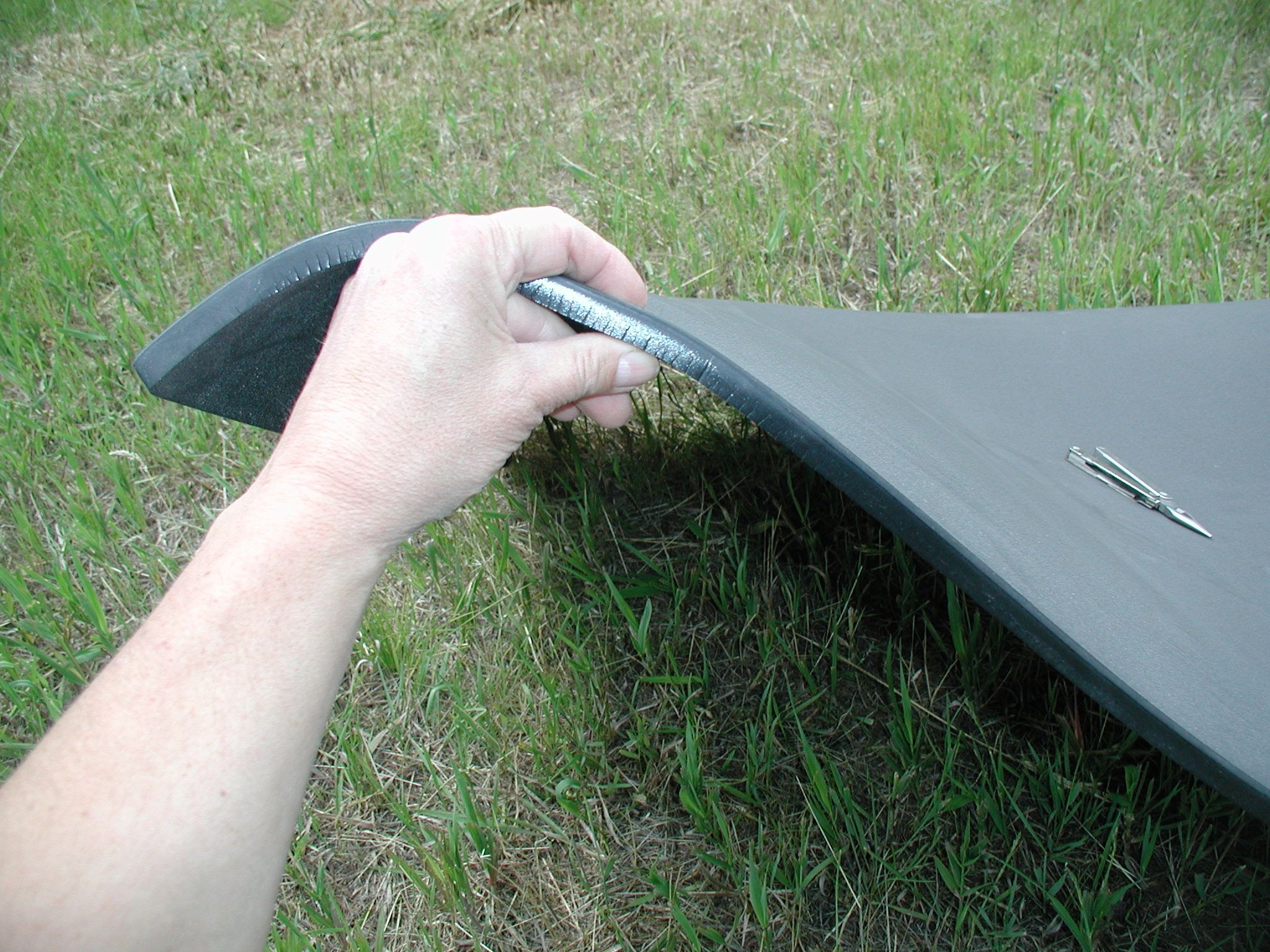
Foam Pads for winter, Line Loc 3’s option on tarps


Add a thick foam pad to your sleep system to insure a warm sleep as frost approaches.

http://shop.bivysack.com/product.sc?productId=80&categoryId=3

——————-

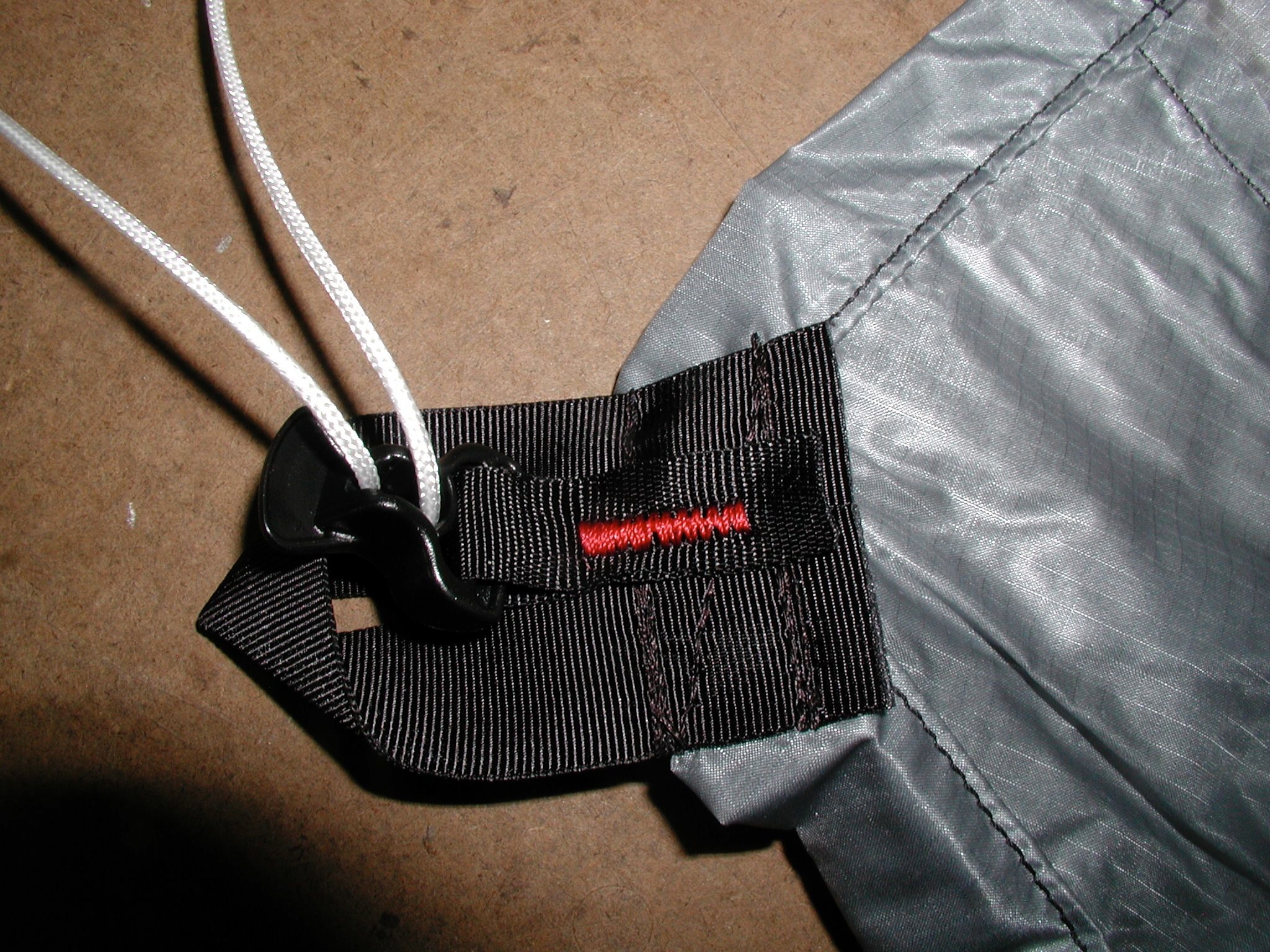
Also now, line loc’s can be added to existing tarps for those that like the convenience of adjusting

the tarp cords from inside or outside the shelter.

http://shop.bivysack.com/product.sc?productId=94

Leave a comment

Filed under alphamid, cat tarp, flattarp, oware tarps