
The second sail made for some friends. They did well in the races.

Filed under Oware Backpacking Gear
Cuben Fiber .5 oz. sewn to Silicone coated nylon 30 denier and pulled to failure (42 lbs).
Tie outs were not reinforced but held while two rows of straight stitching on a lap seam failed
at the nylon, cuben AND stitching. This is 7 lb tensile strength thread.
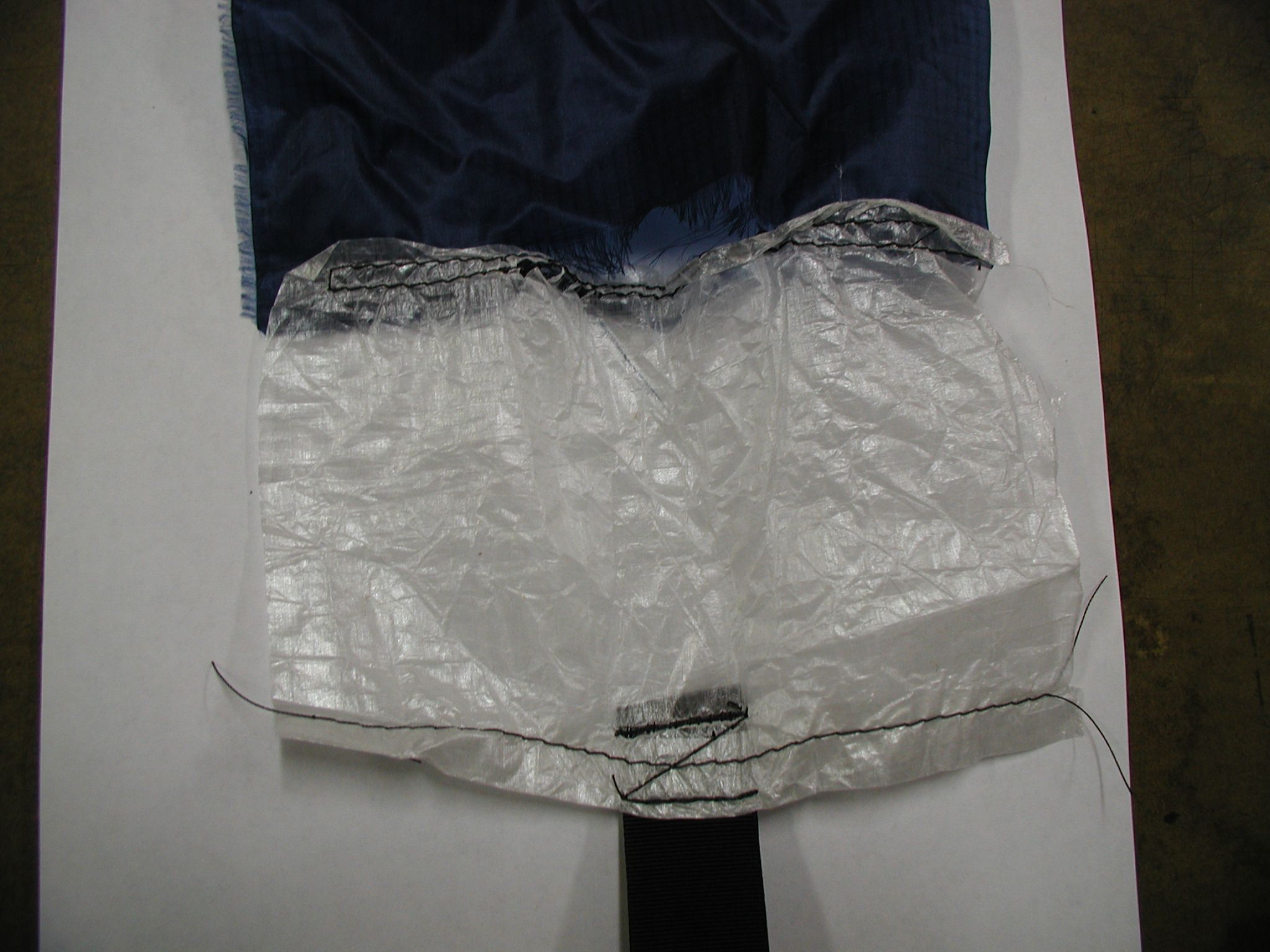
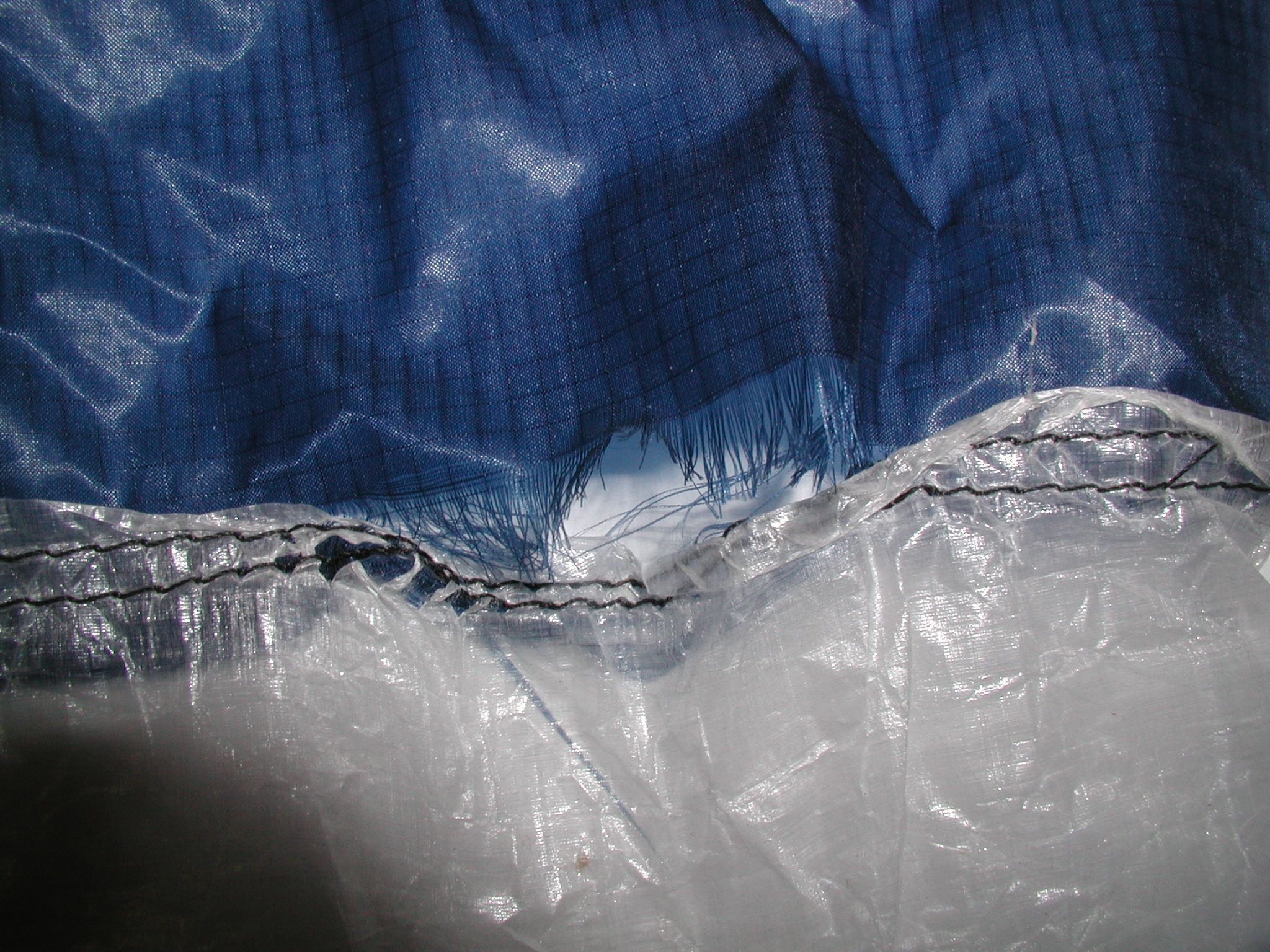
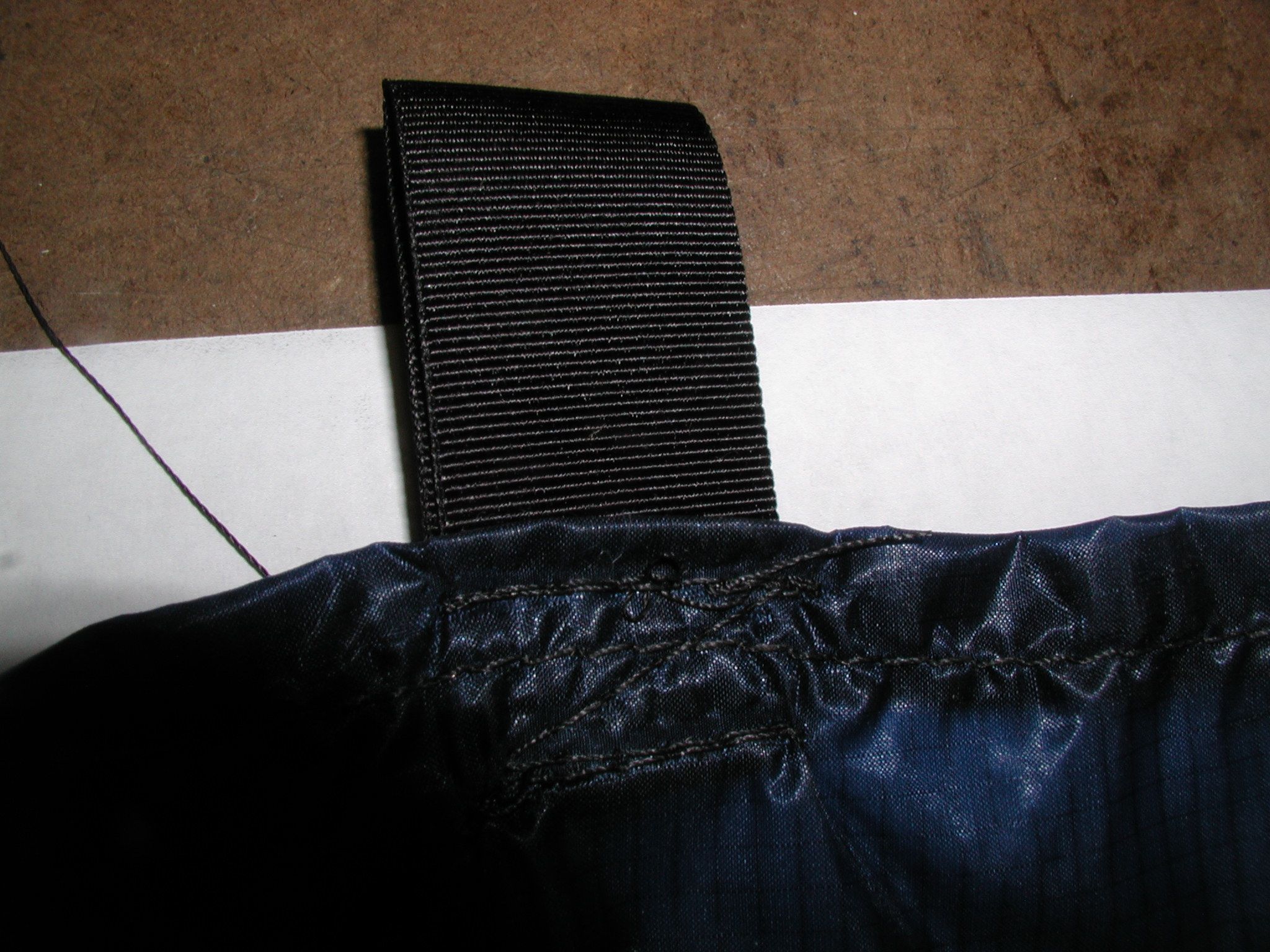
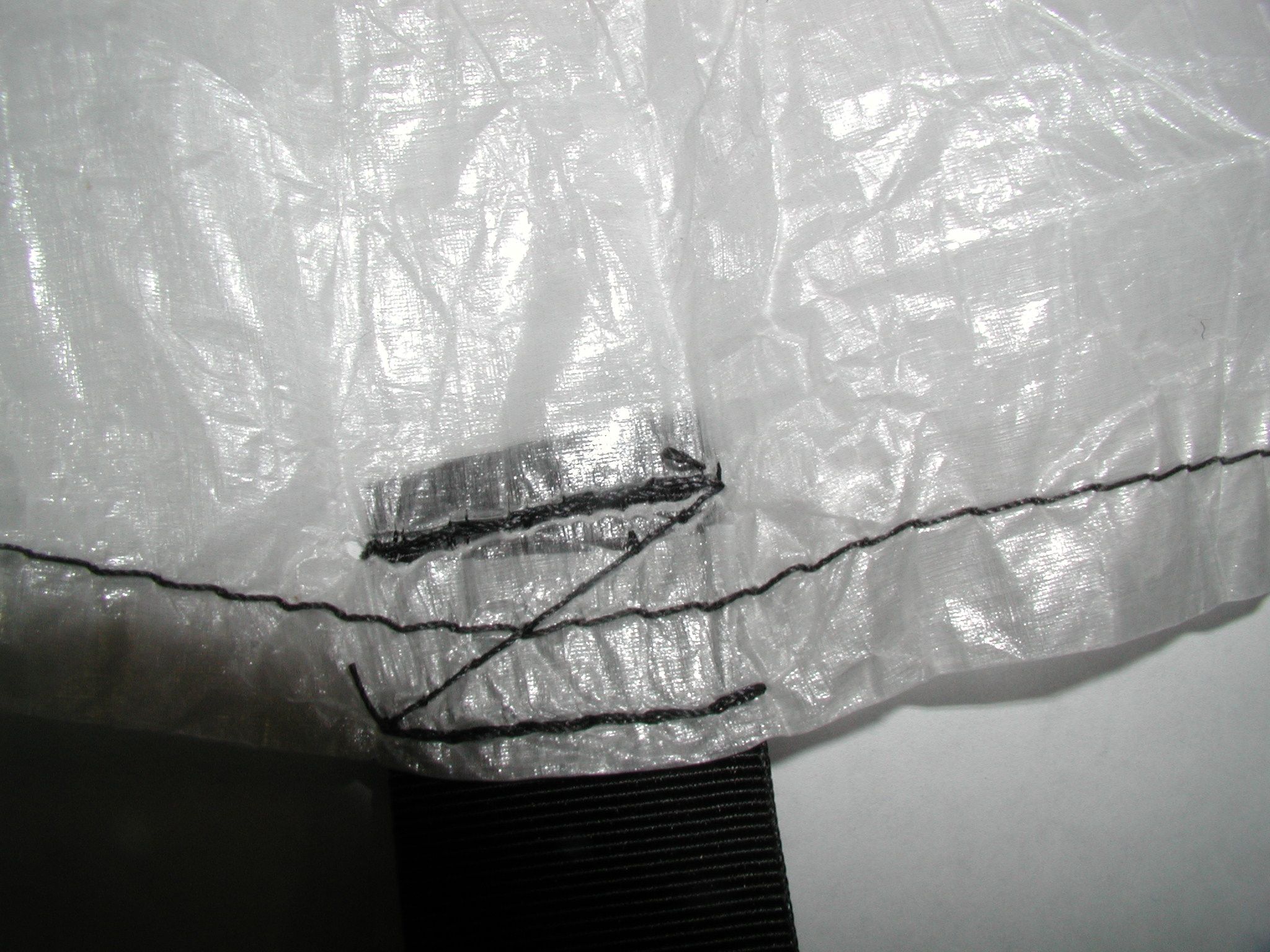
Cuben Fiber .7 oz sewn to Cordura 1000 denier nylon with 4 rows of straight stitch and to itself with flat felled and glued seam. Shock loaded to failure (body weight plus a jump).
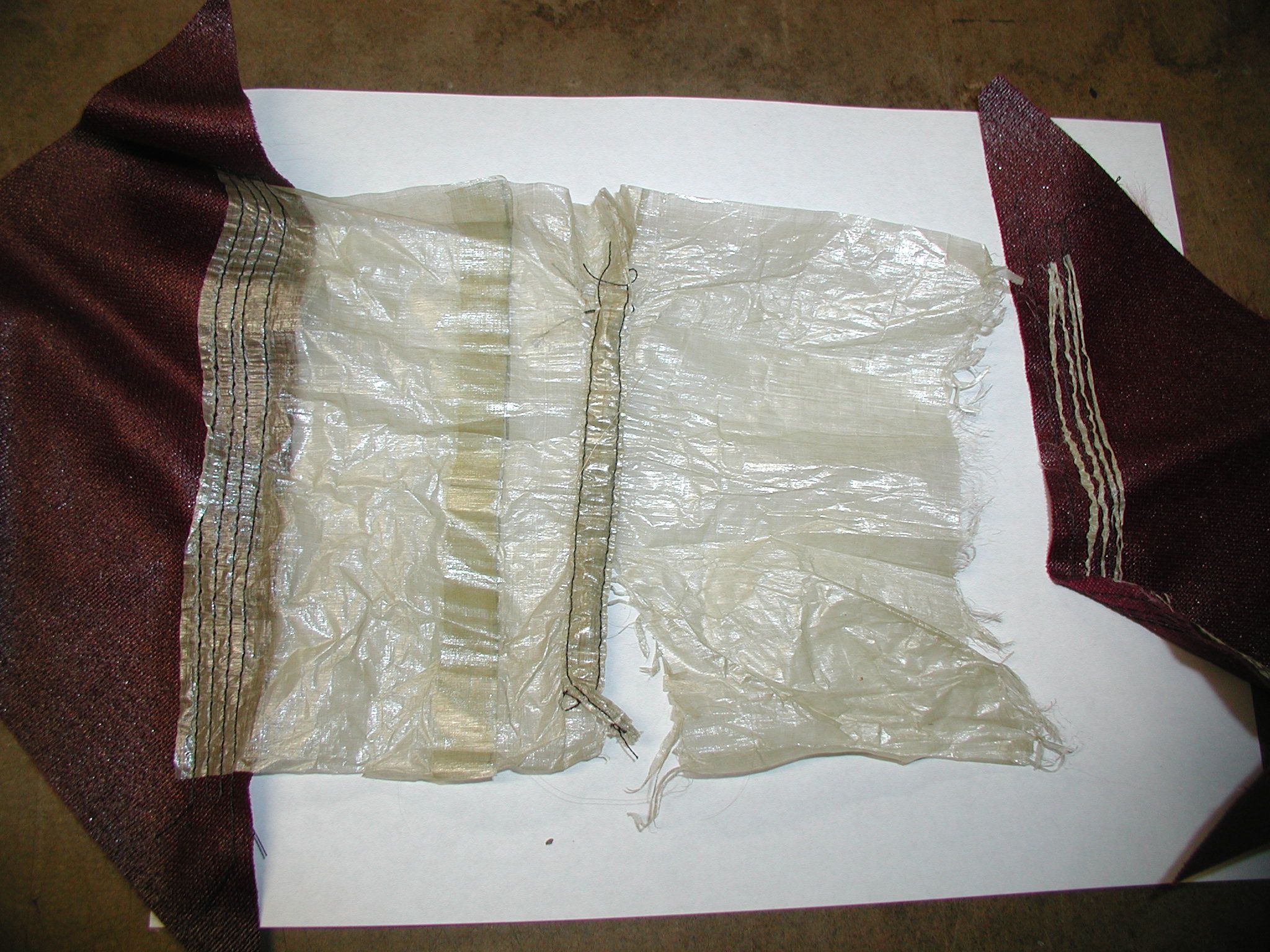 Notice the tie out webs were not the failure point. Also that a flat felled seam with only 2 rows of stitching proved stronger than a simple lap felled seam with 4 rows of stitches. The glued seam did even better than that.
Oware custom bivy 3.5 oz!
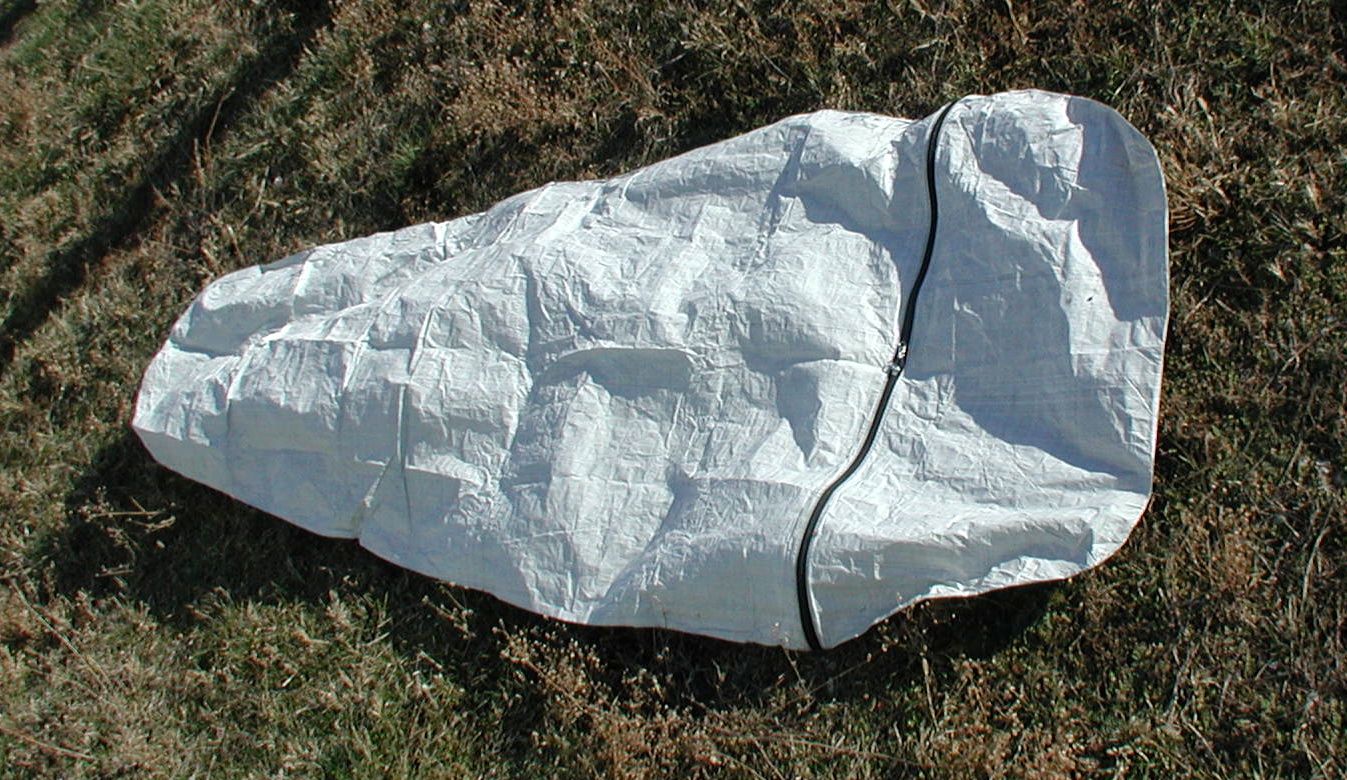
Fully waterproof with breathable top.
Size small.
Waterproof Breathable Cuben Fiber top (thanks to Joe @ Zpacks for the material)
Cuben Fiber Bottom
Waterproof zipper
Sewn then taped.

Filed under bivysack, Do It Yourself, Oware Backpacking Gear
An old favorite returns with some new improvements. Used by Utah river runners when the bugs come out.
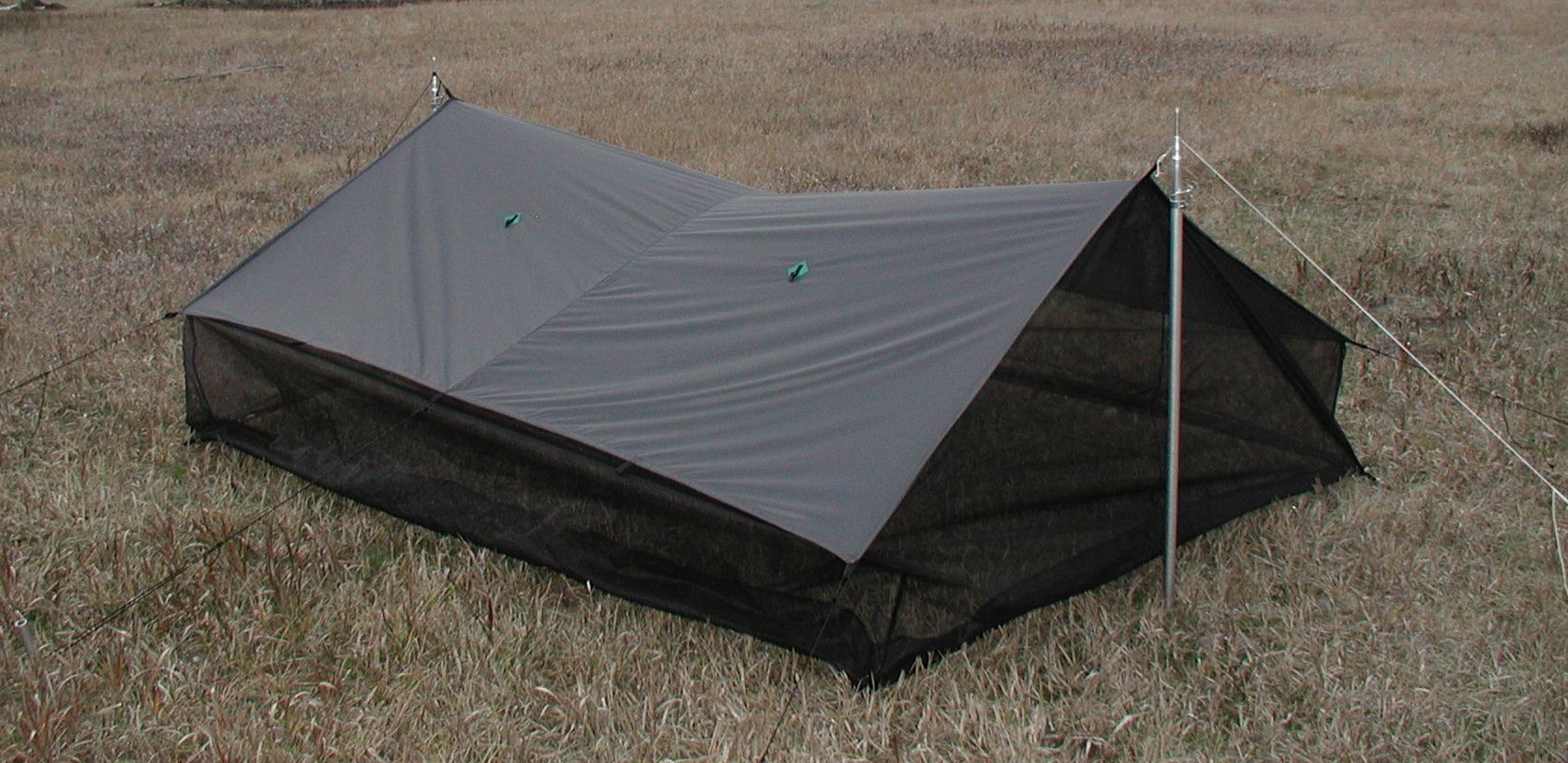
A flat tarp with noseeum netting around the edges and ends.Floorless makes it lighter and more compact. Less issues with spills while dining underneath too. No zippers to break or fill with sand or salt, just leave one corner un-pegged and lift it to enter.
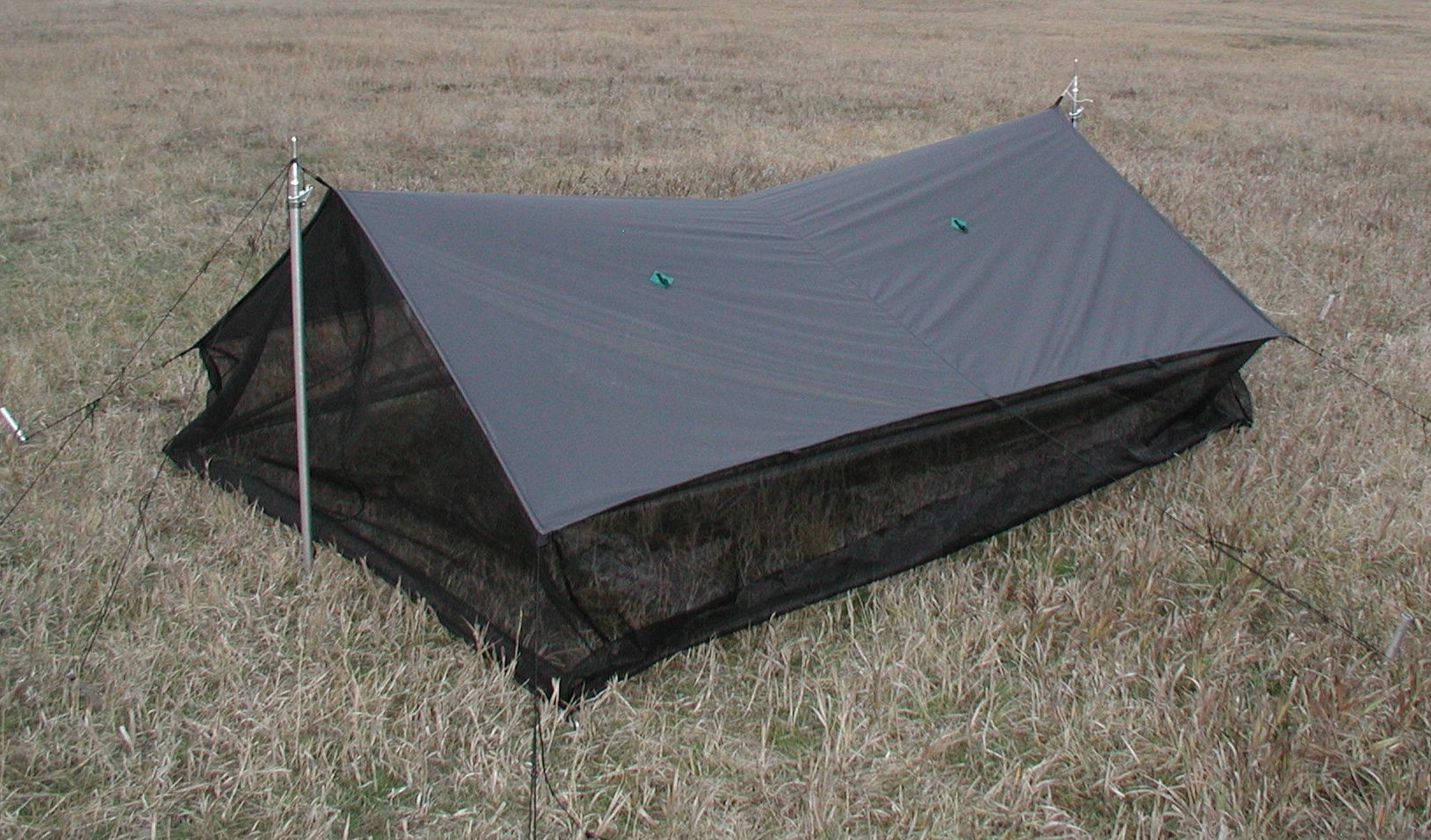
Two sizes available, sewn to order with several fabric choices. NetTarp5 (10×14′) and theNetTarp2 (8×10′). These now come with a cat curve cut into the hems for tighter set up and line loc3 cord tighteners on the 4 center tie outs to adjust headroom.
Poles available too, but many use hiking poles, trees, or paddles for the uprights.
Purchase stock one here
bivysack.com or call for custom fabrics and prices.
888-292-4534
Filed under backpacking tarps, flattarp, NetTarp, Oware Backpacking Gear, oware tarps
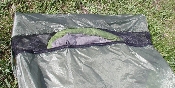
This is a two person size bivy made of Mil Spec 30d ripstop top and bottom. One only, this is a custom bag for hot weather providing bug, and wind protection and with a no sweat surface to lie on when using a quilt. Weighs just 11 oz. Length 90″, Girth 110″.
Blog price $110 including shipping, mesh sack.

Phone order
888-292-4534
Filed under bivysack, Oware Backpacking Gear
Since it is often desirable for  greater padding under the hips and shoulders
I have tried gluing  layers of closed cell foam pad together.
I found that this can be accomplished with contact cement purchased at the
hardware store. It makes a very strong bond and you only need a few dots of it
to hold things together.

By overlapping pieces, I can now make myself a custom pad to my height and
width with padding at just the spots I need. This way I eliminate a ground
sheet, and have a warm full length pad  with a surface that doesn't promote
condensation.

As weather turns colder, you can add additional layers of foam.

One of my customers uses grommets and toggles in his hammock to keep the pad
in place.

Foam pads for sale.
Filed under Do It Yourself, Fabric, Tips for the Backcountry
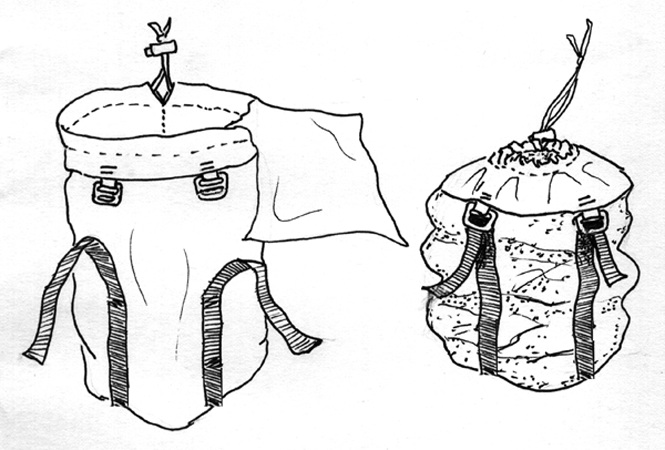
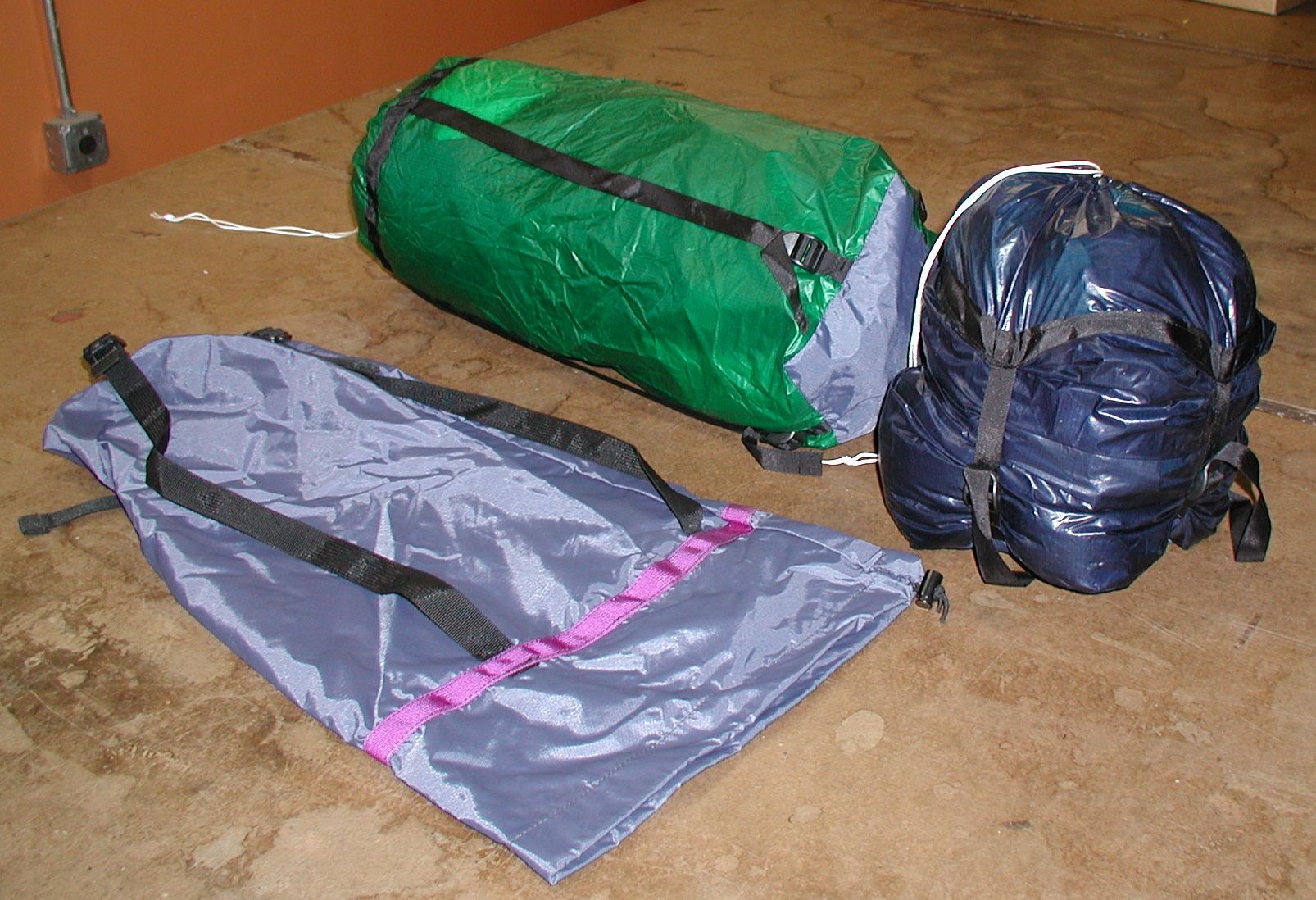
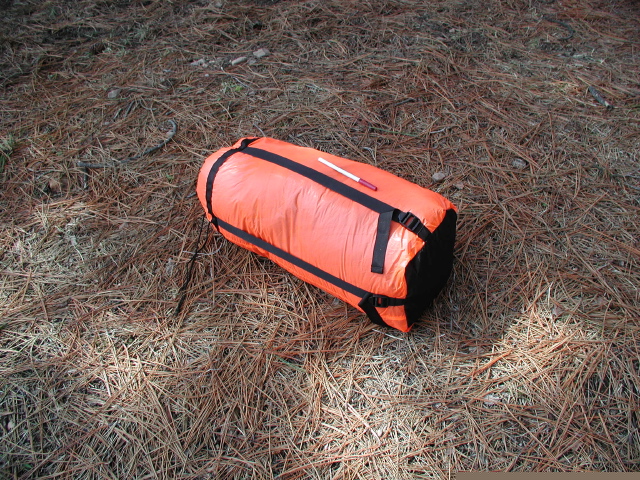
A long favorite with outdoor schools, compression sacks help get that winter bundle of wool and fleece, or a thick synthetic sleeping bag, under control. Especially nice if you have cold fingers. Simply stuff, then pull the straps through the buckles to squeeze it down till it fits in your pack.
http://shop.bivysack.com/product.sc?productId=97&categoryId=8
Filed under Tips for the Backcountry
Don and his son tried out two of the large side zip bivysacks on subzero outings this past year.
One was made with the mil-spec 30d nylon with a Durable Water Repellent finish. Not a waterproof fabric, it has a hydrostatic head (measurement of water pressure at the point of leakage) of over 400 mm.
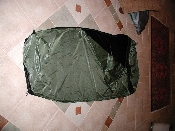
The other fabric was a 70d ripstop nylon with a pTFE laminate on the underside. This is considered a waterproof and breathable fabric with a hydrostatic head of 3000 mm.
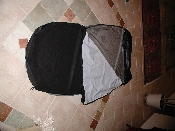
Both sacks used a silicone coated nylon bottom.
I asked Don to let me know about condensation and other considerations he discovered on using the two bivys.
Here is his report.
—–
OWARE BIVYSACKS FOR WINTER USE
I tested two of the OWARE large size winter bivysacks, one with the High Vapor Perm PTFE fabric and the other in Durable Water Repellent ripstop. fabric.
One night the temperature was a few degrees below zero Fahrenheit. My son and I used the two biviys directly on the snow after digging and firming up by snowshoe compression the base. The bivy sacks’ large size easily accommodated winter weight mummy bags and double sleeping pads. They were great for fitting in clothing and the many items such as winter mukluks or boots, clothing, etc that are needed close at hand on a winter bivouac. I was particularly interested in comparing vapor transport between the two bivy’s.
I found that there was very little if any appreciable difference in frost build-up between the HVP bag and the DWR bag. I think that vapor transport in far below freezing temperatures ceases to take place if the fabric isn’t close to a warm body, in this case the sleeping bag. When the vapor left the sleeping bag outer fabric and hit the cold bivy fabric, it turned into frost,.
I found that the black , textured PTFE fabric tended to harbor frost and snow within the fuzzy nap of the fabric on the top cover and was hard to thoroughly brush off.
I decided to choose the olive ripstop , very slick bivy as my winter bivy of choice.
The insect netting at the head was not just unnecessary for winter use, but actually a nuisance, as the netting accumulated frost from my breath and rained it down on my exposed face and sleeping bag. Much less of a problem (though still present) with a head opening lacking netting. I will probably remove the netting in the future since the Oware Large Bivy will be used by me for only winter use.
Another factor to be considered in purchasing gear is the sewing. The seams were all very tight and with no wander. All high quality zippers and material and made in America!
Buy them here
http://shop.bivysack.com/product.sc?productId=47&categoryId=2
Filed under bivysack, Oware Backpacking Gear
CatTarp TM
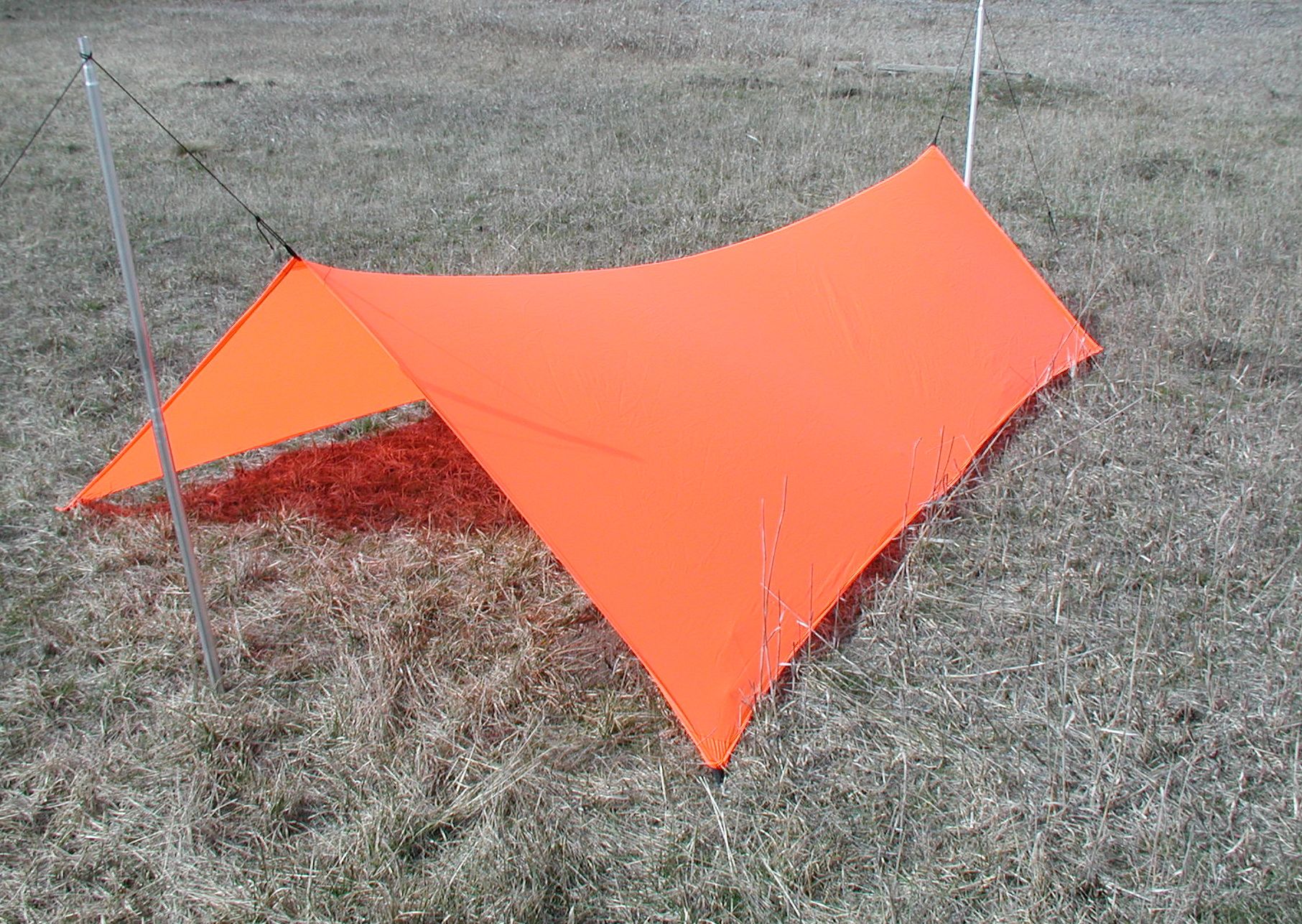
Home of the backpacking tarp with the catenary cut to the ridgeline. And the first ones made of silicone coated nylons and Cuben Fiber TM laminates. We coined the term “cat cut” to describe and differentiate this new feature on our tarps from others on the market. By using this curve, it takes stretch and bag out of the fabrics and enables the tarp to be a “hummer not a flapper” with fewer tie outs and stakes in high wind.
Others may have copied the name, descriptions, even drawings from Oware. Not all tarps with “cat” in the name are made the same way or have 26 years of tarp making experience and goodwill behind them.
Dave Olsen
Oware
See them here
http://shop.bivysack.com/category.sc?categoryId=7
Filed under cat tarp, Oware Backpacking Gear, oware tarps
 Oware
Oware 