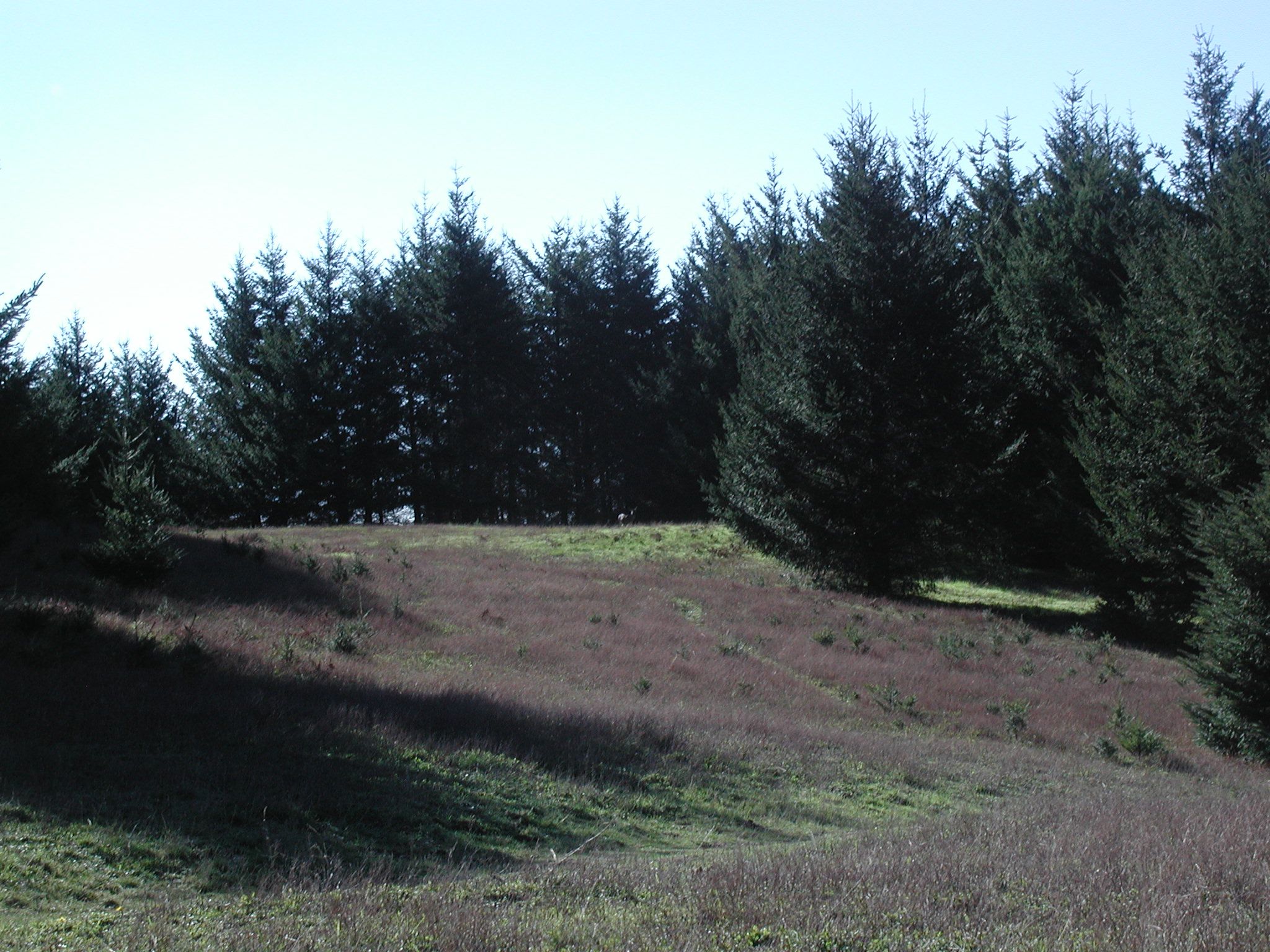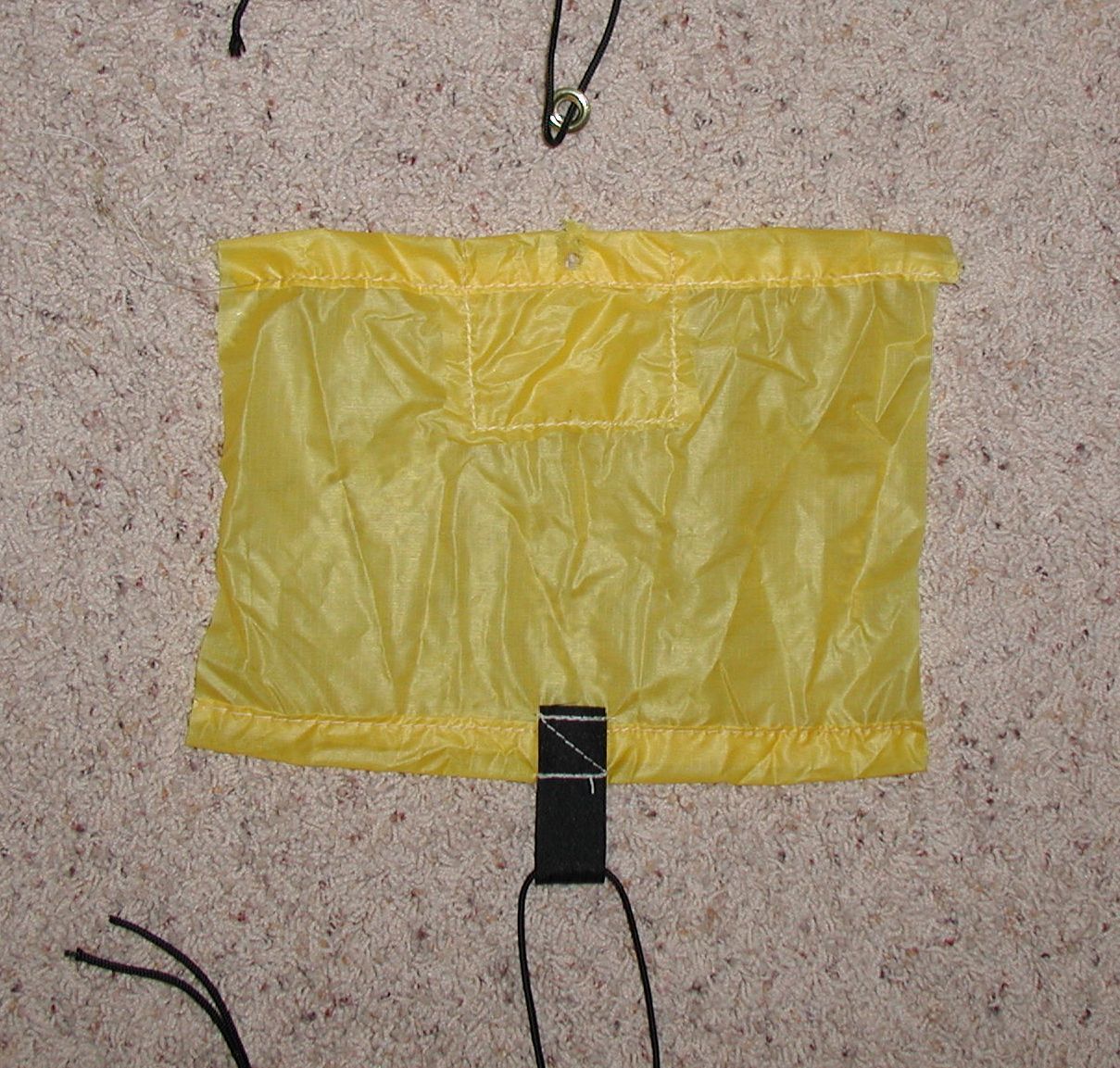
grommet in 4 layers of 30d silnylon, fabric stretched and grommet pulled out before 1″ webbing stitched on failed.
grommet in 4 layers of 30d silnylon, fabric stretched and grommet pulled out before 1″ webbing stitched on failed.
Filed under Do It Yourself, Fabric, Oware Backpacking Gear

At a load of over 55 lbs, Hem with tie out no reinforcement patch
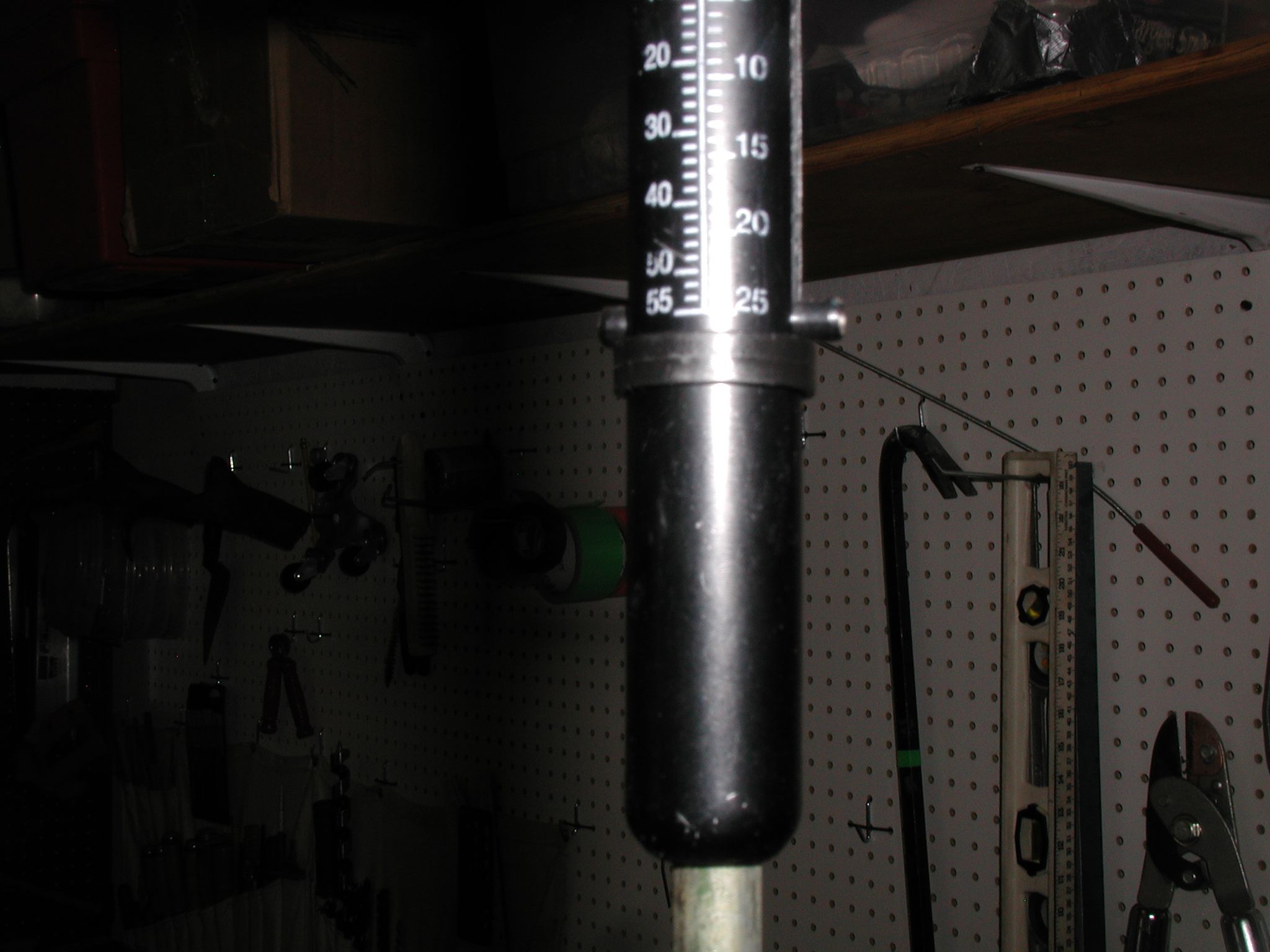
55 lbs
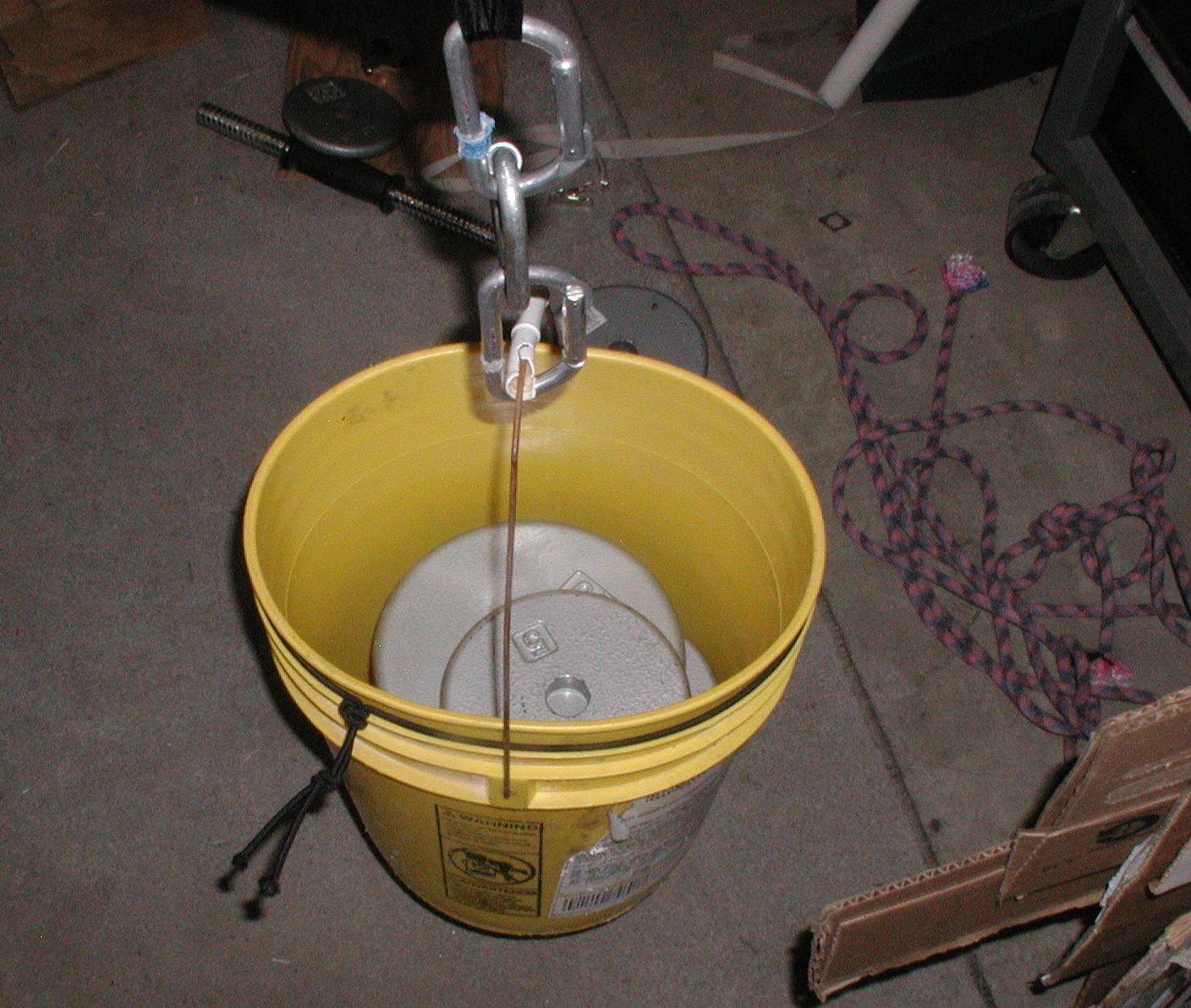
Bucket of weight
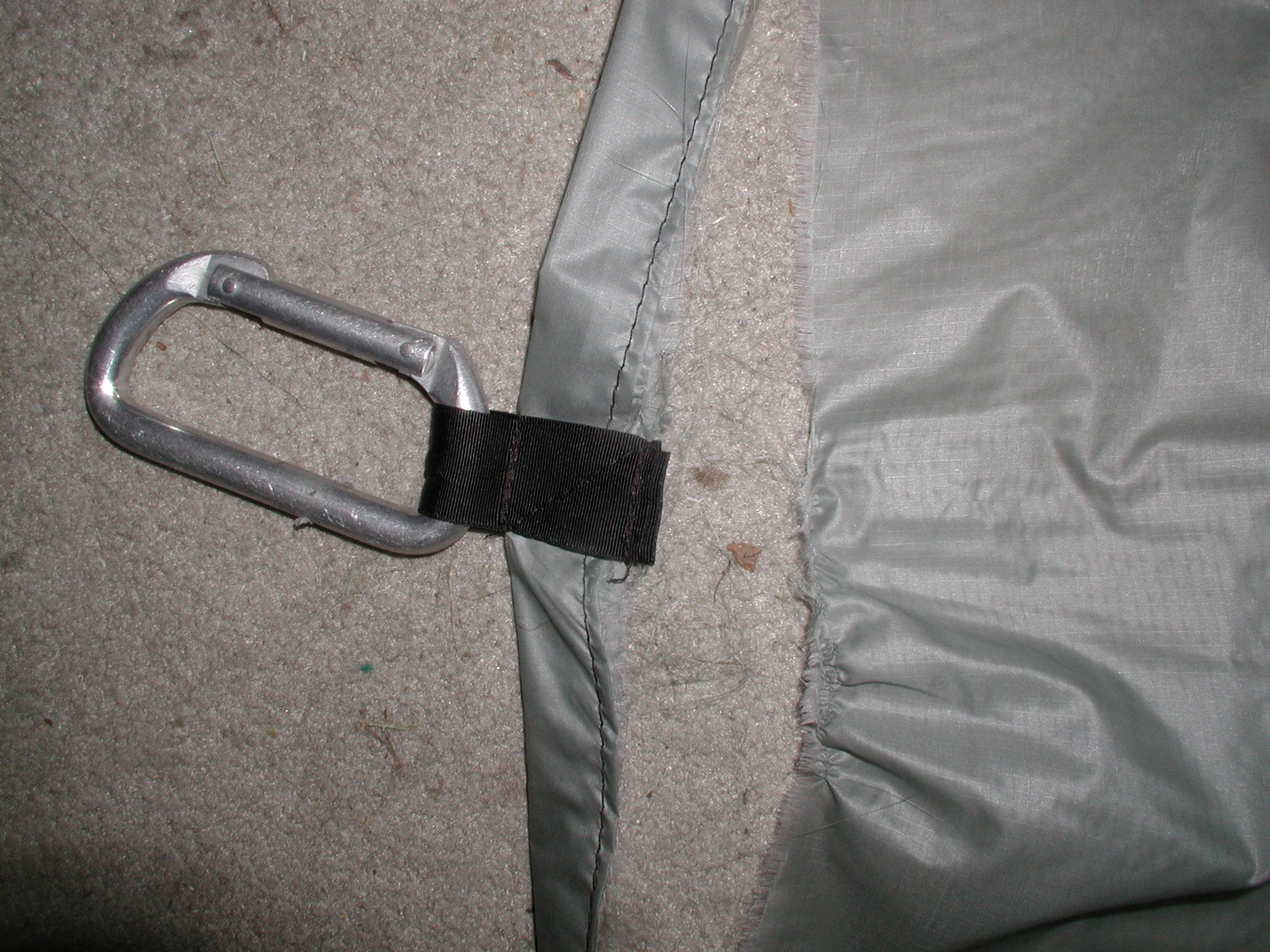
Failure at 72 lbs
Filed under Do It Yourself, Oware Backpacking Gear
A simple coiling method to keep cord untangled until you need them. I learned this at Outward Bound. Firm Cord works best. I like to use 2mm cord on the most used tie outs and carry a bit of 1mm cord for long reaches to distant anchors.

Starting at the bitter end, coil around hand leaving a foot or two between the hand and tarp attachment point.
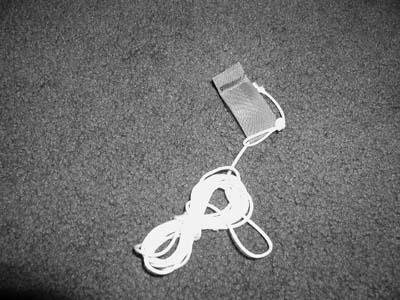
Wrap the remaining cord tightly around the first coil and then pass a loop, close to the tarp attach point, through one end of the now figure eight shape of the coil.

Loop this over the other end of the figure eight and pull. Reverse process when you need to use the cord to tie up your tarp/tent.
”
Filed under Good Links
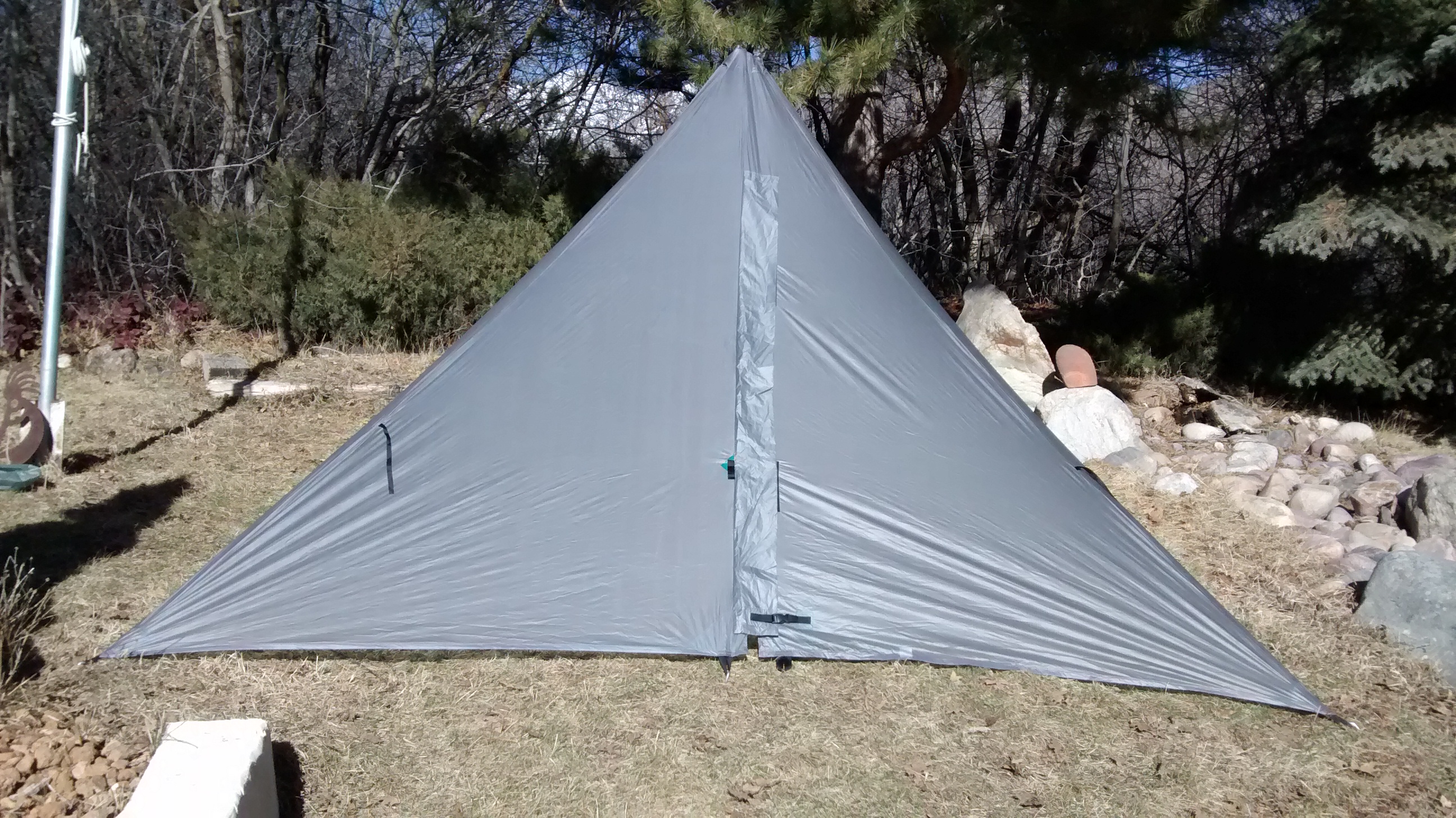
“Amazing quality, Dave! This was my first ever pitch of a pyramid tarp and it took me only a couple of minutes. Looking forward to using this for multi day backcountry skiing, backpacking, river running, mountain biking, etc. Thank you, Scott”

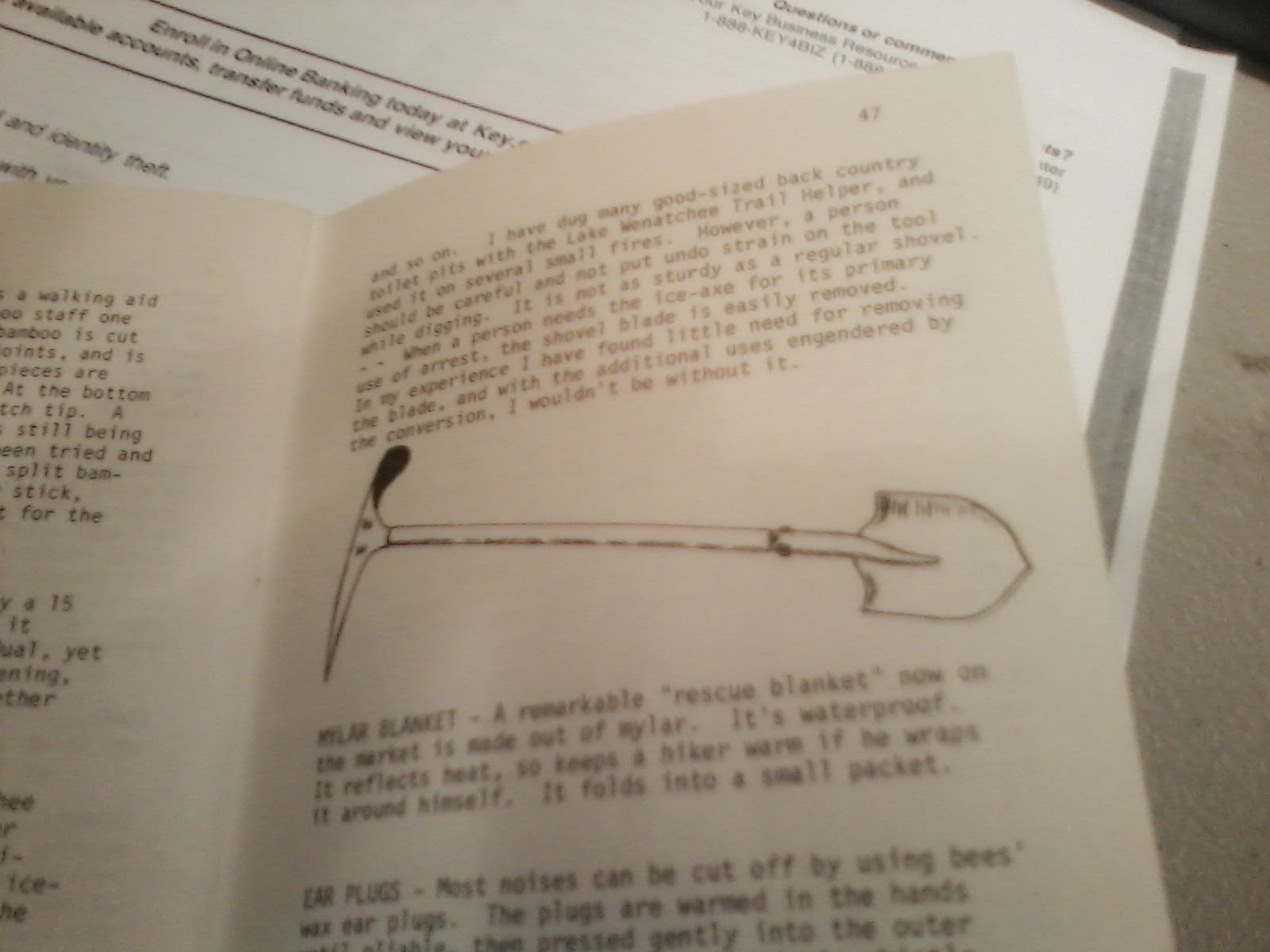
From 1972, collection of backpacking advice.
A photo from the book of “The Lake Wenatchee Trail Helper”

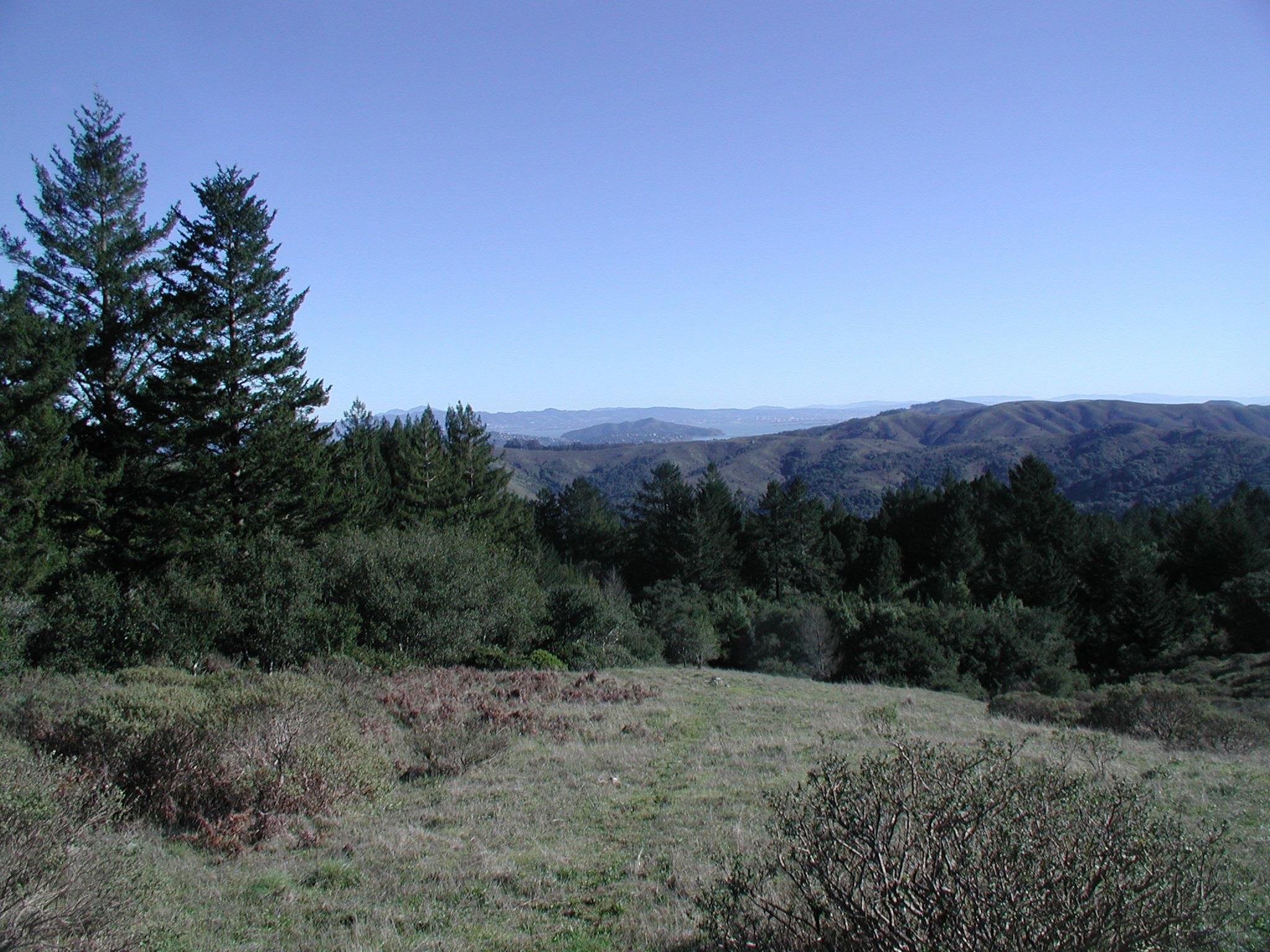
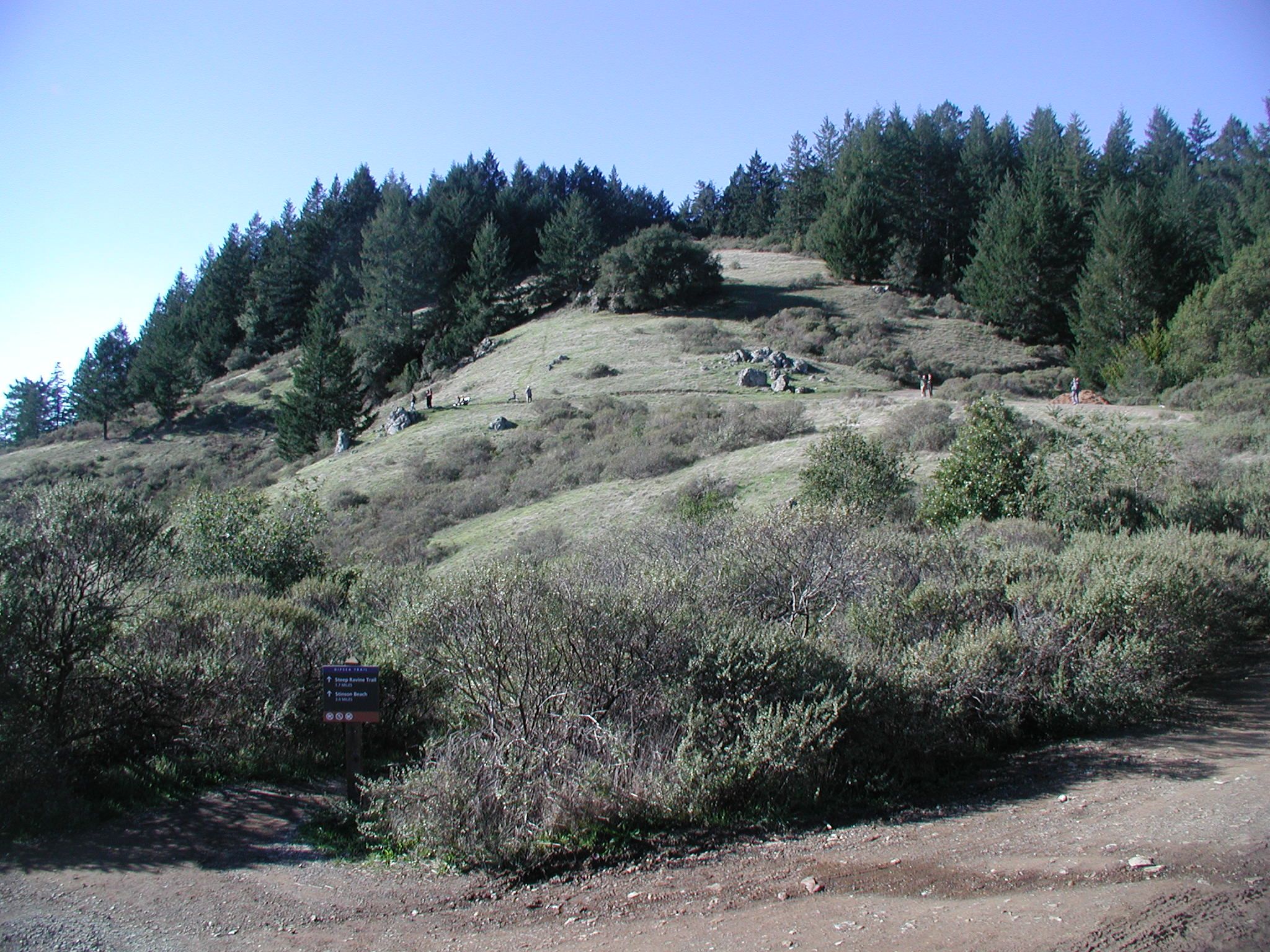
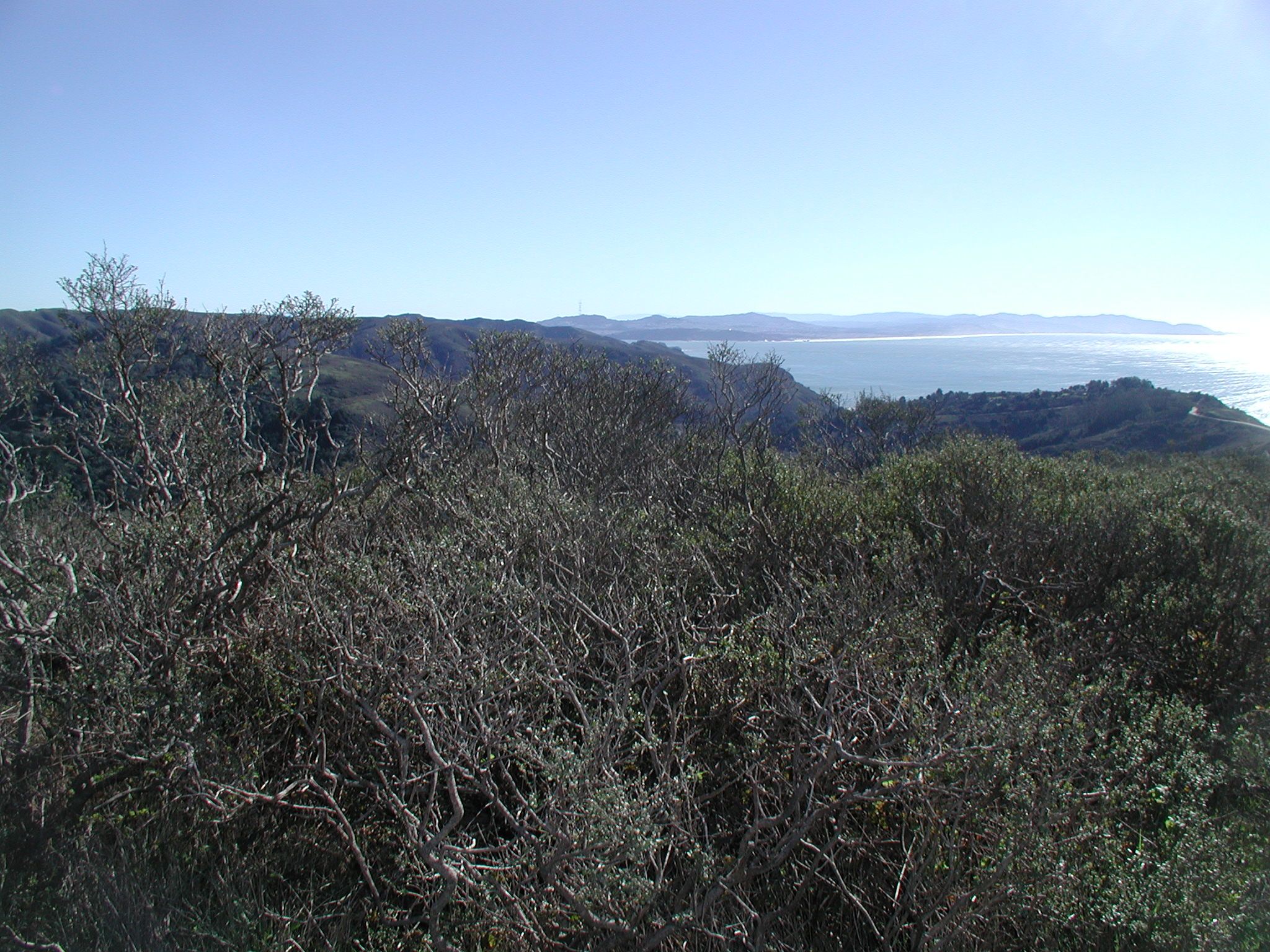
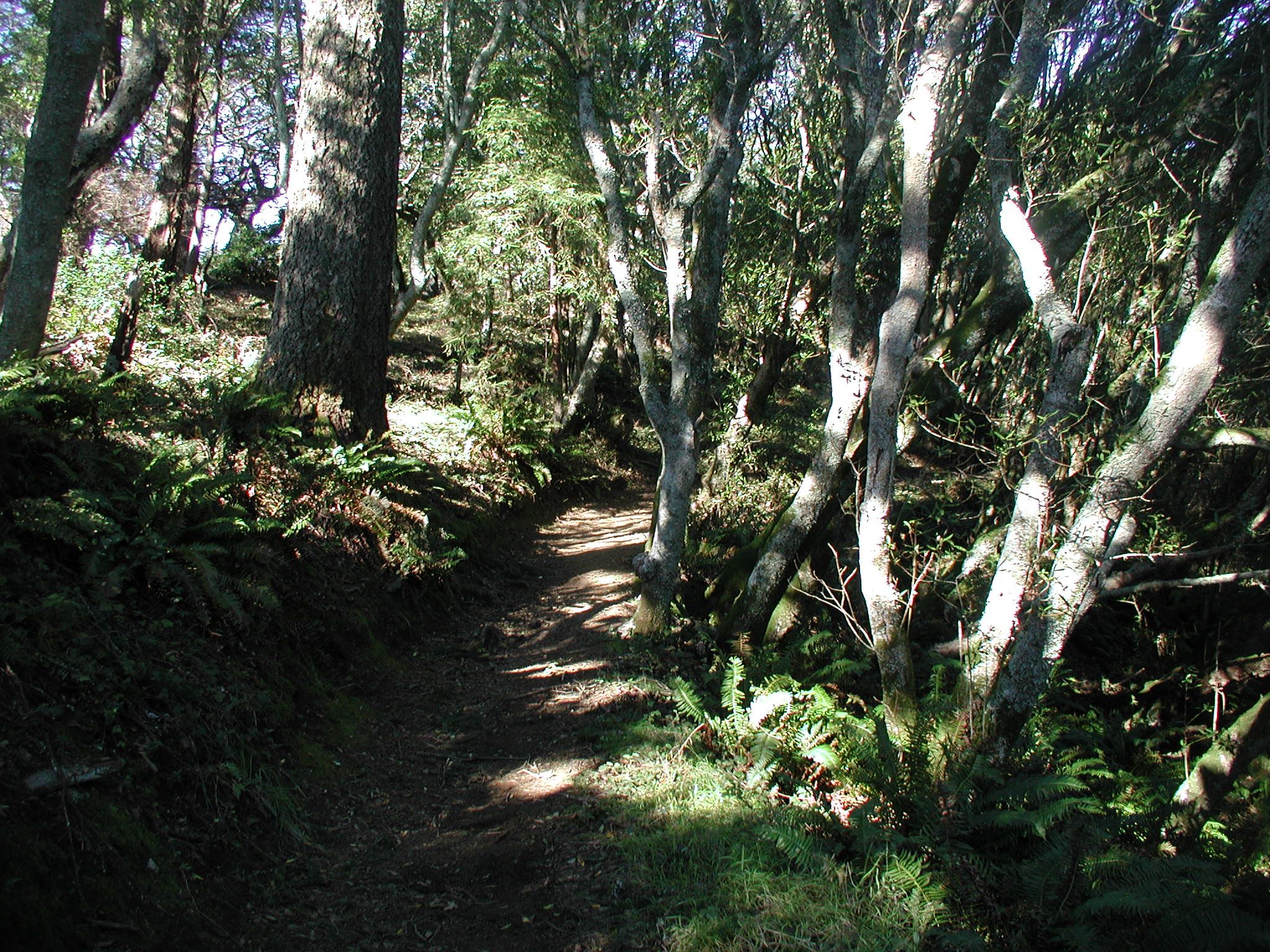
Great Hikes and nice beaches one hour north of San Francisco.
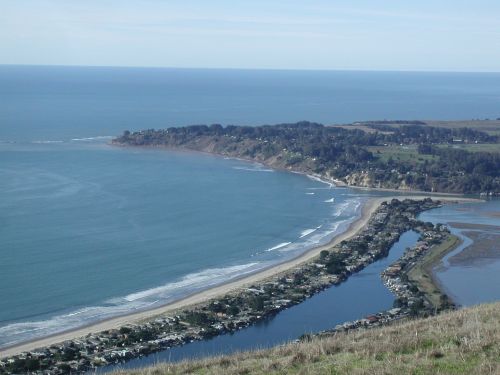
Stinson Beach
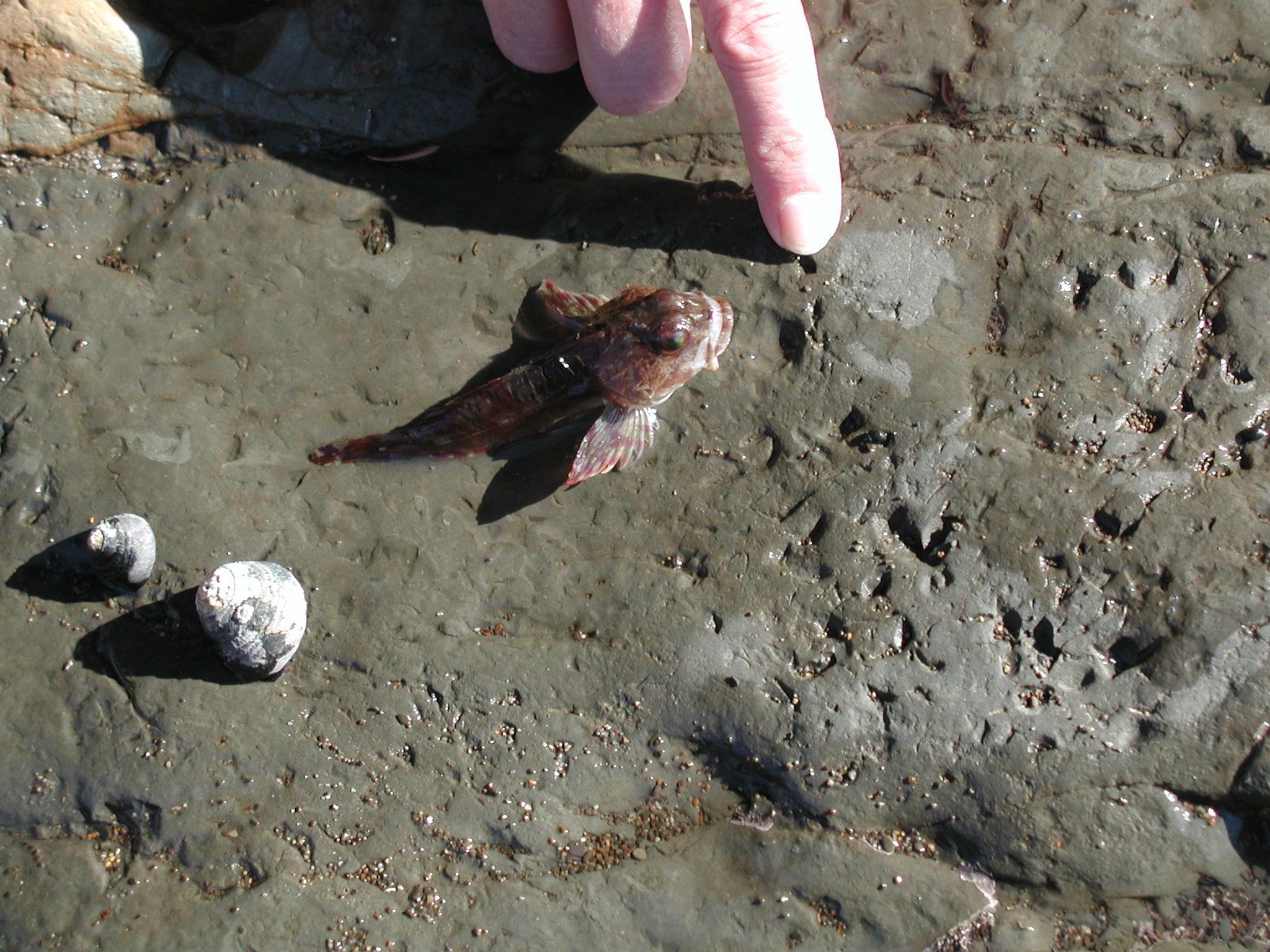
Sculpin at Duxbury Reef Tidepools
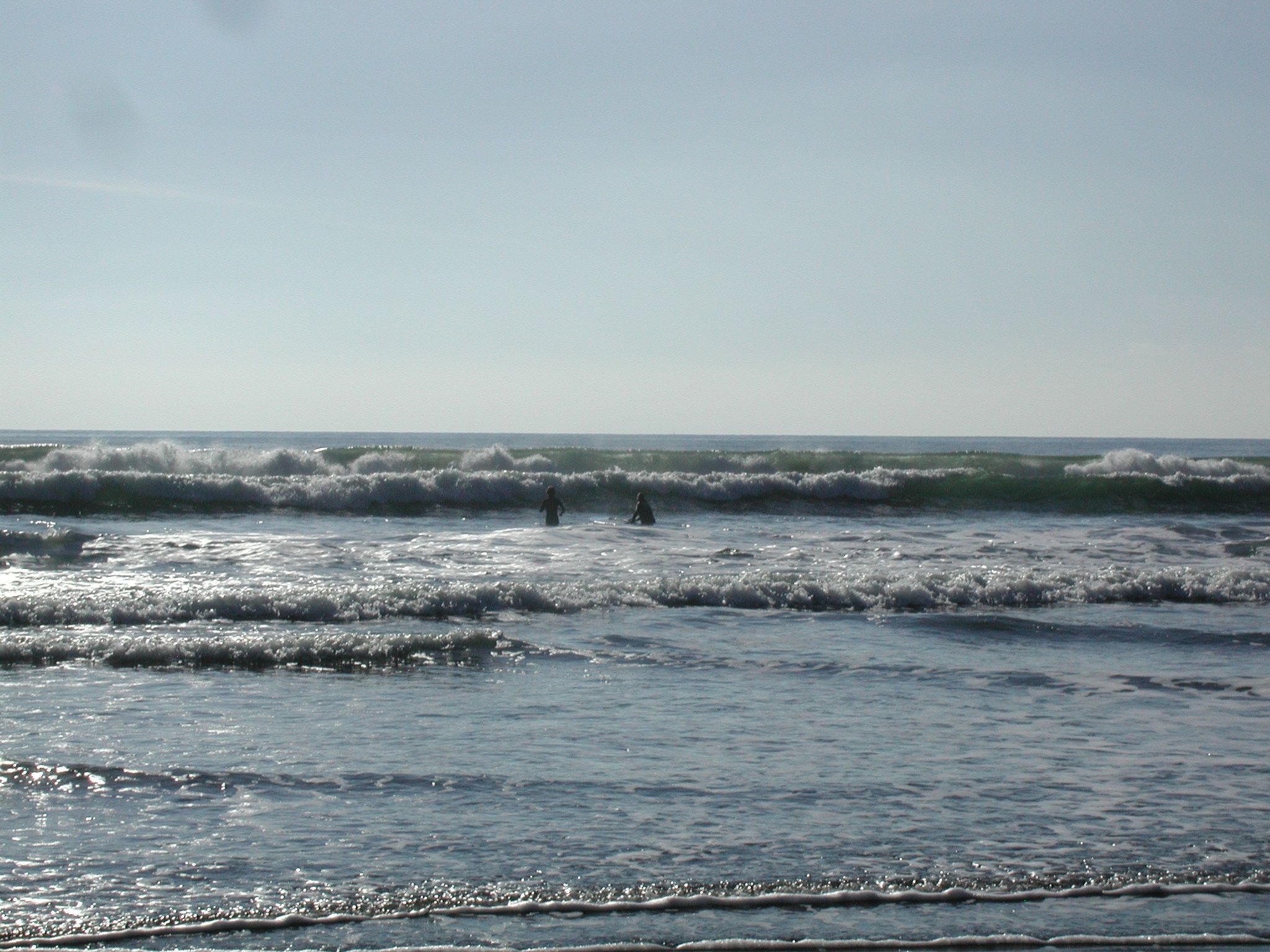
Getting through the surf to paddle board
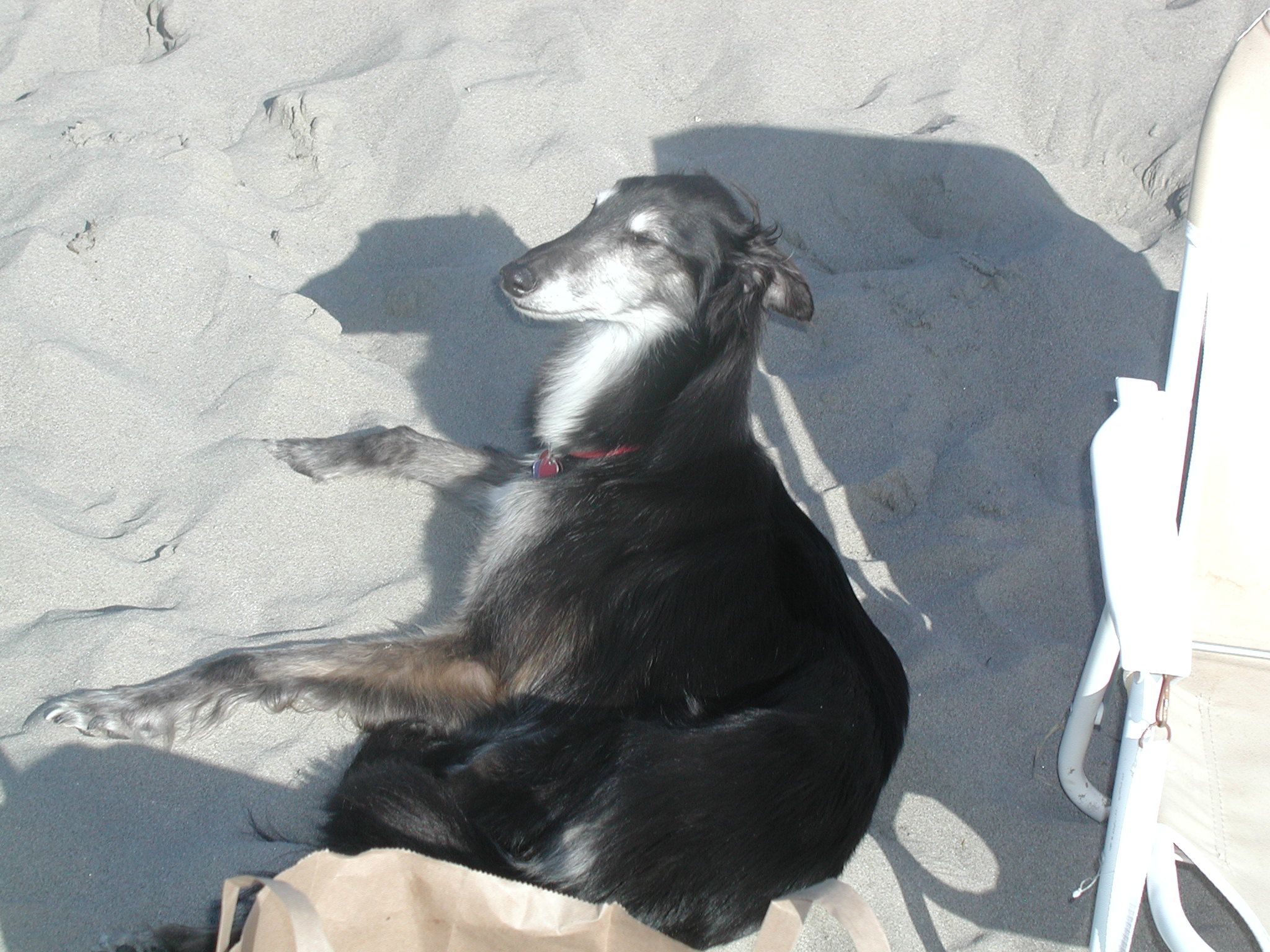
Relaxing in the Sand
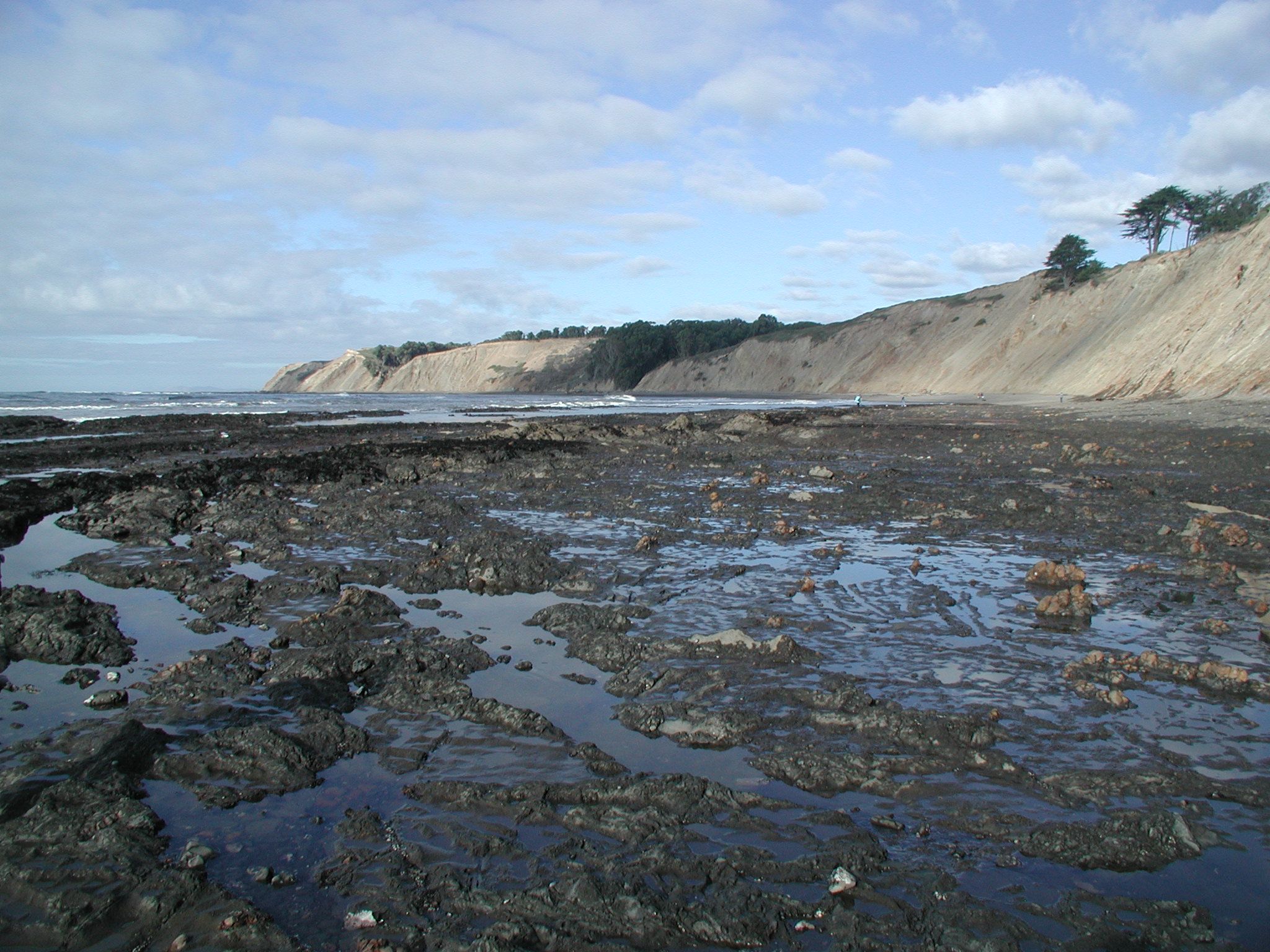
Duxbury Reef Tidepools
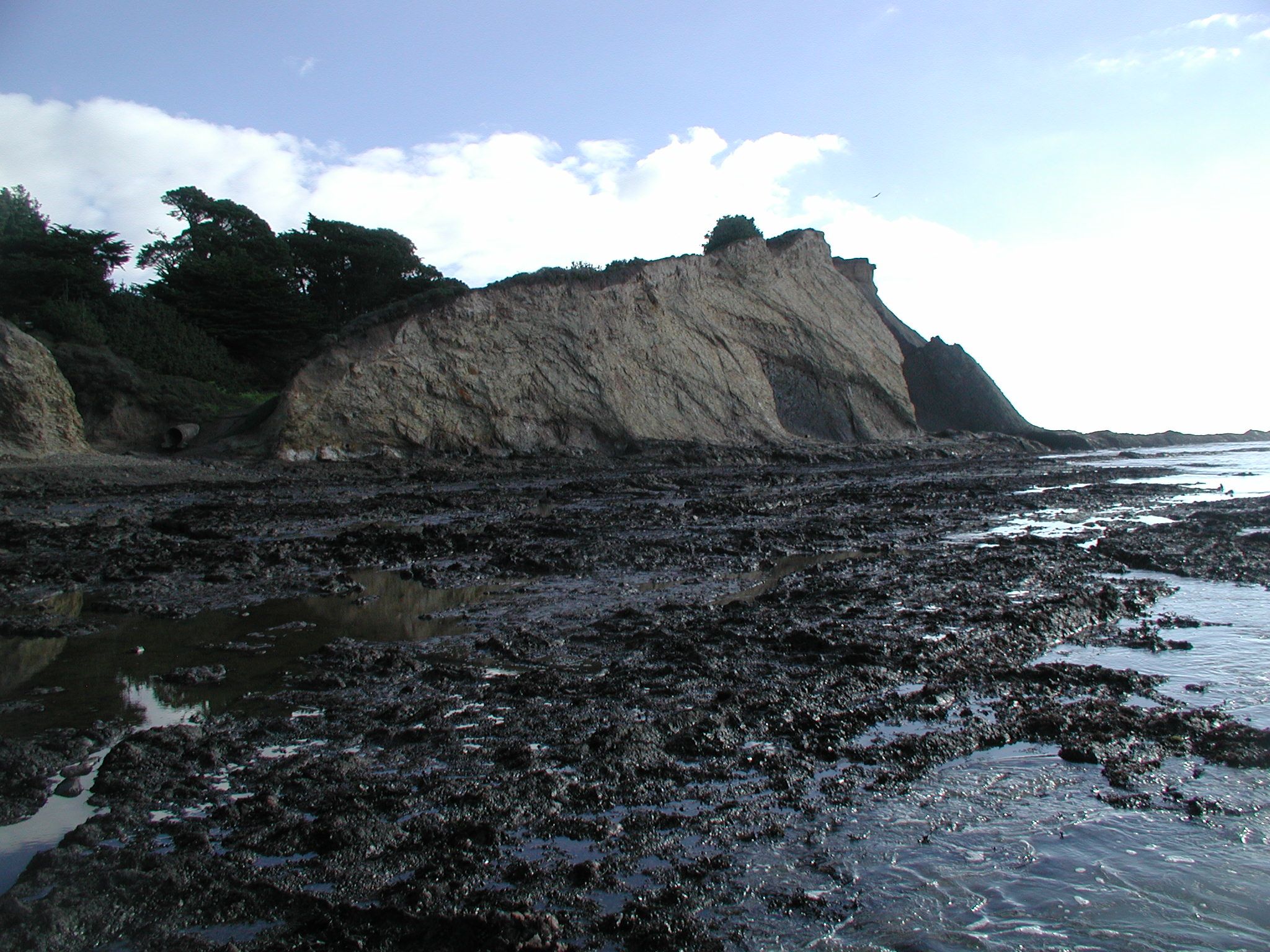
Duxbury Reef Tidepools
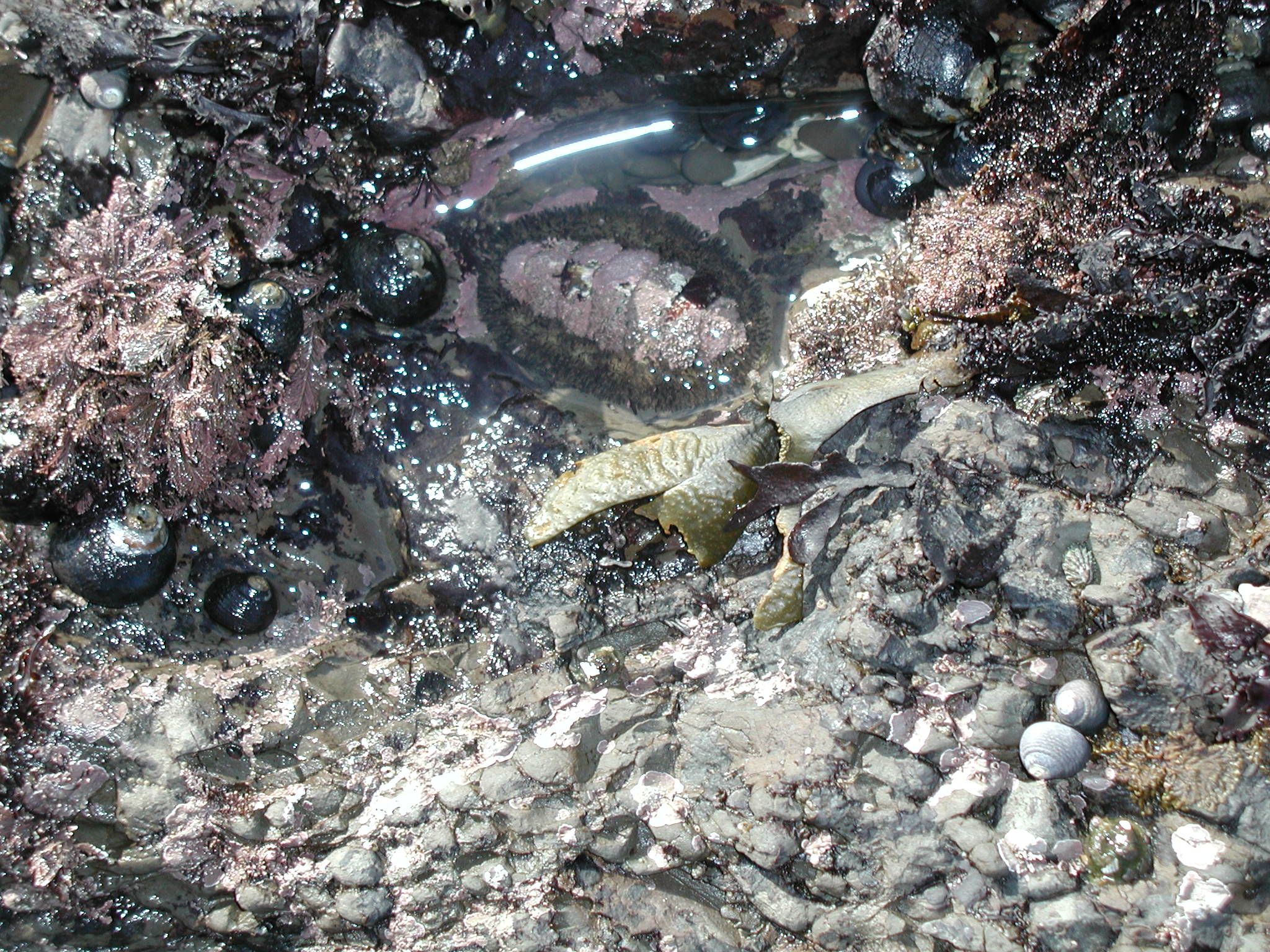
Duxbury Reef Tidepools
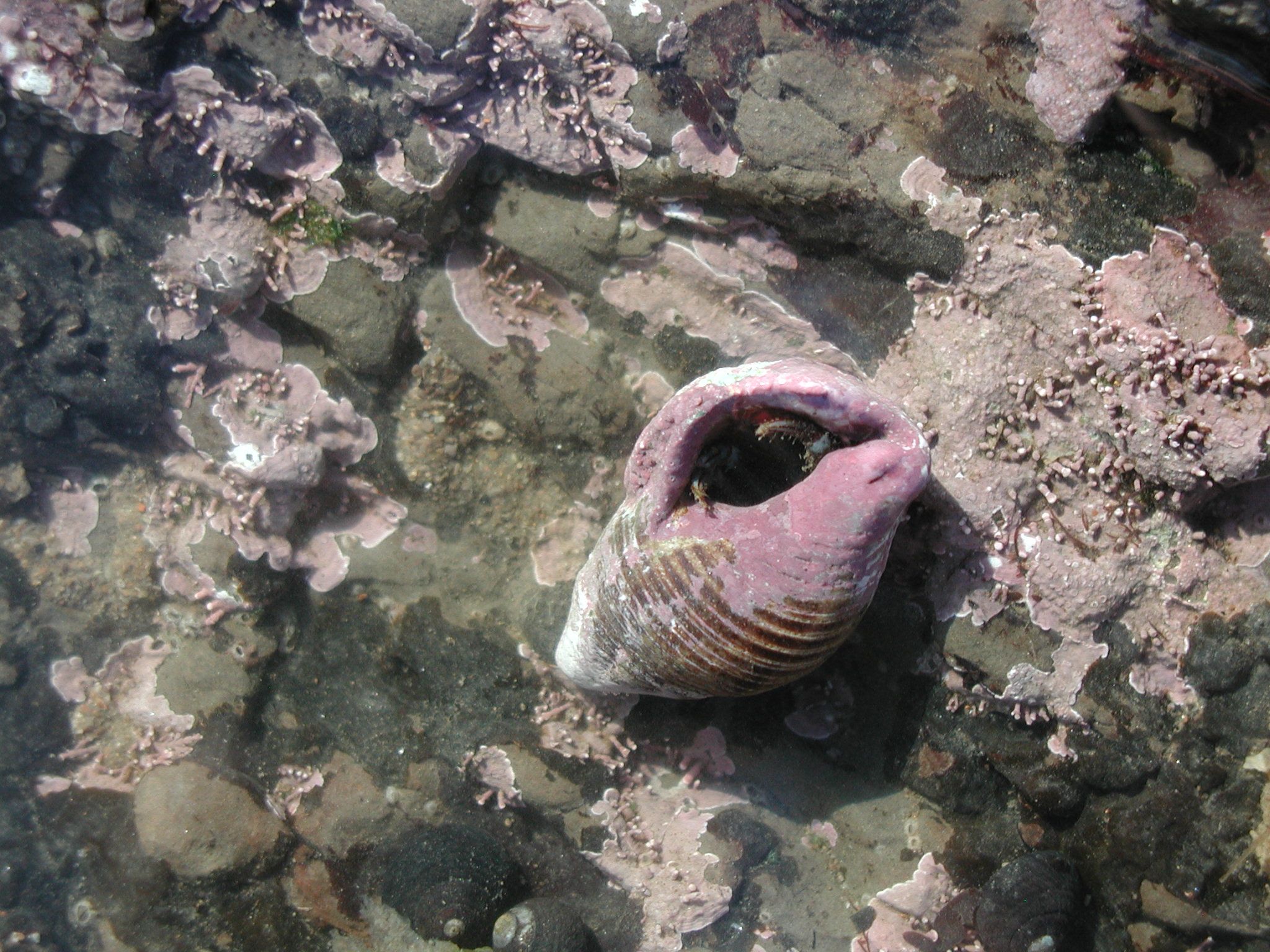
Duxbury Reef Tidepools

Duxbury Reef Tidepools

Duxbury Reef Tidepools
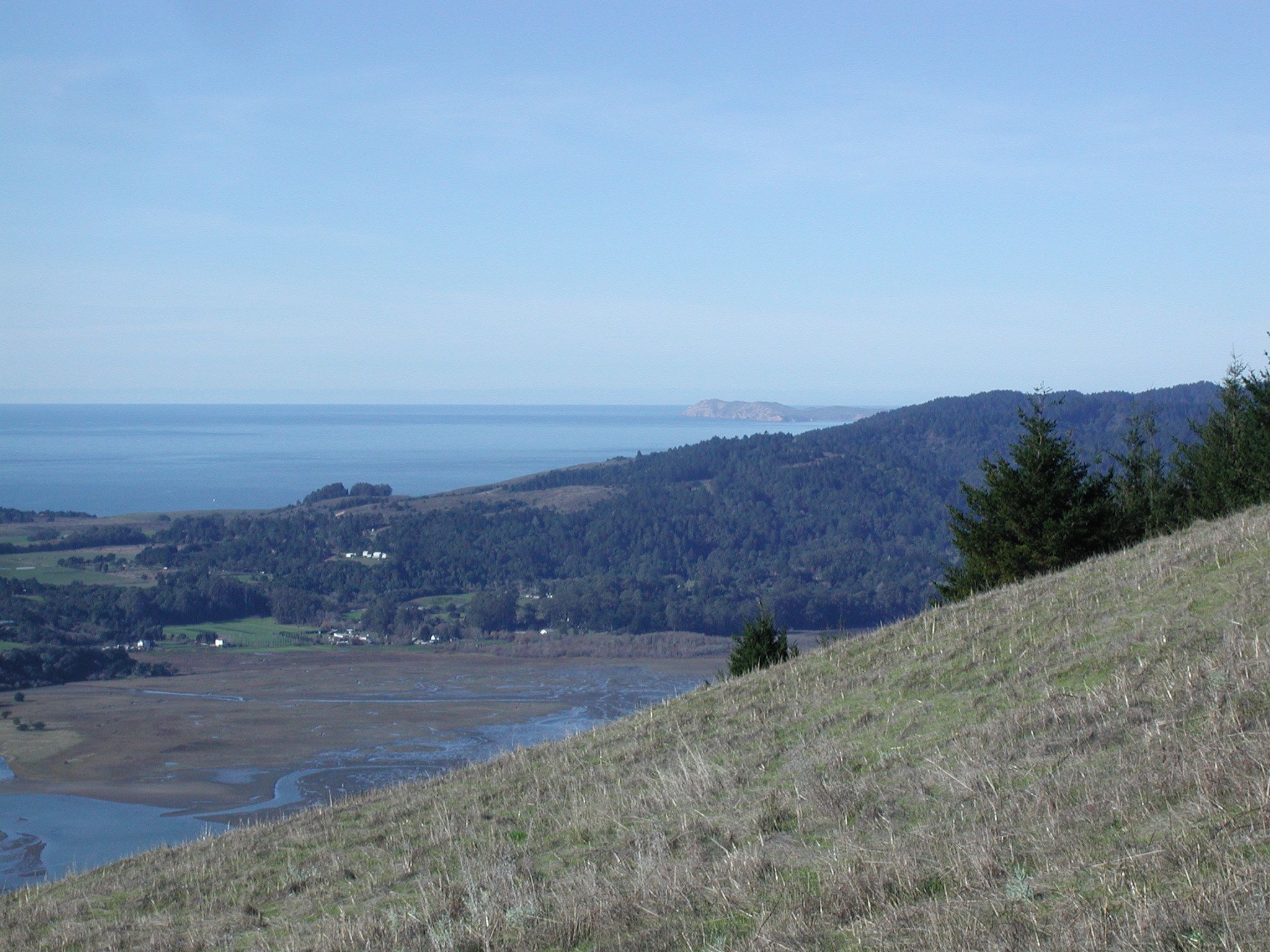
Mt Tam above Stinson beach lagoon

Duxbury Reef Trail head
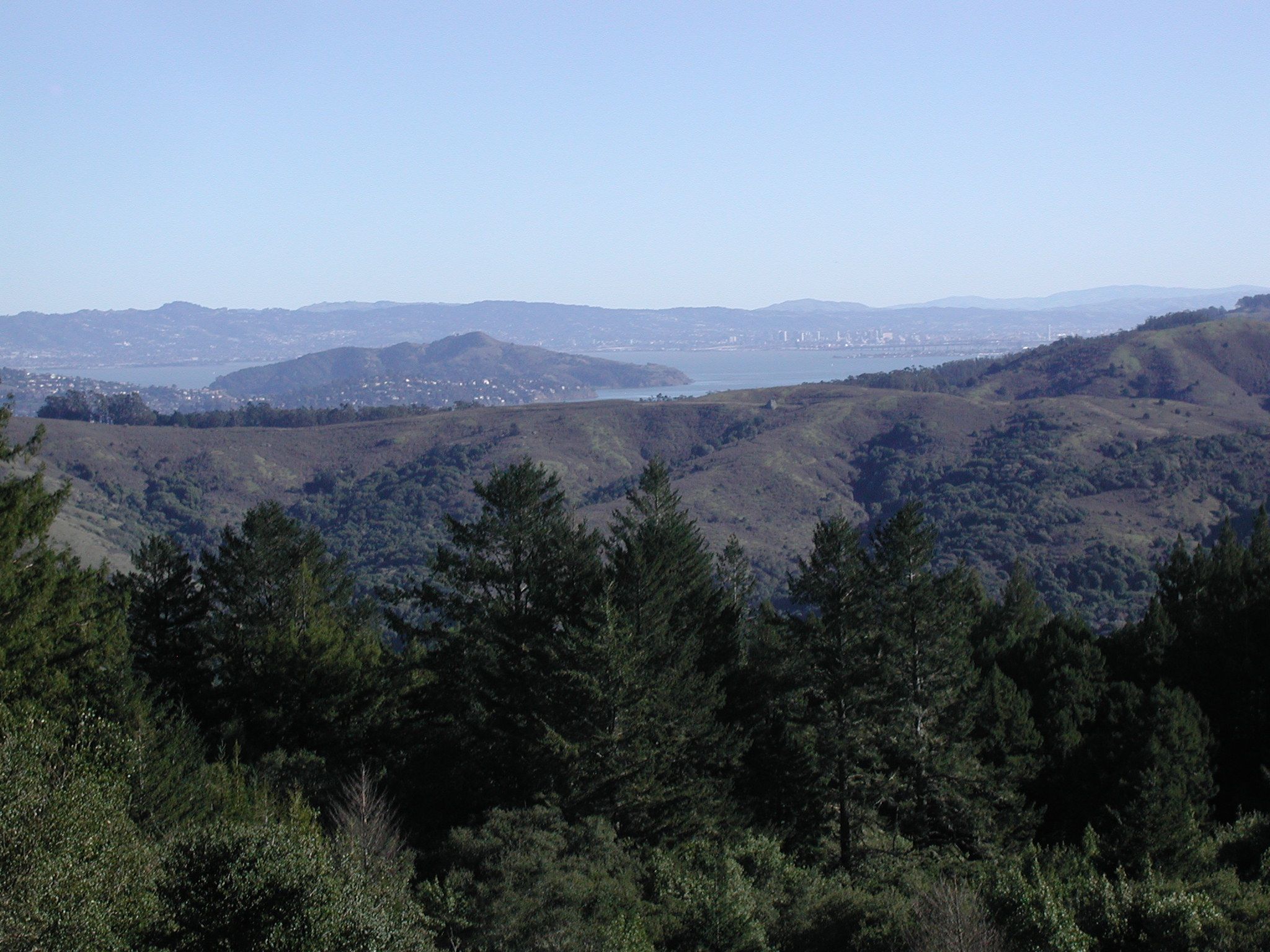
Bay Area from Mt Tam Coast View Trail
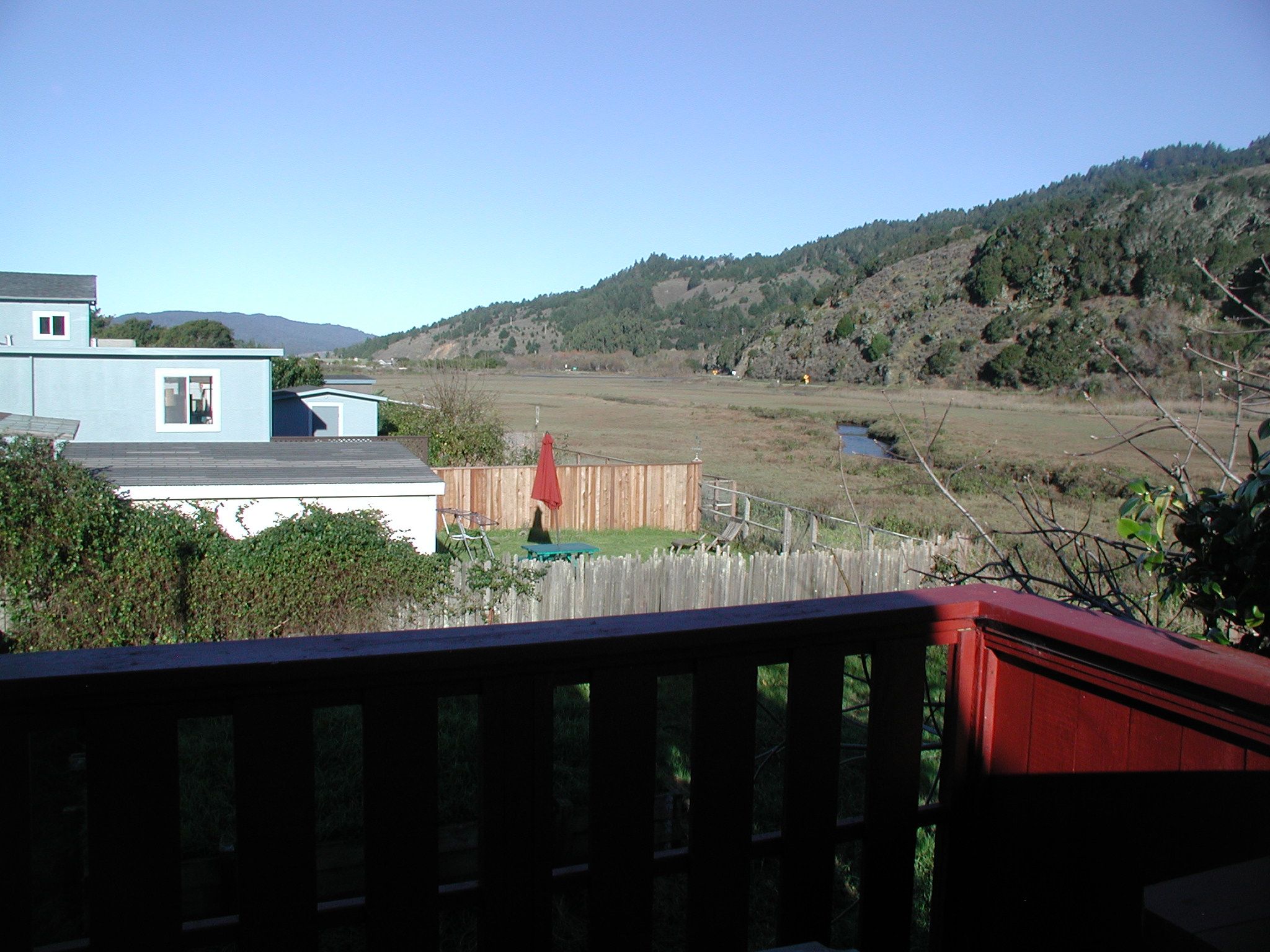
San Andreas Fault along the Estuary behind Stinston Beach
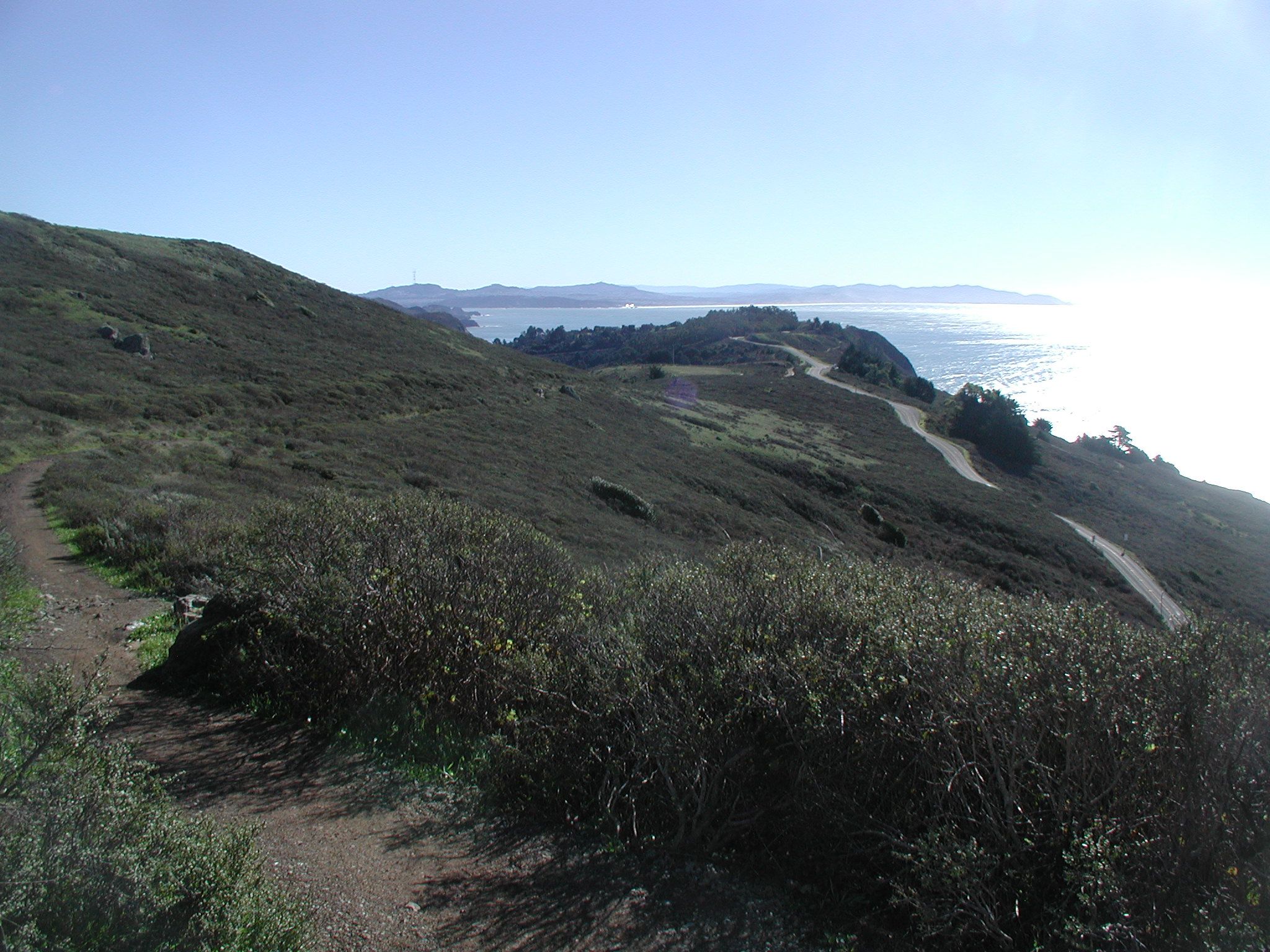
Coast View Trail, Mt Tam
Filed under Oware Backpacking Gear
Some of nylon’s stretch can be mitigated by how the fabric pieces are cut out. Curves etc. in seams and hems can help maintain shape. I far as I know, nylon is still the fabric of choice for shock absorption (parachutes, ropes) and does a good job for shelters suddenly loaded by wind or snow.
It does sag a bit at times from temperature drops or moisture. In something like a pyramid tarp, having a method for adjusting the pole upward to take up slack from within the shelter is nice. If your tarp pole is not adjustable, this could be as simple as having a stone handy to place underneath the pole. If you use outside shear poles, reaching under the hem and pulling the two pole bottoms inward can do the same.

Two wooden poles can be lasted to hold the tarp up from outside.
Be sure in any case or fabric type you stake out the hem in the right shape. On a symmetrical 4 sided mid, a diamond shape instead of a perfect square will produce saggy walls with any fabric. Floored shelters are easier to get the stake out pattern correct. On a floorless shelter you could tie tiny cords corner to corner to insure proper and repeatable layouts.
Before snow machines, the internet and global warming. One chapter for each month of the year,from Peter Freuchen Danish explorer, author, journalist and anthropologist. A remarkable man, he wrote several books.
“A famous Arctic explorer and an eminent Danish ornithologist have collaborated to produce a most unusual month-by-month account of how life goes on in the Far North. By tracing the exquisitely adjusted, intergrated relationships that hold climate and currents and living creatures, permafrost and plants, in balance, the authors have documented the great design of arctic ecology and shown how profoundly it is tied to the rest of the world.”
http://www.goodreads.com/book/show/6353917-the-arctic-year
“In 1910, Knud Rasmussen and Peter Freuchen established the Thule Trading Station at Cape York (Uummannaq), Greenland, as a trading base. The name Thule was chosen because it was the most northerly trading post in the world, literally the “Ultima Thule“.[6] Thule Trading Station became the home base for a series of seven expeditions, known as the Thule Expeditions, between 1912 and 1933.
The First Thule Expedition (1912, Rasmussen and Freuchen) aimed to test Robert Peary‘s claim that a channel divided Peary Land from Greenland. They proved this was not the case in a remarkable 1,000 km (620 mi) journey across the inland ice that almost killed them.[7] Clements Markham, president of the Royal Geographical Society, called the journey the “finest ever performed by dogs.”[8] Freuchen wrote personal accounts of this journey (and others) in ‘Vagrant Viking’ (1953) and ‘I Sailed with Rasmussen’ (1958). He states in ‘Vagrant Viking’ that only one other dogsled trip across Greenland was ever successful.”
http://en.wikipedia.org/wiki/Peter_Freuchen
Filed under Good Links, Tips for the Backcountry
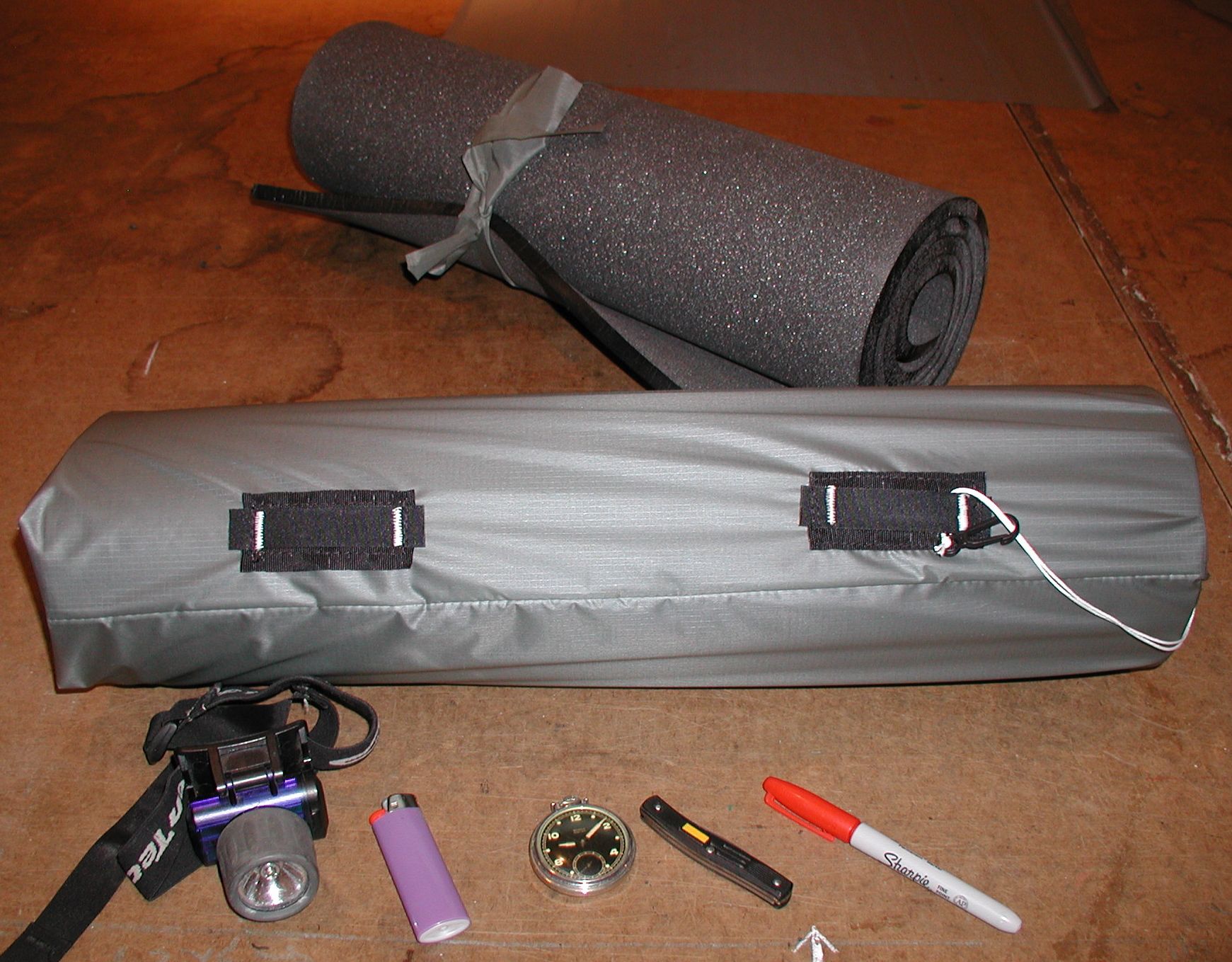
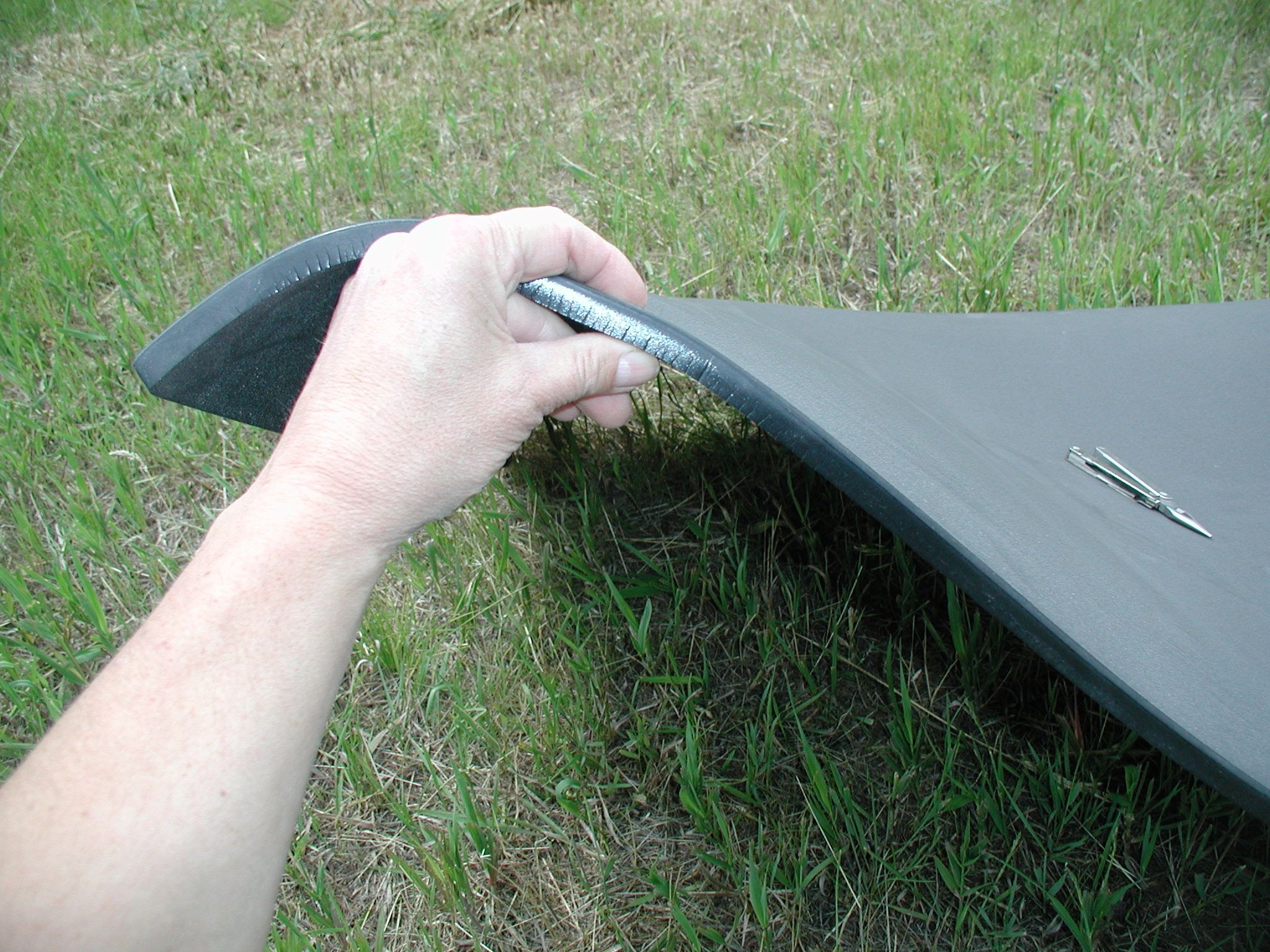
Plastazote Foam
Winter Thickness of 1/2″ (1.3mm)
Dark Grey
Closed Cell Foam Waterproof to a Hydrostatic Head of 3500 mm.
Will not go flat if punctured.
One of the lightest options for your PCT thru hike.
Add it to your summer pad for a winter trip.
R value of 2.
Without dimples or ridges that collect snow in your snow shelter or rain under your tarp and soak your sleeping bag.
Stuffsack (with strap loop for outside carry on your pack or on top of your bike panniers) available on some sizes. Drawstring has keeper mitten hook for outside carry of pad on pack. Stuffsack weight 1 oz.
Use the double wide in hammocks, for two people, or trim and layer for one person to extra width or cushioning.
Three sizes from two person width to torso size.
Torso size 20x40x1/2″ –weight 5 ounces
One person size 20x60x1/2″ –weight 7.5 ounces
Two person size 40x60x1/2″ –weight 15 ounces
Available in the USA only due to shipping costs on bulky items.
Free Shipping in the USA.
http://shop.bivysack.com/Foam-1-2-Thick-130mm-Sleeping-Pads-1FoamWinter.htm



 Oware
Oware