

At a load of over 55 lbs, Hem with tie out no reinforcement patch
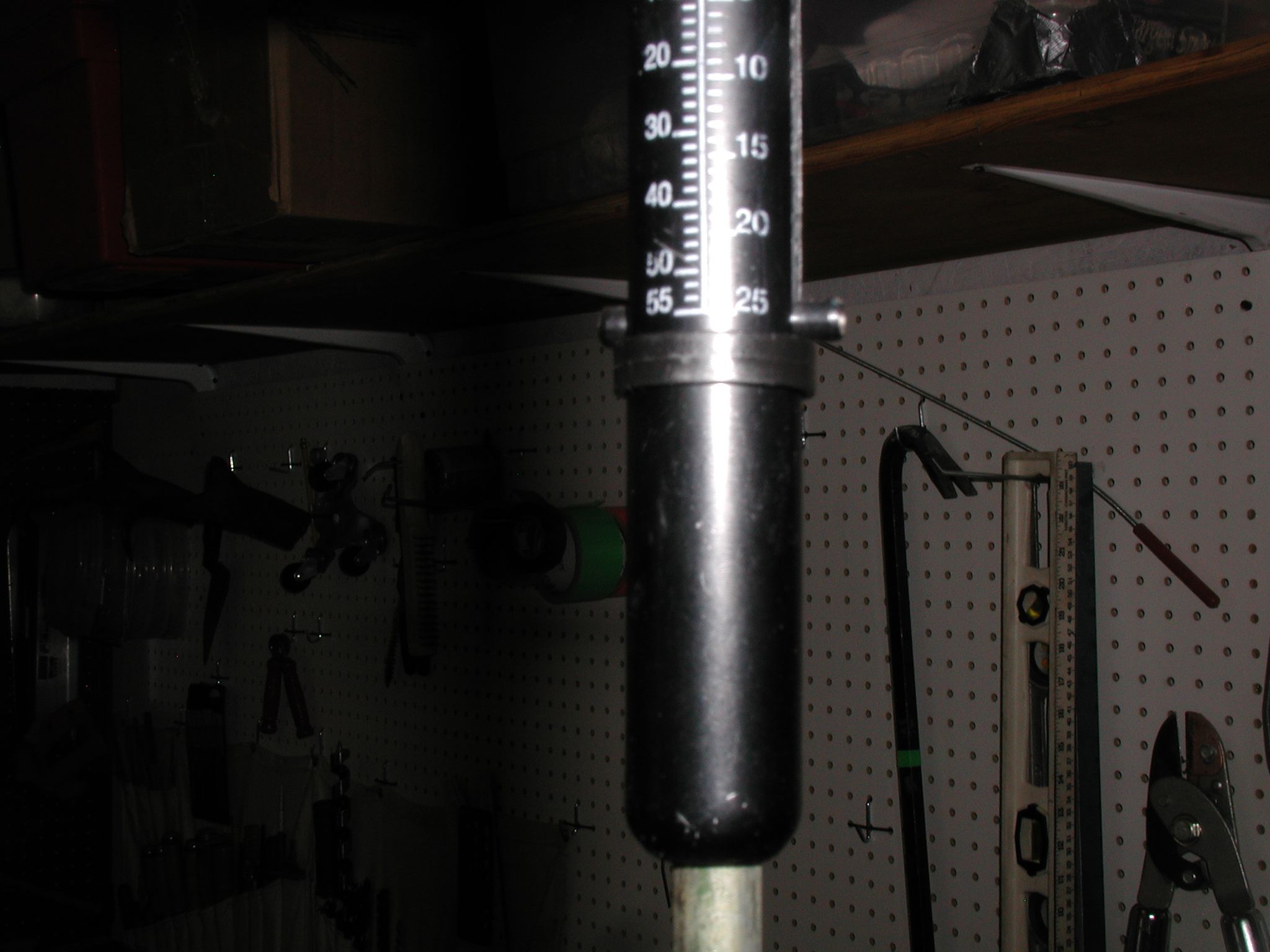
55 lbs
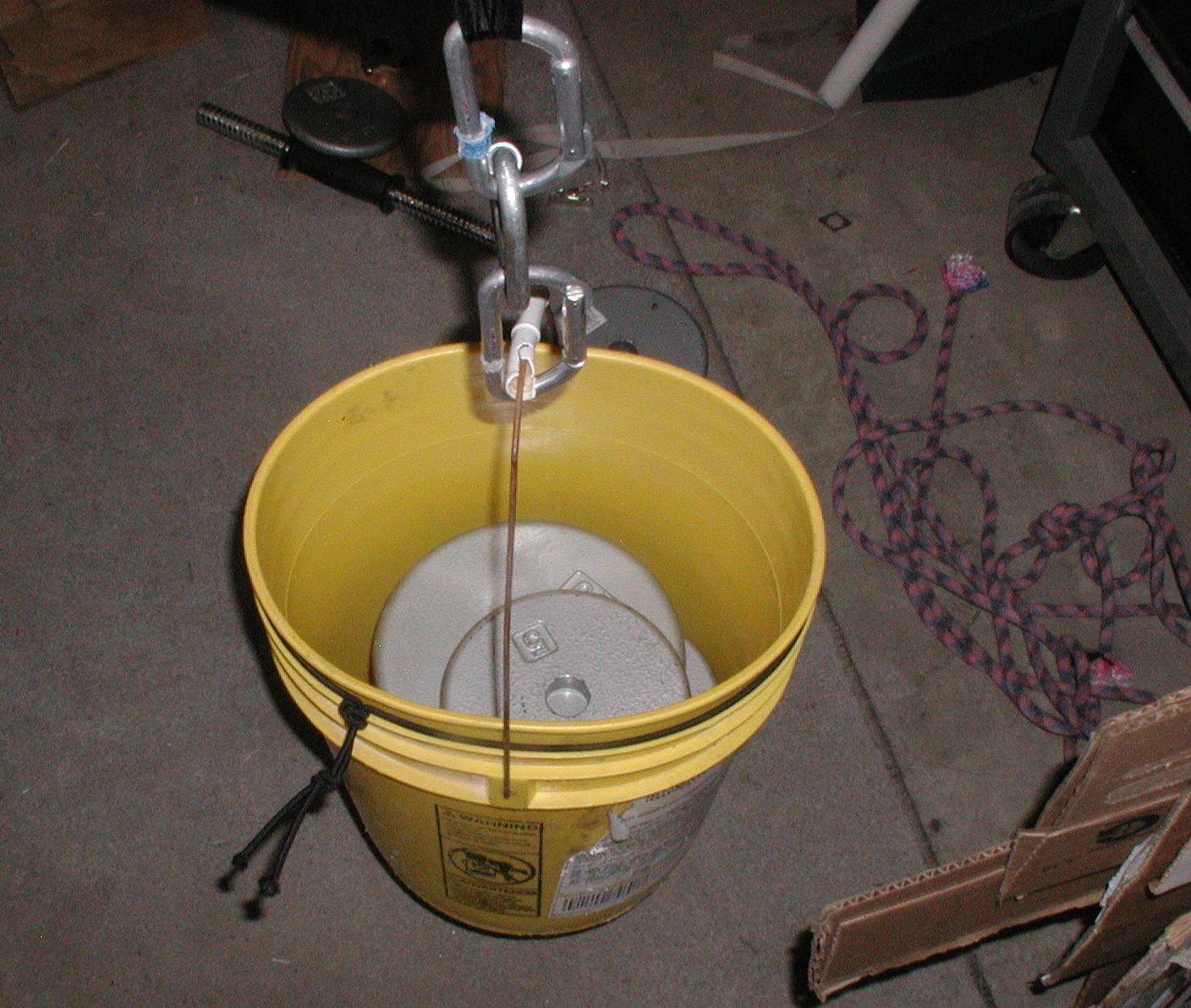
Bucket of weight
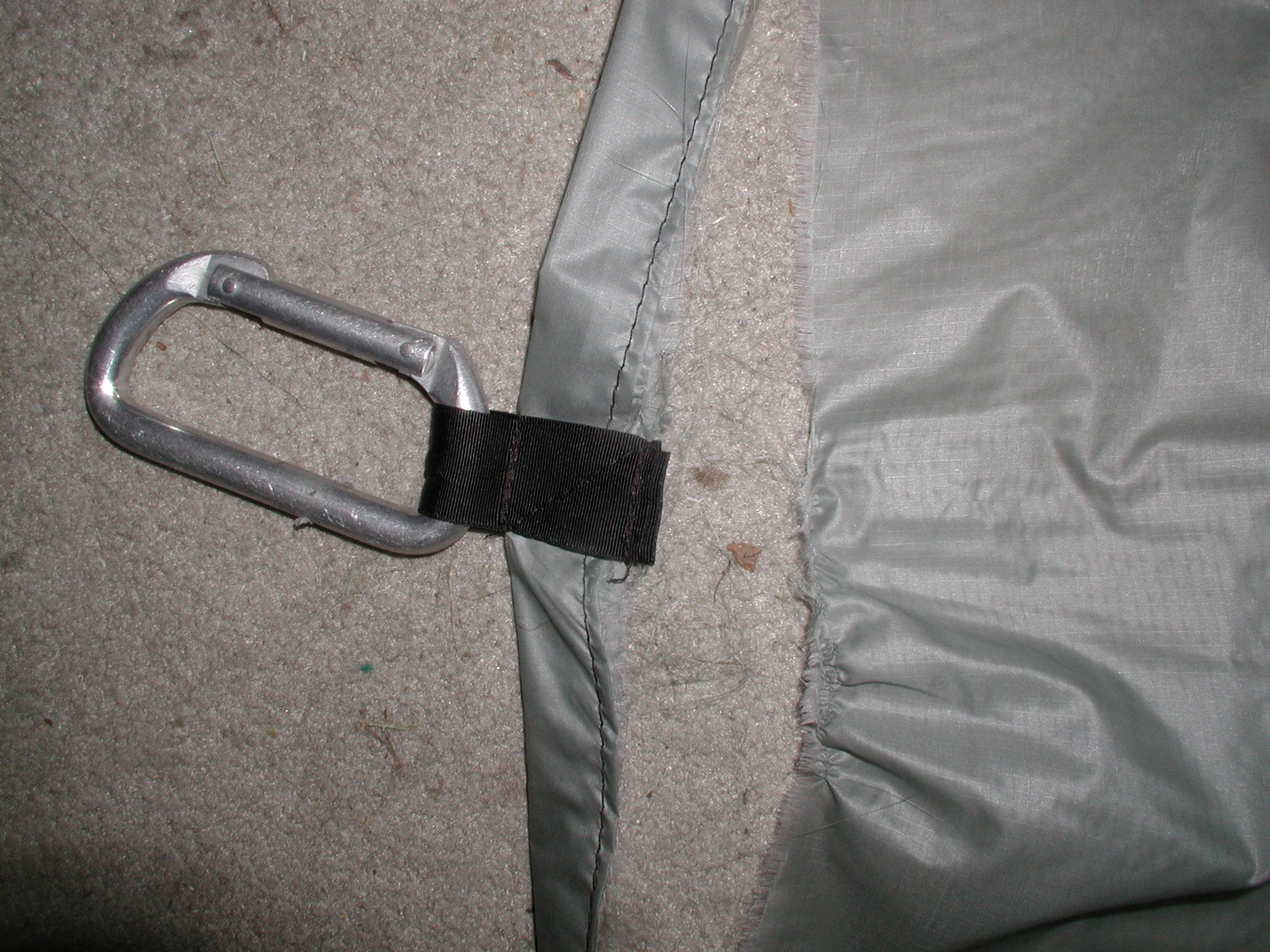
Failure at 72 lbs
At a load of over 55 lbs, Hem with tie out no reinforcement patch
55 lbs
Bucket of weight
Failure at 72 lbs
Filed under Do It Yourself, Oware Backpacking Gear
A simple coiling method to keep cord untangled until you need them. I learned this at Outward Bound. Firm Cord works best. I like to use 2mm cord on the most used tie outs and carry a bit of 1mm cord for long reaches to distant anchors.

Starting at the bitter end, coil around hand leaving a foot or two between the hand and tarp attachment point.
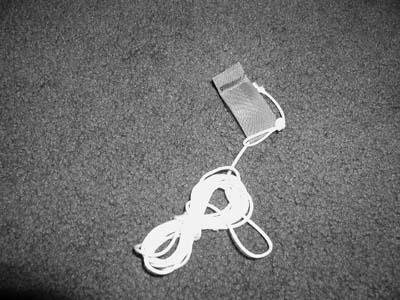
Wrap the remaining cord tightly around the first coil and then pass a loop, close to the tarp attach point, through one end of the now figure eight shape of the coil.

Loop this over the other end of the figure eight and pull. Reverse process when you need to use the cord to tie up your tarp/tent.
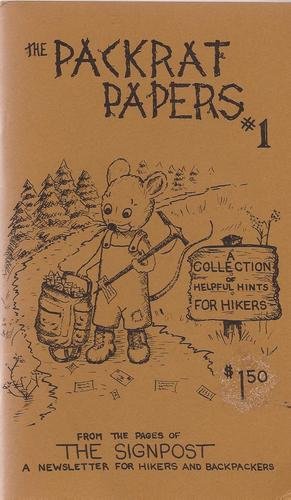
From 1972, collection of backpacking advice.
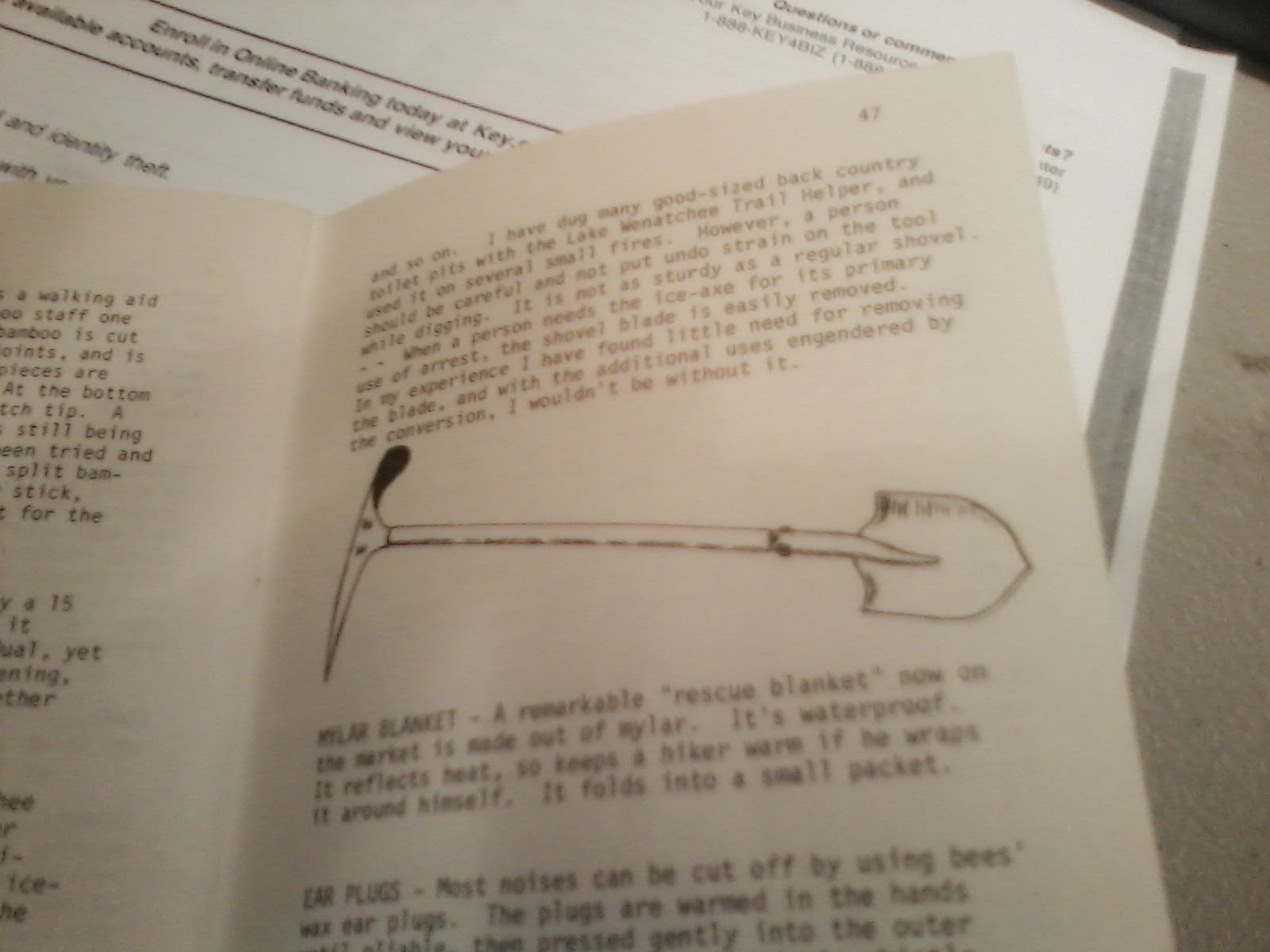
A photo from the book of “The Lake Wenatchee Trail Helper”
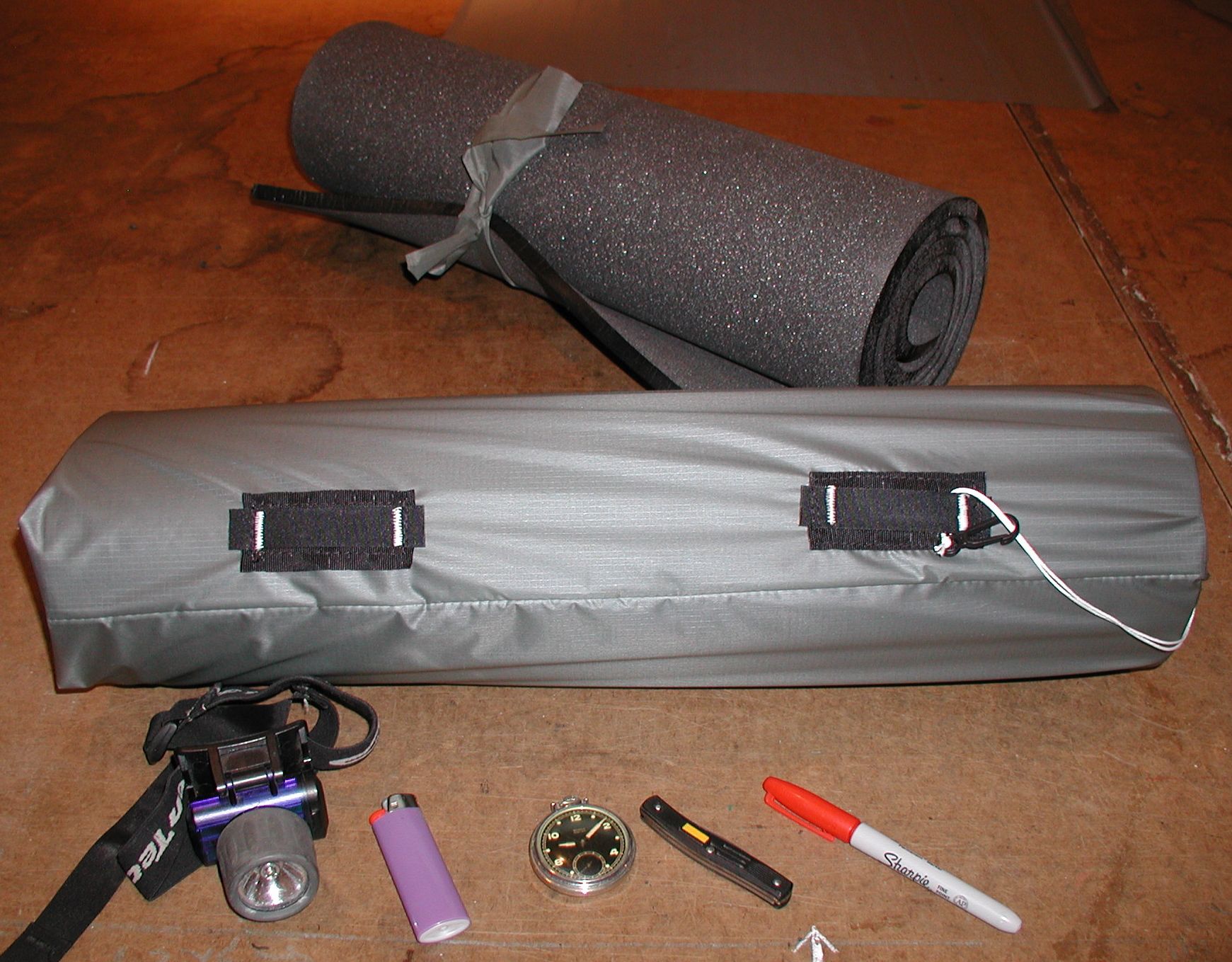
Plastazote Foam
Winter Thickness of 1/2″ (1.3mm)
Dark Grey
Closed Cell Foam Waterproof to a Hydrostatic Head of 3500 mm.
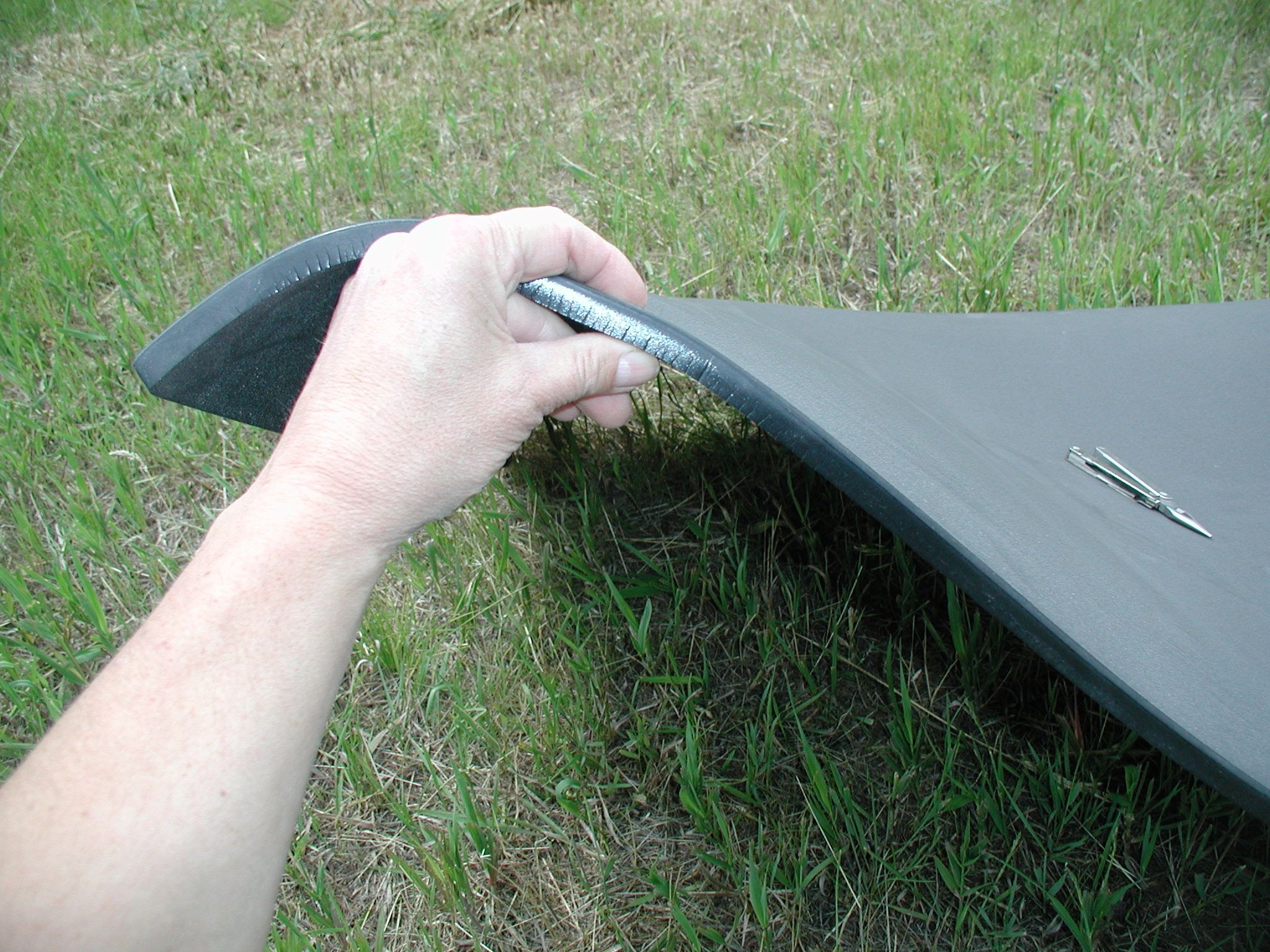
Will not go flat if punctured.
One of the lightest options for your PCT thru hike.
Add it to your summer pad for a winter trip.
R value of 2.
Without dimples or ridges that collect snow in your snow shelter or rain under your tarp and soak your sleeping bag.
Stuffsack (with strap loop for outside carry on your pack or on top of your bike panniers) available on some sizes. Drawstring has keeper mitten hook for outside carry of pad on pack. Stuffsack weight 1 oz.
Use the double wide in hammocks, for two people, or trim and layer for one person to extra width or cushioning.
Three sizes from two person width to torso size.
Torso size 20x40x1/2″ –weight 5 ounces
One person size 20x60x1/2″ –weight 7.5 ounces
Two person size 40x60x1/2″ –weight 15 ounces
Available in the USA only due to shipping costs on bulky items.
Free Shipping in the USA.
http://shop.bivysack.com/Foam-1-2-Thick-130mm-Sleeping-Pads-1FoamWinter.htm

On many Outward Bound courses, toilet paper was left at home and local natural items substituted to cut down on backcountry environmental impact. In some desert environs, where the most popular substitutes of snow or vegetation weren’t available, toilet paper was carried and then burned or carried out. It should be obvious (but unfortunately not to all) that burning toilet paper is a great hazard in forest fire conditions, so carrying it out was then prefered.
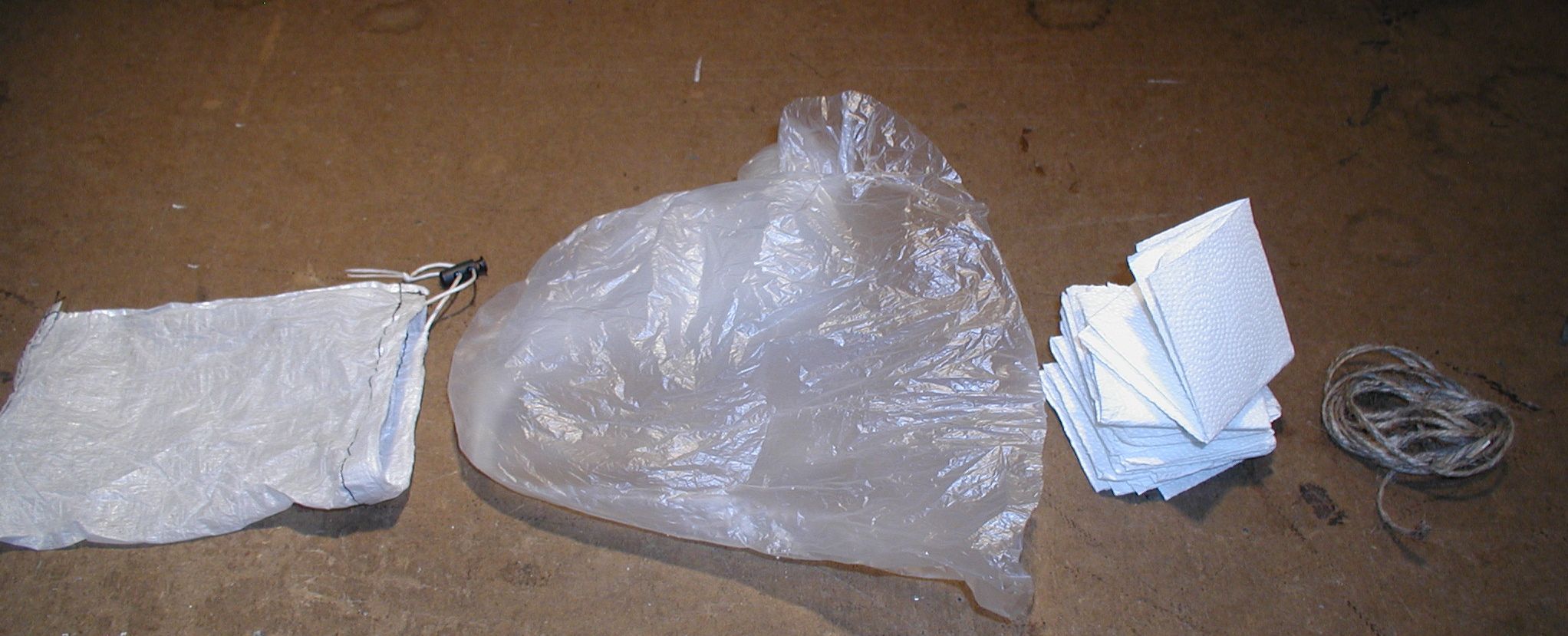
In some damper times and places, burning works well. Here is what I like to bring (in addition to using snow and other substitutes). Weighs 23 grams and is enough for 2 weeks.
Tiny cuben fiber stuffsack lined with thin plastic for water tightness.
14 half sheets of paper towel (more durable than tp and burns readily)
7 feet of jute cord
I cut a 6″ section of the jute cord and fuzz it up and use it to catch a spark from a mish metal flint which then catches the paper towel and with care will burn the whole thing to ash.
I bought 4 MSR ground hog stakes for my family to use with a pyramid tarp.
This is a quick simple case you can make to protect the rest of your gear from the stake points.
No drawcord, just a bit of cordura with an opening partly down one side. With 50 feet of light nylon or polyester cord to tie around rocks, logs and trees, I have what I need to anchor the tent in heavy weather.


Filed under Do It Yourself, pyramid tarp, Tips for the Backcountry
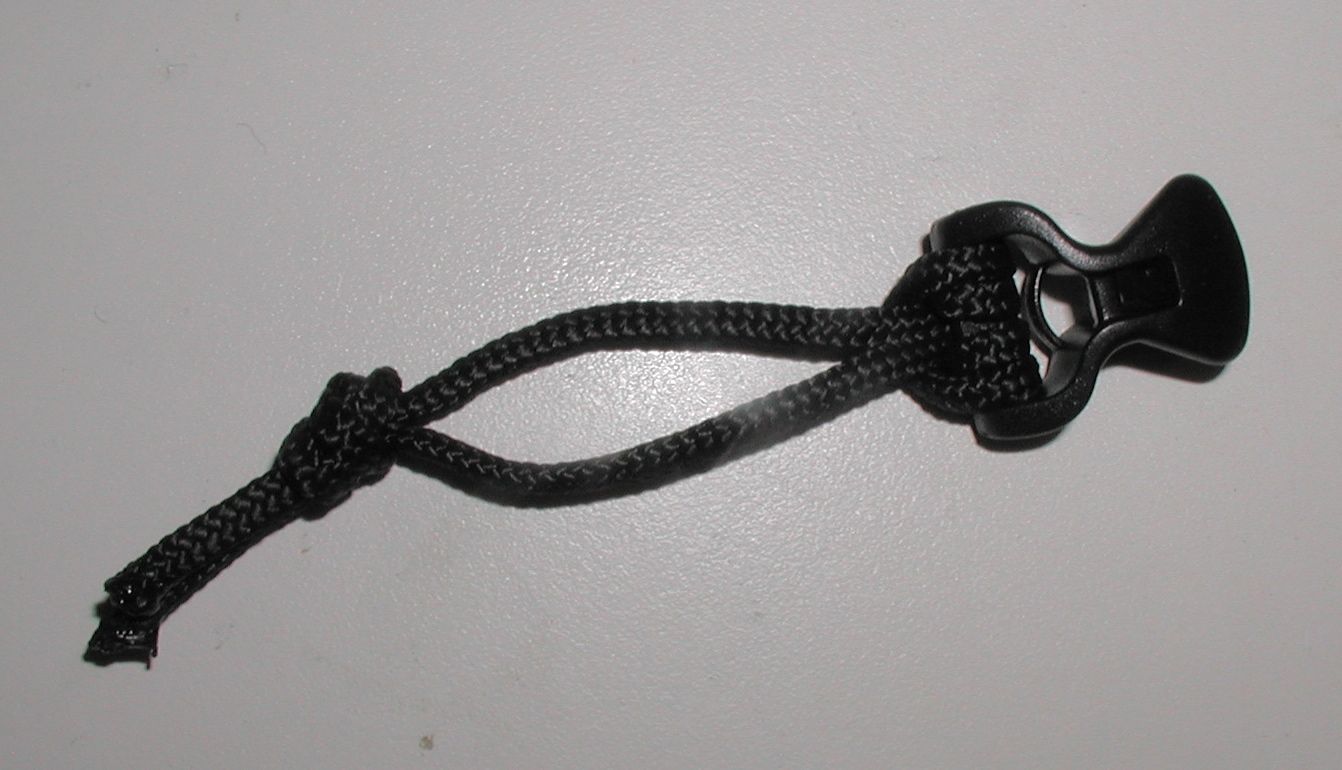
Use a 12″ or longer piece of 2-3 mm cord. Use a 2 wrap prussic knot on the Line Lock. Form a loop in the cord.

Girth hitch (Larks Foot) the loop around the tarp or tent tie out.
Buy linelocs here
http://shop.bivysack.com/product.sc?productId=88&categoryId=10
A sump screen can be a lightweight help in reducing your environmental impact
on the wild places you love. By straining the food particles from your dishwater,
you dissuade animals from digging up the soil where your dishwater is drained,
and help keep them wild and unaccustomed to humans. This is especially important
on popular trails and camping areas. Help keep the chipmunks, marmots, jays, raccoons, skunks, coyotes, deer, and bear safe and out of other users gear.
I like a square panel of noseeum netting leftover from tents and bivysack manufacture.
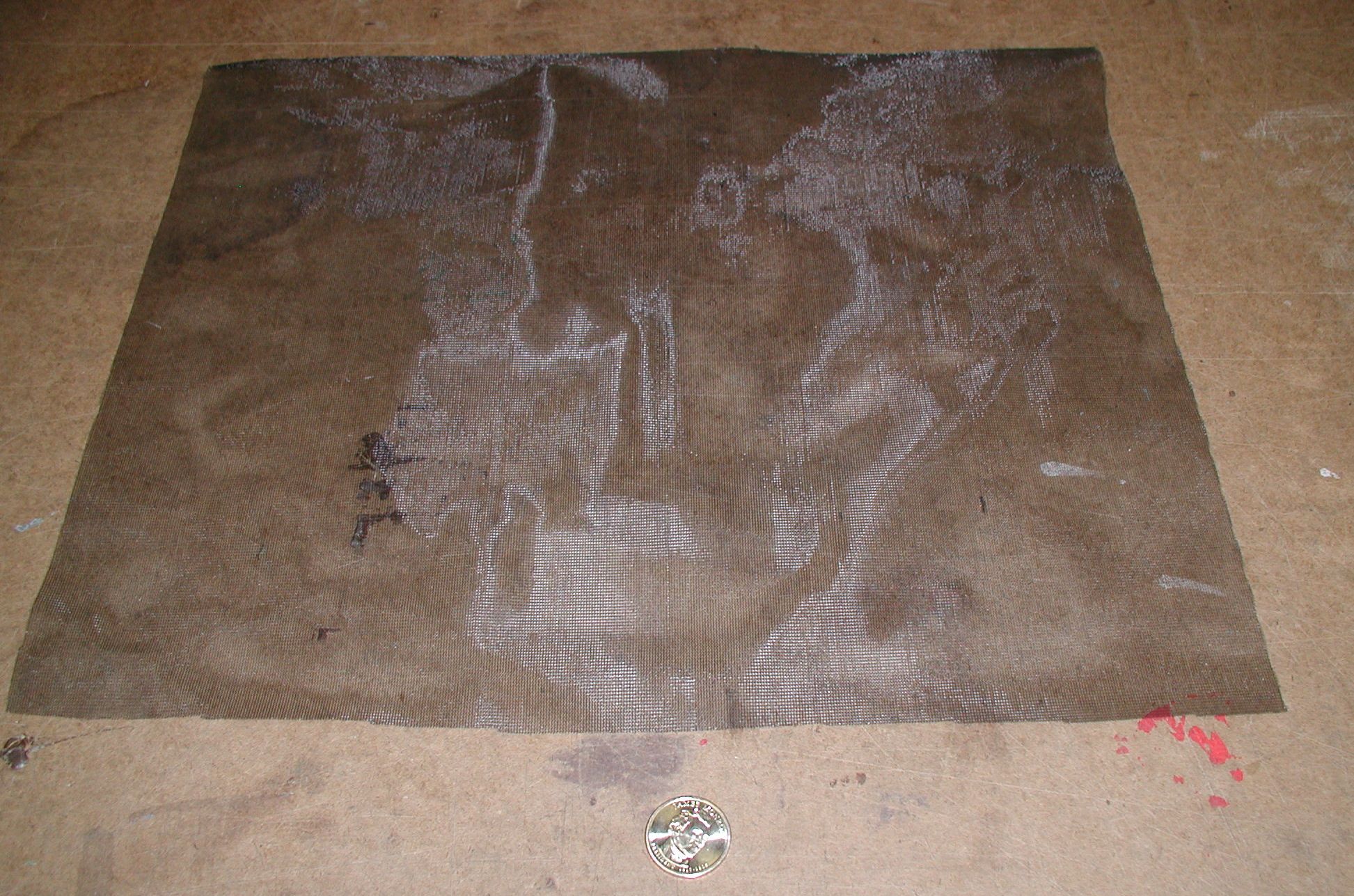
Sump screen of noseeum netting
I will send a piece with each order from Oware if you will note you want one in the comment
section of the order.
Questions?
509-685-0125
do@owareusa.com
Filed under Do It Yourself, Fabric, Tips for the Backcountry

 Oware
Oware 